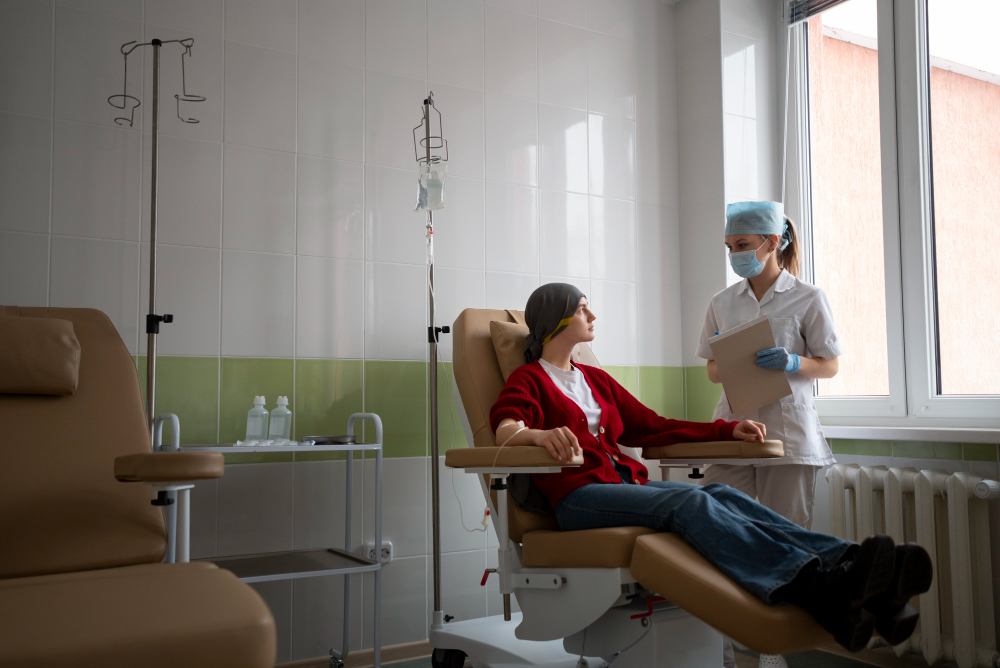
What Tests Are Done to Detect Cancer?
What Tests Are Done to Detect Cancer? Hearing the words “you need to get tested for cancer” can make even a routine medical appointment feel suddenly serious. You may start wondering what the tests involve, whether they will be painful, how many tests you will need, and perhaps most importantly, whether an abnormal result automatically means cancer. It does not. Many symptoms and abnormal test results can have causes that are not cancer, which is why doctors usually use a combination of information and tests before reaching a diagnosis. So, what tests are done to detect cancer? There is no single test that can detect every type of cancer. Depending on your symptoms, medical history and the part of the body being investigated, your doctor may recommend a physical examination, blood or urine tests, imaging scans, an endoscopy, a biopsy or more specialised laboratory tests. A biopsy is often needed to confirm that abnormal cells are cancerous and to determine the type of cancer. For someone looking into Cancer Treatment in Bangalore, knowing how the diagnostic process works can make the first consultation less overwhelming. You will also understand why your doctor may recommend several tests instead of immediately jumping to a treatment plan. The most important thing to remember is that getting a test does not mean you have cancer. It simply means your doctor wants more information. The right test depends on the situation, and understanding why each test is being recommended can help you approach the process with greater clarity. What Happens Before Cancer Tests Are Recommended? Cancer diagnosis usually begins with a conversation, not a scan. Your doctor first needs to understand what is happening with your body and why further investigation may be necessary. 1. Your symptoms are discussed You may be asked about symptoms such as unexplained weight loss, persistent pain, unusual bleeding, a lump, changes in bowel or bladder habits, a persistent cough or changes in the skin. Having these symptoms does not automatically mean cancer, but persistent or unexplained symptoms may need evaluation. 2. Your medical history is reviewed Your doctor may ask about previous illnesses, medications, previous procedures and other health conditions. This information can help determine which tests are appropriate. 3. Your family history may be considered Certain cancers can run in families. Your doctor may ask whether close relatives have had cancer and, if so, what type and at what age. 4. A physical examination may be performed Depending on your symptoms, the doctor may examine areas such as your abdomen, lymph nodes, skin, breasts or other parts of your body. 5. Previous reports may be reviewed If you have already undergone blood tests, scans or other investigations, take those reports with you. Your doctor may be able to identify patterns or decide whether additional testing is needed. 6. Your risk factors may be discussed Age, smoking, alcohol use, occupational exposures, previous medical conditions and other factors may influence which cancers a doctor considers. This initial evaluation helps doctors decide what to investigate next. It also prevents unnecessary testing when a symptom may have a more common explanation. 8 Common Tests Used to Detect or Diagnose Cancer When people ask what tests are done to detect cancer, they often expect one particular test. In reality, doctors have several diagnostic tools available, and they may use them together. 1. Blood Tests Blood tests are often among the first investigations doctors order. They can provide information about your overall health and may reveal abnormalities that need further investigation. Some common blood tests include: 2. Imaging Tests Imaging tests allow doctors to look inside the body without making a surgical incision. They can help identify an abnormal area, understand its location and assess whether cancer may have spread. 3. Biopsy If there is one test patients should understand when asking what tests are done to detect cancer, it is the biopsy. A biopsy involves removing a sample of cells or tissue from an abnormal area so that a pathologist can examine it. In many cases, this is the test used to confirm whether cancer is present. A biopsy can be performed in different ways depending on where the suspected abnormality is located. Once the tissue reaches the pathology laboratory, it can be examined under a microscope and may undergo additional tests to determine the cancer type and other characteristics. 4. Endoscopy Tests Sometimes doctors need to look directly inside the body rather than relying only on external imaging. This is where endoscopy can be useful. An endoscope is a thin instrument with a light and camera that allows a doctor to examine the inside of certain organs or body passages. It can also allow tissue samples to be collected. Some commonly used endoscopic procedures include: Screening Tests vs Diagnostic Tests This is one distinction that is worth understanding before you start searching what tests are done to detect cancer online. Screening Tests Diagnostic Tests Usually performed in people who do not have symptoms Usually performed when there are symptoms, abnormal screening results, or another reason for concern Aim to find certain cancers early Aim to determine what is causing a symptom or abnormal finding Used for specific cancers where screening has an established role Selected according to the person’s symptoms and clinical situation Examples include mammography, cervical screening, and colorectal cancer screening Examples include biopsy, CT, MRI, ultrasound, blood tests, and endoscopy A positive screening result does not automatically mean cancer Diagnostic testing may be needed to confirm or rule out cancer Screening is not recommended as one universal test for every type of cancer. Established screening programmes exist for certain cancers, and recommendations can vary based on age, risk and other factors. Breast Cancer Screening: Mammography is an established screening test for breast cancer. If a screening mammogram shows an area that needs closer examination, additional imaging or a biopsy may be recommended. Cervical Cancer Screening: HPV testing and Pap testing are used for cervical cancer screening. These tests can
What Tests Are Done to Detect Cancer? Read More »