
What is Esophageal Cancer?
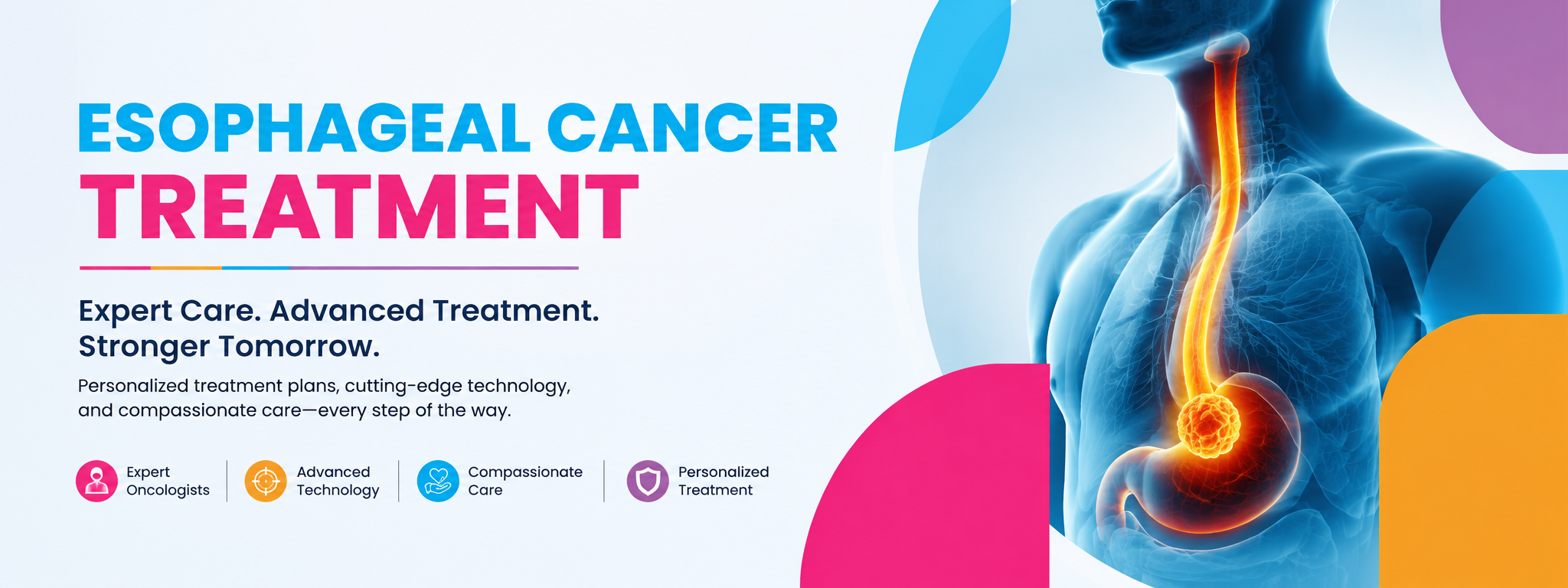
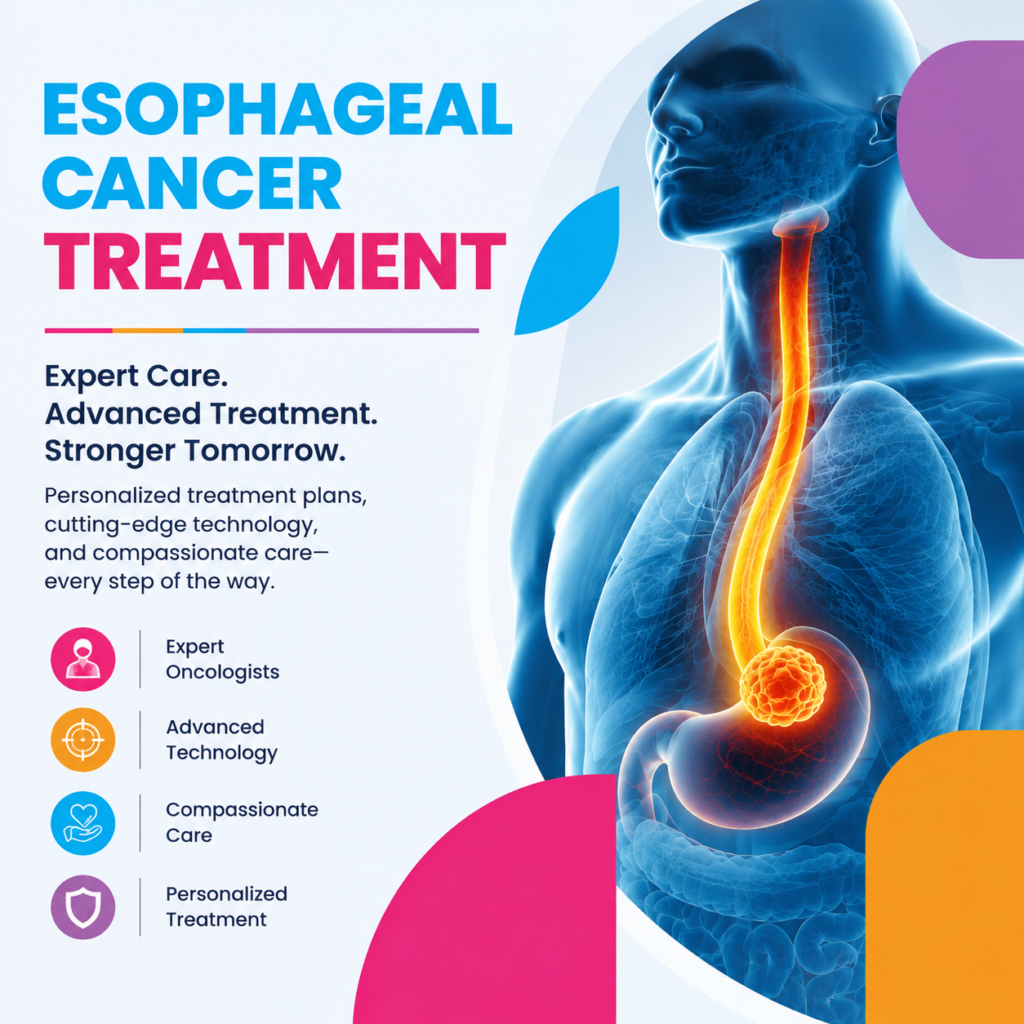
Esophageal cancer is a type of cancer that develops in the esophagus, the muscular tube that carries food and liquids from the throat to the stomach. It usually begins in the inner lining of the esophagus and can grow into deeper layers as the disease progresses. The two main types are squamous cell carcinoma, which develops from the flat cells lining the esophagus, and adenocarcinoma, which begins in glandular cells. Symptoms may not always appear in the early stages, but difficulty swallowing, unexplained weight loss, chest discomfort, persistent cough, or heartburn can occur as the cancer develops.
At Healius, understanding the type, location, and stage of esophageal cancer is an important part of planning treatment. A personalised approach can help determine whether treatment may involve surgery, chemotherapy, radiation therapy, targeted therapy, immunotherapy, or a combination of these. The treatment plan is tailored according to the individual’s condition, overall health, and how far the cancer has progressed.
What Causes Esophageal Cancer?
Esophageal cancer does not usually have one single cause. It develops when cells in the esophagus undergo changes that cause them to grow and divide abnormally. Certain lifestyle habits, medical conditions, and long-term exposures can increase the risk.
- Tobacco Use: Smoking cigarettes, using smokeless tobacco, and other forms of tobacco can damage the cells lining the esophagus. Long-term tobacco exposure is an important risk factor for esophageal cancer.
- Heavy Alcohol Consumption: Drinking large amounts of alcohol regularly can irritate and damage the esophageal lining. The risk can be even higher when heavy alcohol use is combined with tobacco use.
- Chronic Acid Reflux: Long-term gastroesophageal reflux disease (GERD) can repeatedly expose the esophagus to stomach acid. Over time, this may damage the lining and contribute to changes that increase cancer risk.
- Barrett’s Esophagus: Barrett’s esophagus can develop after prolonged acid reflux causes changes in the cells lining the lower esophagus. Although most people with Barrett’s esophagus do not develop cancer, it increases the risk of esophageal adenocarcinoma.
- Obesity: Being overweight or obese can increase the risk of esophageal adenocarcinoma, partly because excess weight can contribute to chronic acid reflux. Maintaining a healthy weight may help reduce this risk.
Who Needs To Go For Esophageal Cancer Treatment?
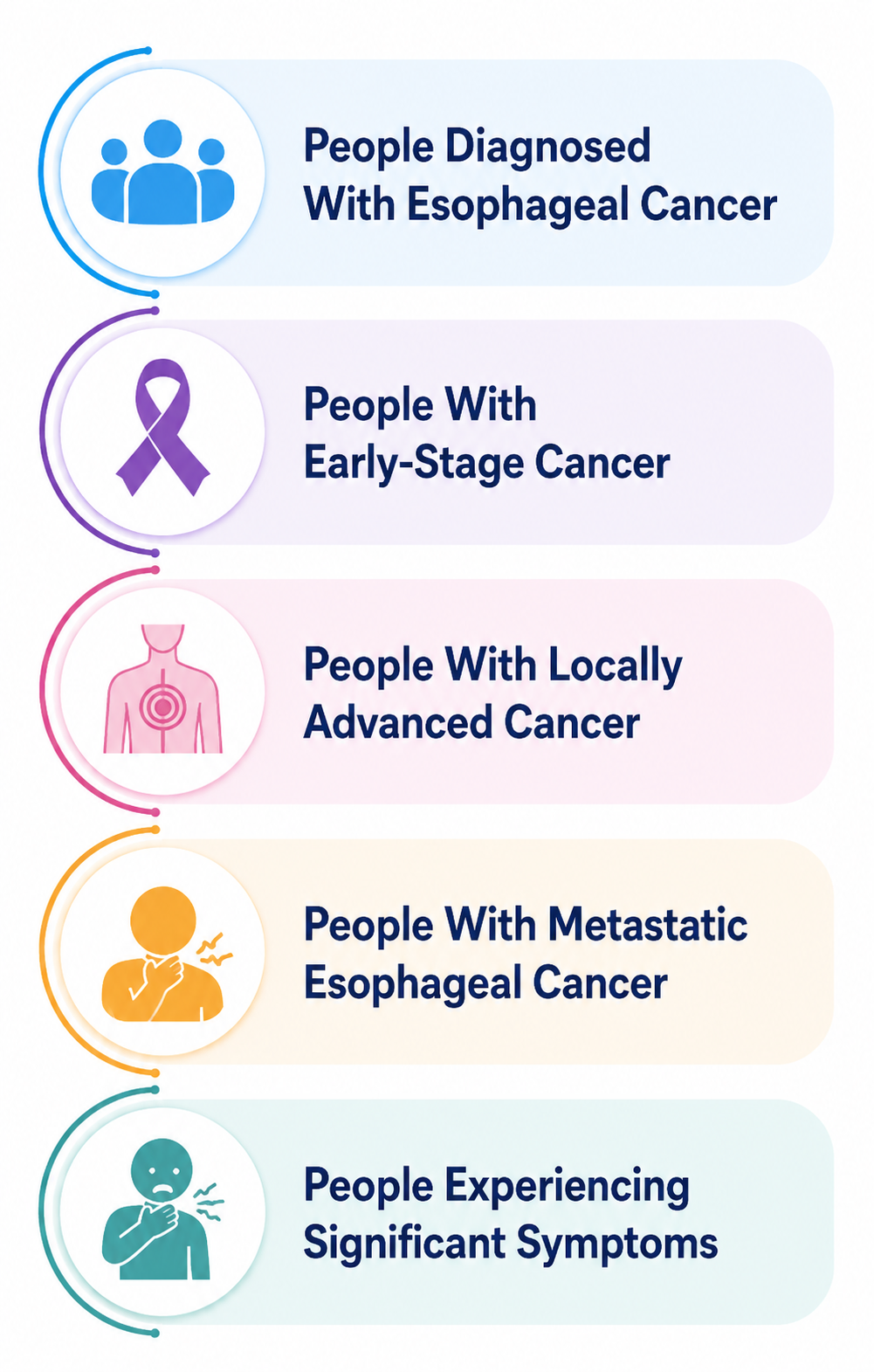
People diagnosed with esophageal cancer need specialist evaluation to determine the most appropriate treatment. The approach depends on the cancer’s type, stage, location, spread, and the patient’s overall health.
- People Diagnosed With Esophageal Cancer: A confirmed diagnosis requires specialist evaluation to determine the right treatment approach.
- People With Early-Stage Cancer: Early treatment may help remove or control cancer before it progresses further.
- People With Locally Advanced Cancer: Treatment may involve a combination of chemotherapy, radiation therapy, and surgery.
- People With Metastatic Esophageal Cancer: Treatment can help control cancer growth, manage symptoms, and maintain quality of life.
- People Experiencing Significant Symptoms: Symptoms such as increasing difficulty swallowing or unexplained weight loss require medical evaluation and appropriate care.
How Is Esophageal Cancer Treated?
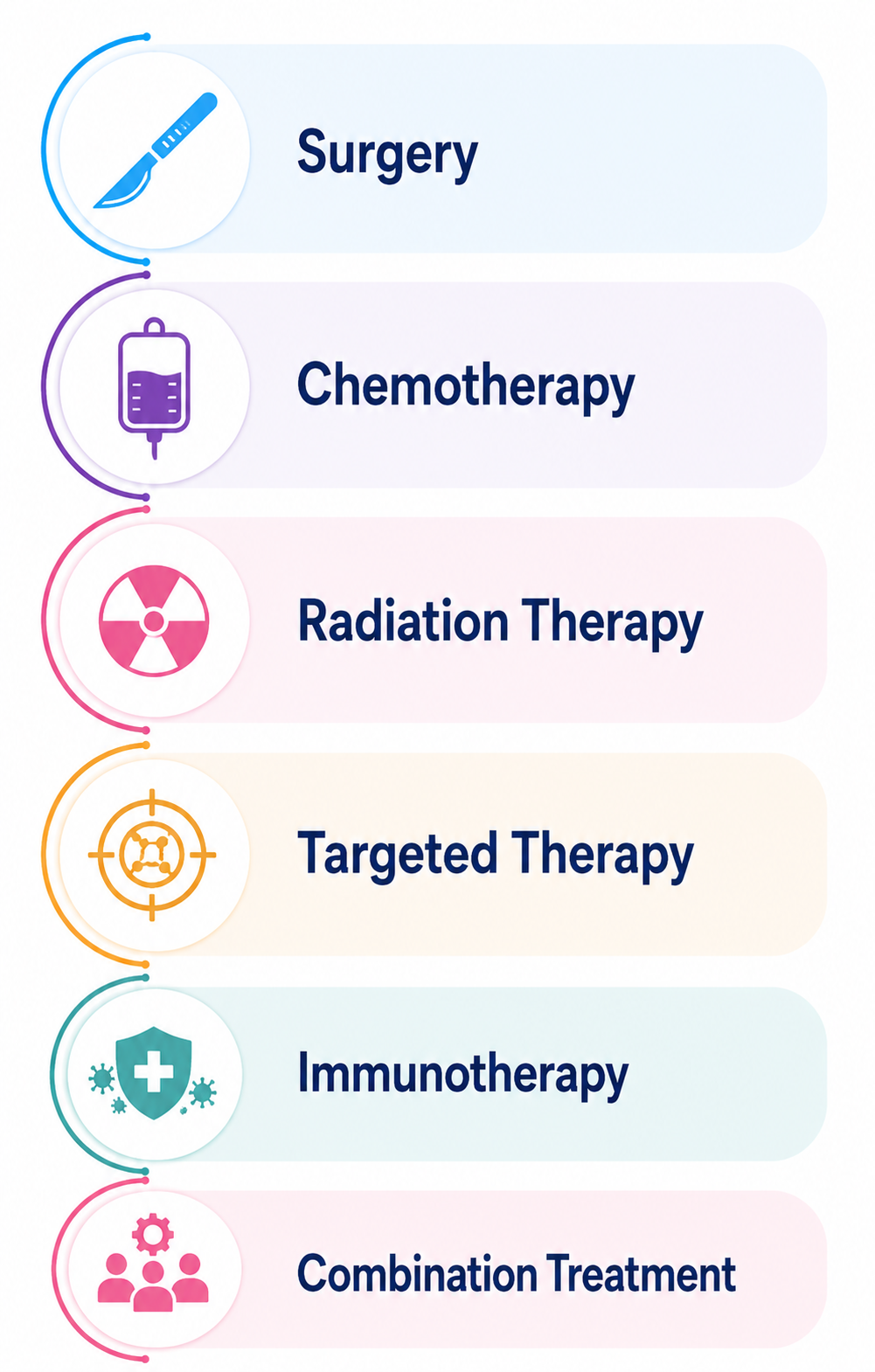
Esophageal cancer treatment depends on factors such as the cancer’s type, stage, location, whether it has spread, and the patient’s overall health. Doctors may use one treatment or combine several approaches to achieve the best possible outcome.
- Surgery: Surgery may be used to remove the cancerous part of the esophagus and nearby tissues, particularly when the cancer can be removed completely.
- Chemotherapy: Chemotherapy uses medicines to destroy cancer cells or slow their growth and may be given before or after surgery or for advanced disease.
- Radiation Therapy: Radiation therapy uses high-energy radiation to target and destroy cancer cells and may be combined with chemotherapy or used as part of other treatment plans.
- Targeted Therapy: Targeted medicines focus on specific changes in cancer cells and may be recommended when testing shows that the tumour has certain targetable features.
- Immunotherapy: Immunotherapy helps the immune system recognise and attack cancer cells and may be considered for certain advanced or recurrent esophageal cancers.
- Combination Treatment: Depending on the stage and individual diagnosis, doctors may combine treatments such as chemotherapy, radiation therapy, and surgery to improve disease control.
Why Choose Healius for Esophageal Cancer Treatment in Bangalore?
Esophageal cancer treatment often involves more than one type of care depending on the stage, tumour location, and overall health. Healius focuses on bringing the right specialists, treatment options, and patient support together for a more coordinated cancer care experience.
Experienced Oncology Team
- Experienced specialists help assess the type and stage of esophageal cancer.
- Treatment decisions are based on the patient’s individual diagnosis and health.
- The team can guide patients through different stages of their treatment journey.
Personalised Treatment Plans
- Treatment is planned according to the cancer’s stage, location, and progression.
- Doctors determine whether surgery, chemotherapy, radiation, or other treatments may be appropriate.
- The treatment plan can be adjusted based on how the patient responds to therapy.
Multidisciplinary Cancer Care
- Esophageal cancer may require inputs from medical, surgical, and radiation oncology specialists.
- Different specialists can work together when a combination of treatments is needed.
- This coordinated approach helps address different aspects of the patient’s cancer care.
Comprehensive Treatment Options
- Treatment options may include surgery, chemotherapy, radiation therapy, targeted therapy, and immunotherapy.
- The appropriate treatment or combination depends on the individual’s diagnosis.
- Supportive care can also be included to help manage treatment-related symptoms and nutritional concerns.
Patient-Centred Care
- Patients are guided through their diagnosis, treatment options, and next steps.
- The team focuses on clear communication throughout the treatment process.
- Care also considers the patient’s comfort, nutritional needs, and overall well-being.
Continued Support and Follow-Up
- Follow-up care helps doctors monitor treatment response and recovery.
- Patients can receive ongoing guidance for managing treatment-related concerns.
- Regular monitoring can also help identify changes that may require further evaluation.
What is the Cost of Esophageal Cancer Treatment?
Factor | How It Can Affect Treatment Cost |
Stage of Cancer | The stage determines how extensive the treatment needs to be and whether multiple treatment approaches are required. |
Type of Esophageal Cancer | Different cancer types may require different diagnostic evaluations and treatment strategies. |
Treatment Approach | Surgery, chemotherapy, radiation therapy, targeted therapy, and immunotherapy can each contribute differently to the overall treatment cost. |
Number of Treatment Sessions | The number and frequency of chemotherapy, radiation, or other treatment sessions can influence the total cost. |
Surgical Requirements | If surgery is required, factors such as the complexity of the procedure, hospitalisation, and post-surgical care can affect the overall expenses. |
Diagnostic Tests | Biopsies, imaging scans, pathology tests, and other investigations may be needed for diagnosis, staging, and treatment planning. |
Medications and Supportive Care | Medicines used during treatment and supportive care for managing side effects or nutritional concerns may add to the overall cost. |
Duration of Treatment | A longer treatment period or additional cycles of therapy may increase the overall expenses. |
Hospitalisation and Follow-Up Care | The need for hospital stays, monitoring, follow-up consultations, and recovery care can influence the total treatment cost. |
Individual Health Needs | Existing health conditions and the patient’s overall health may require additional monitoring or supportive care during treatment. |
Frequently Asked Questions
How is esophageal cancer diagnosed?
Diagnosis may involve an upper endoscopy and biopsy, along with imaging tests and other investigations to determine the type and extent of the cancer.
What are the different types of esophageal cancer?
The two main types are squamous cell carcinoma and adenocarcinoma, which develop from different types of cells in the esophagus. Squamous cell carcinoma usually begins in the flat cells lining the esophagus, while adenocarcinoma develops in glandular cells, often in the lower part of the esophagus. The type of cancer can influence the treatment approach.
Is surgery always required for esophageal cancer?
No, surgery is not required for every patient. Whether surgery is appropriate depends on factors such as the cancer’s stage, location, spread, and the patient’s overall health.
How long does esophageal cancer treatment take?
The duration varies depending on the treatment plan. It may involve multiple cycles of therapy, surgery, radiation sessions, or ongoing treatment and follow-up.
What esophageal cancer treatments are available at Healius?
At Healius, esophageal cancer treatment may include surgery, chemotherapy, radiation therapy, targeted therapy, and immunotherapy, depending on the cancer type, stage, and individual treatment needs.
Can esophageal cancer be prevented?
There is no guaranteed way to prevent esophageal cancer, but avoiding tobacco, limiting alcohol, maintaining a healthy weight, managing long-term acid reflux, and following a balanced diet may help reduce the risk.
What should you consider when choosing a hospital for esophageal cancer treatment in Bangalore?
When choosing a hospital for esophageal cancer treatment in Bangalore, consider the experience of the oncology team, availability of multidisciplinary care, diagnostic facilities, treatment options, supportive services, and the overall approach to patient care.
