


What Is Hemato Oncology?
Hemato oncology is a specialised branch of medicine that brings together haematology and oncology to diagnose and treat cancers affecting the blood, bone marrow and lymphatic system. A hemato oncologist may manage conditions such as leukemia, lymphoma, multiple myeloma and other blood-related cancers based on each patient’s individual diagnosis and needs.
At Healius, hemato oncology in Bangalore focuses on providing comprehensive evaluation, personalised treatment planning and continued support. Patients can consult an experienced hemato oncologist in Bangalore to better understand their condition and explore appropriate treatment and follow-up options.
Who Is a Hemato Oncologist?
A hemato oncologist specialises in the diagnosis, treatment and management of blood cancers and certain complex haematological conditions. Their role can include evaluating symptoms and test results, understanding the specific condition and discussing appropriate treatment options based on the patient’s overall health and clinical needs.
At Healius, patients seeking hemato oncology in Bangalore can access a patient-focused approach to care. With comprehensive evaluation and personalised treatment planning, our specialists support patients and their families throughout their diagnosis, treatment and follow-up.
What Conditions Are Treated by a Hemato Oncologist?
A hemato oncologist specialises in diagnosing and treating cancers that affect the blood, bone marrow and lymphatic system. These conditions can vary in their type, severity and treatment approach, making specialised evaluation and personalised care important.
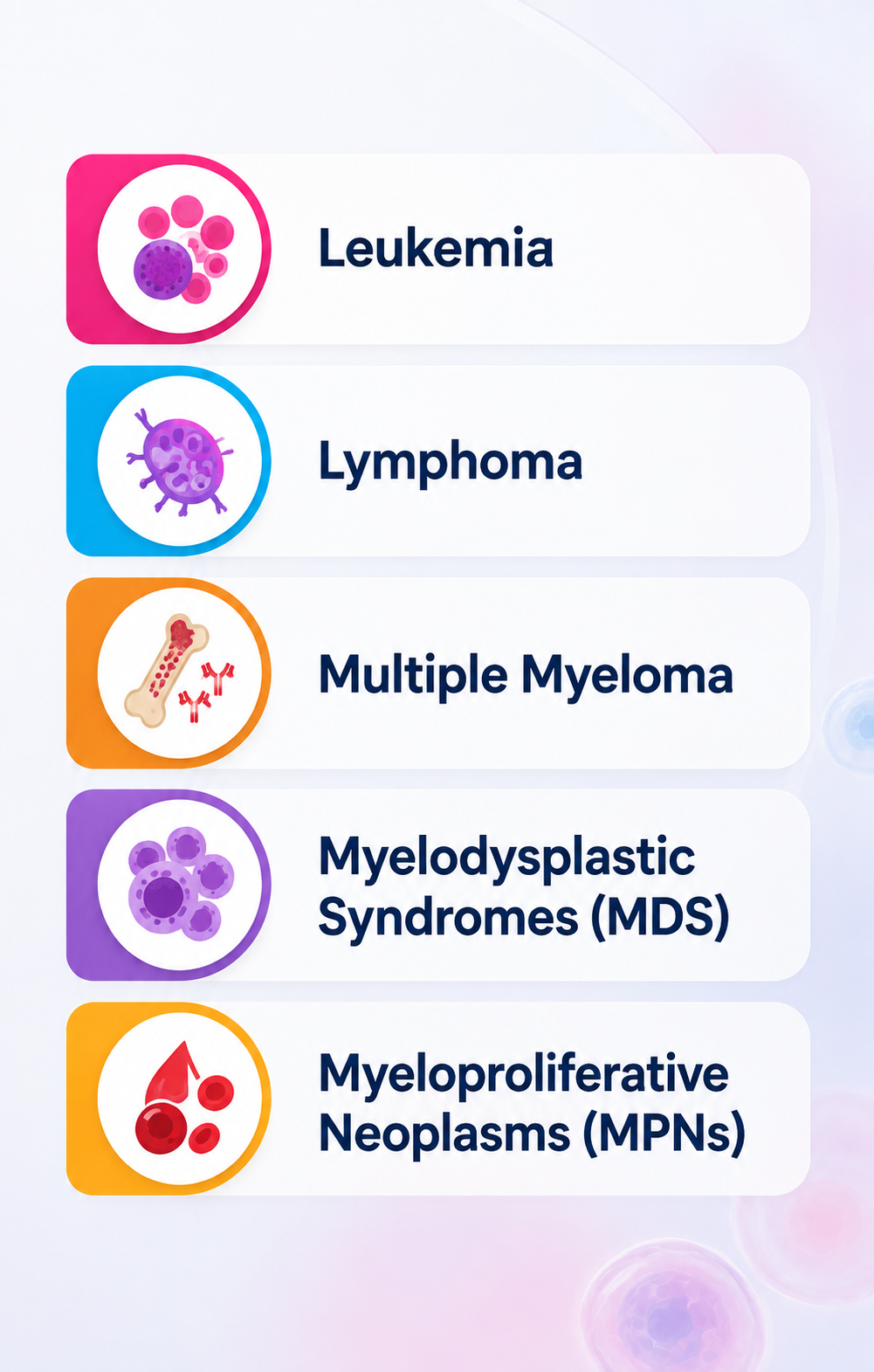
Here are some of the common conditions treated by a hemato oncologist:
- Leukemia: Leukemia is a type of blood cancer that affects the blood-forming tissues, including the bone marrow. Treatment may vary depending on the type of leukemia, its characteristics and the patient’s overall health.
- Lymphoma: Lymphoma affects the lymphatic system, which is an important part of the body’s immune system. A hemato oncologist can help diagnose the specific type of lymphoma and discuss appropriate treatment options.
- Multiple Myeloma: Multiple myeloma is a cancer that affects plasma cells, a type of white blood cell. Its management may involve different treatment approaches depending on the stage and individual characteristics of the condition.
- Myelodysplastic Syndromes (MDS): Myelodysplastic syndromes are a group of disorders in which the bone marrow does not produce healthy blood cells effectively. A hemato oncologist can evaluate the condition and recommend appropriate monitoring or treatment.
- Myeloproliferative Neoplasms (MPNs): Myeloproliferative neoplasms are conditions in which the bone marrow produces an excessive number of certain blood cells. Depending on the specific type and clinical presentation, treatment and long-term monitoring may be recommended.
When Should You Consult a Hemato Oncologist in Bangalore?
You may need to consult a hemato oncologist if you have symptoms, test results or a diagnosis that suggests a blood-related cancer or a complex haematological condition. While many of these symptoms can also occur due to other health conditions, timely medical evaluation can help identify the underlying cause and guide the next steps.
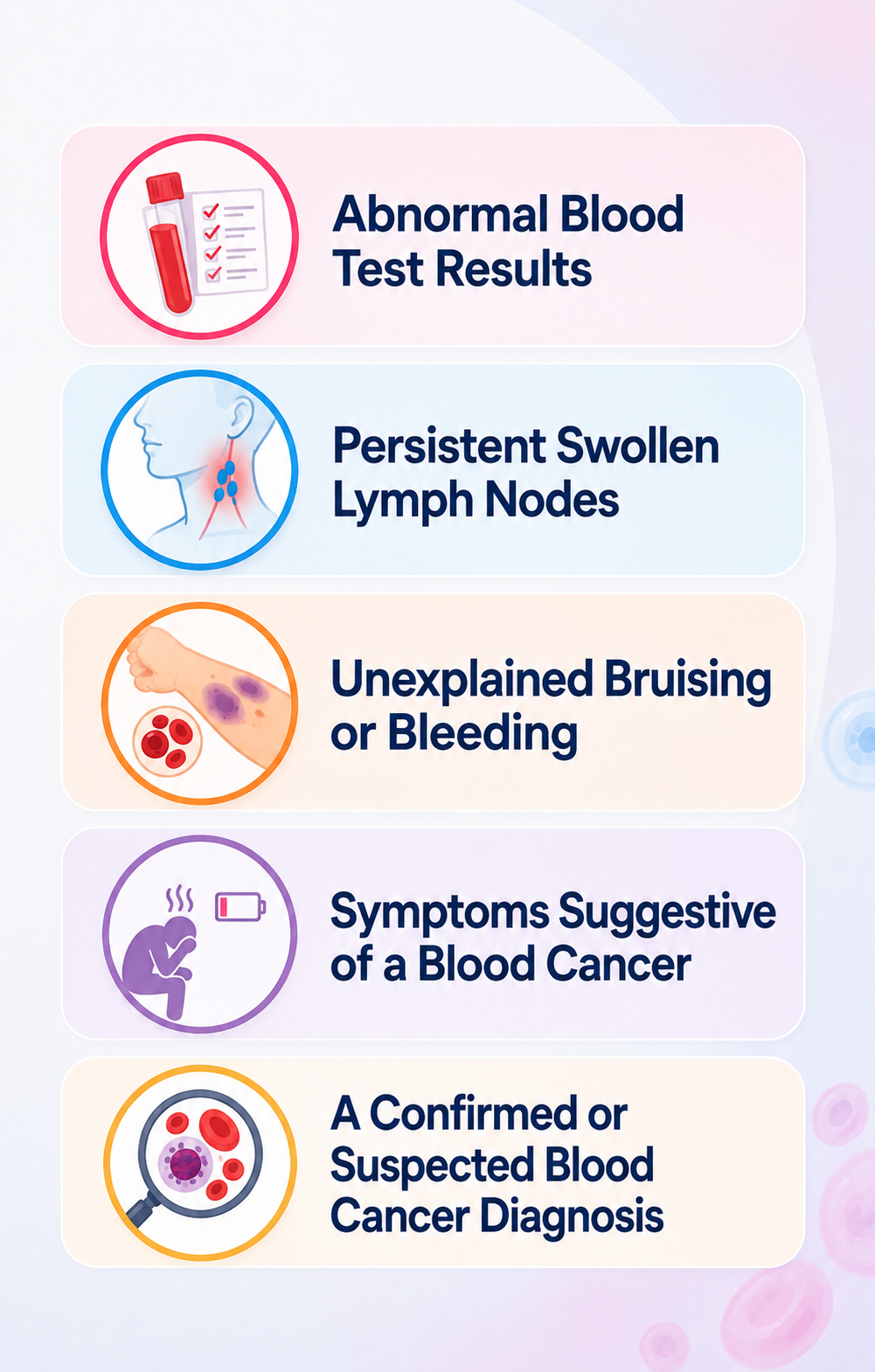
Here are some situations in which consulting a hemato oncologist in Bangalore may be recommended:
- Abnormal Blood Test Results: Significant or persistent abnormalities in blood counts may require further evaluation. A hemato oncologist can assess the reports, understand the possible cause and recommend additional investigations if needed.
- Persistent Swollen Lymph Nodes: Lymph nodes that remain enlarged for an extended period or are associated with other concerning symptoms may need medical evaluation. Further tests can help determine the underlying reason.
- Unexplained Bruising or Bleeding: Frequent bruising, prolonged bleeding or other unexplained changes may sometimes be linked to blood-related conditions. A specialist can evaluate these symptoms along with relevant blood tests.
- Symptoms Suggestive of a Blood Cancer: Persistent fatigue, unexplained weight loss, recurring fever, frequent infections or night sweats may warrant medical attention, particularly when symptoms persist or occur together.
- A Confirmed or Suspected Blood Cancer Diagnosis: If you have been diagnosed with or are being evaluated for conditions such as leukemia, lymphoma or multiple myeloma, consulting a hemato oncologist can help you understand the diagnosis and discuss appropriate treatment and follow-up options.
How Is The Diagnosis and Evaluation in Hemato Oncology?
Diagnosing a blood cancer or a complex blood-related condition involves a detailed evaluation to understand the exact nature of the condition. A hemato oncologist may recommend different tests based on the patient’s symptoms, medical history and initial findings.
1. Medical History and Clinical Evaluation
The process usually begins with a discussion about the patient’s symptoms, medical history and any previous health conditions. The doctor may also perform a physical examination to check for signs that require further evaluation.
2. Blood Tests
Blood tests help assess different components of the blood, including red blood cells, white blood cells and platelets. Any abnormalities can provide important information and help determine whether additional investigations are required.
3. Bone Marrow Examination
In certain cases, a bone marrow examination may be recommended to evaluate how blood cells are being produced and to identify abnormalities. This can be an important part of diagnosing conditions such as leukemia, myelodysplastic syndromes and other blood disorders.
4. Imaging and Specialised Diagnostic Tests
Depending on the suspected condition, imaging tests and specialised investigations such as flow cytometry, cytogenetic testing or molecular testing may be used. These tests can help provide a clearer understanding of the specific condition and its characteristics.
5. Diagnosis and Treatment Planning
Once the evaluation is complete, the hemato oncologist reviews the findings to establish a diagnosis and understand the nature of the condition. Based on the results, the patient may be guided through suitable treatment options, monitoring or further evaluation according to their individual clinical needs.
Why Choose Healius For Hemato Oncology in Bangalore?
Choosing the right care team can make a meaningful difference when dealing with blood cancers and complex haematological conditions. At Healius, our approach to hemato oncology in Bangalore focuses on understanding each patient’s diagnosis and supporting them through evaluation, treatment and follow-up.
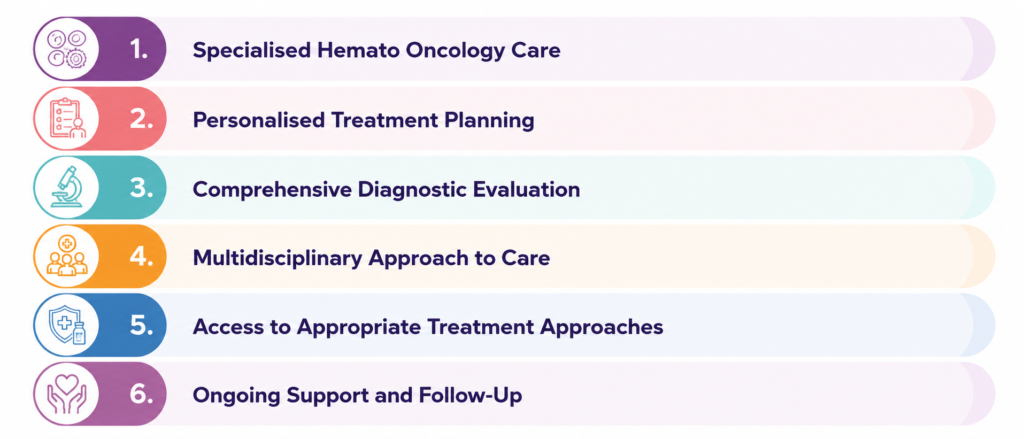
Here are some reasons to consider Healius for hemato oncology care:
- Specialised Hemato Oncology Care
Hemato oncology requires a detailed understanding of cancers affecting the blood, bone marrow and lymphatic system. At Healius, patients can consult specialists for the evaluation and management of conditions such as leukemia, lymphoma, multiple myeloma and other haematological malignancies.
- Personalised Treatment Planning
Every diagnosis is different, and so is every patient’s care journey. Treatment planning of hematolo oncology takes into account factors such as the type and characteristics of the condition, diagnostic findings, overall health and individual clinical requirements.
- Comprehensive Diagnostic Evaluation
Accurate diagnosis plays an important role in determining the next steps. Depending on the patient’s condition, the evaluation may involve blood tests, bone marrow examination, imaging and other specialised diagnostic investigations.
- Multidisciplinary Approach to Care
Hemato oncology care may involve collaboration between specialists from different areas of cancer care. A multidisciplinary approach can help ensure that different aspects of diagnosis, treatment and supportive care are considered while planning the patient’s care.
- Access to Appropriate Treatment Approaches
Depending on the diagnosis and individual clinical needs, treatment may involve approaches such as chemotherapy, targeted therapy, immunotherapy, supportive care or other suitable interventions. The treatment plan is discussed based on what is clinically appropriate for the patient.
- Ongoing Support and Follow-Up
Care does not necessarily end after the initial treatment plan. Regular follow-up, monitoring and supportive care can play an important role throughout the patient’s journey, helping address treatment-related concerns and supporting long-term management where required.
Factors Affecting The Cost Of Hemato Oncology in Bangalore?
| Factor Affecting the Cost | How It Can Influence the Overall Cost |
| Type of Condition | The cost may vary depending on the specific diagnosis, such as leukemia, lymphoma, multiple myeloma or another haematological condition, as each may require a different treatment approach. |
| Diagnostic Tests Required Recommended | Blood tests, bone marrow examinations, imaging, flow cytometry and molecular or genetic testing may be recommended depending on the patient’s condition. |
| Type of Treatment | The overall cost can differ based on whether treatment involves chemotherapy, targeted therapy, immunotherapy, supportive care or other clinically appropriate approaches. |
| Duration of Treatment | Some conditions may require treatment over a longer period, while others may involve shorter treatment cycles or ongoing monitoring, which can affect the total cost. |
| Hospitalisation Requirements | If admission, intensive monitoring or management of treatment-related complications is required, this may add to the overall treatment expenses. |
| Supportive Care and Medications | Additional costs may be associated with blood or platelet transfusions, medications, infection management and other supportive care required during treatment. |
Frequently Asked Questions
What conditions are treated by a hemato oncologist?
A hemato oncologist may treat leukemia, lymphoma, multiple myeloma, myelodysplastic syndromes, myeloproliferative neoplasms and other blood-related cancers.
What tests are used in hemato oncology?
Depending on the condition, hemato oncology evaluation may include blood tests, bone marrow examination, imaging, flow cytometry, cytogenetic testing and molecular testing.
What is the difference between a haematologist and a hemato oncologist?
A haematologist primarily focuses on blood disorders, while a hemato oncologist has specialised expertise in diagnosing and managing blood cancers and related malignancies.
What types of cancers are treated under hemato oncology?
Hemato oncology commonly involves the management of blood cancers such as leukemia, lymphoma and multiple myeloma, along with other haematological malignancies.
How long does hemato oncology treatment usually last?
The duration of treatment can vary significantly depending on the type of condition, treatment approach and the patient’s response. Some patients may require treatment over several cycles, while others may need long-term monitoring.
What happens if blood test results are abnormal?
Abnormal blood test results do not always indicate cancer. However, persistent or significant abnormalities may require further evaluation by a doctor or hemato oncologist to identify the underlying cause.
