
What is Pancreatic Cancer?
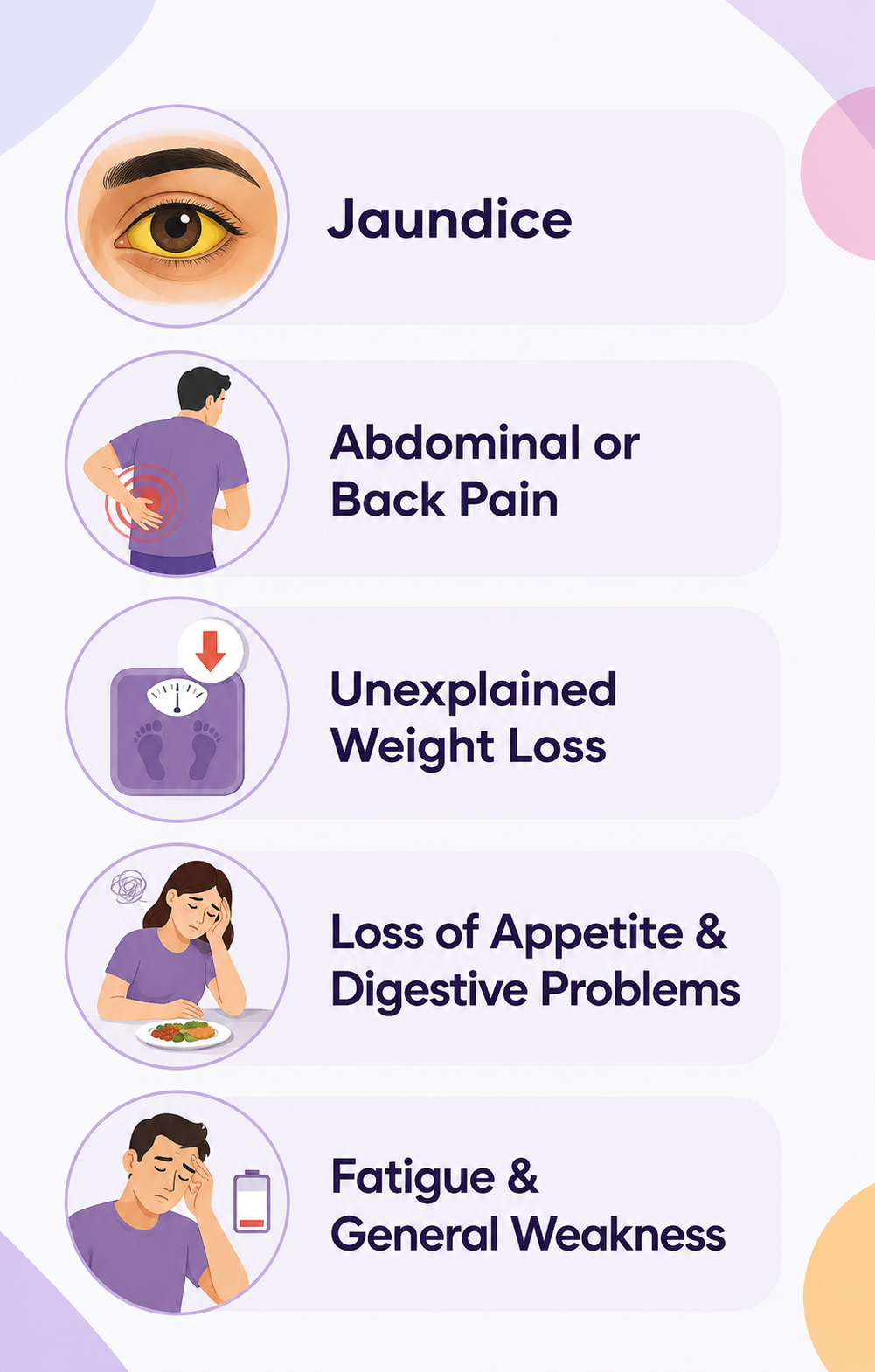
Pancreatic cancer is a type of cancer that begins in the tissues of the pancreas, an organ located behind the stomach that plays an important role in digestion and blood sugar regulation. It occurs when abnormal cells in the pancreas grow and multiply uncontrollably, forming a tumour. In its early stages, pancreatic cancer may not cause noticeable symptoms, which can make it difficult to detect. As the condition progresses, symptoms such as abdominal or back pain, unexplained weight loss, jaundice, loss of appetite and digestive problems may develop.
At Healius, pancreatic cancer care focuses on understanding the individual needs of every patient and creating a treatment plan accordingly. Our multidisciplinary team evaluates the type, stage and extent of the cancer before recommending appropriate treatment options, which may include pancreatic surgery, chemotherapy, radiation therapy or other therapies. If you’re looking for pancreatic cancer treatment near me, Healius is your right choice aiming to support patients through every stage of their pancreatic cancer treatment journey with experienced specialists, advanced diagnostic support and personalised cancer care.
What Are The Symptoms of Pancreatic Cancer?
People diagnosed with esophageal cancer need specialist evaluation to determine the most appropriate treatment. The approach depends on the cancer’s type, stage, location, spread, and the patient’s overall health.
- People Diagnosed With Esophageal Cancer: A confirmed diagnosis requires specialist evaluation to determine the right treatment approach.
- People With Early-Stage Cancer: Early treatment may help remove or control cancer before it progresses further.
- People With Locally Advanced Cancer: Treatment may involve a combination of chemotherapy, radiation therapy, and surgery.
- People With Metastatic Esophageal Cancer: Treatment can help control cancer growth, manage symptoms, and maintain quality of life.
- People Experiencing Significant Symptoms: Symptoms such as increasing difficulty swallowing or unexplained weight loss require medical evaluation and appropriate care.
What Causes Pancreatic Cancer?
The exact cause of pancreatic cancer is not always known. It develops when cells in the pancreas undergo changes in their DNA and begin to grow and multiply uncontrollably. However, certain factors may increase the risk of developing the condition.
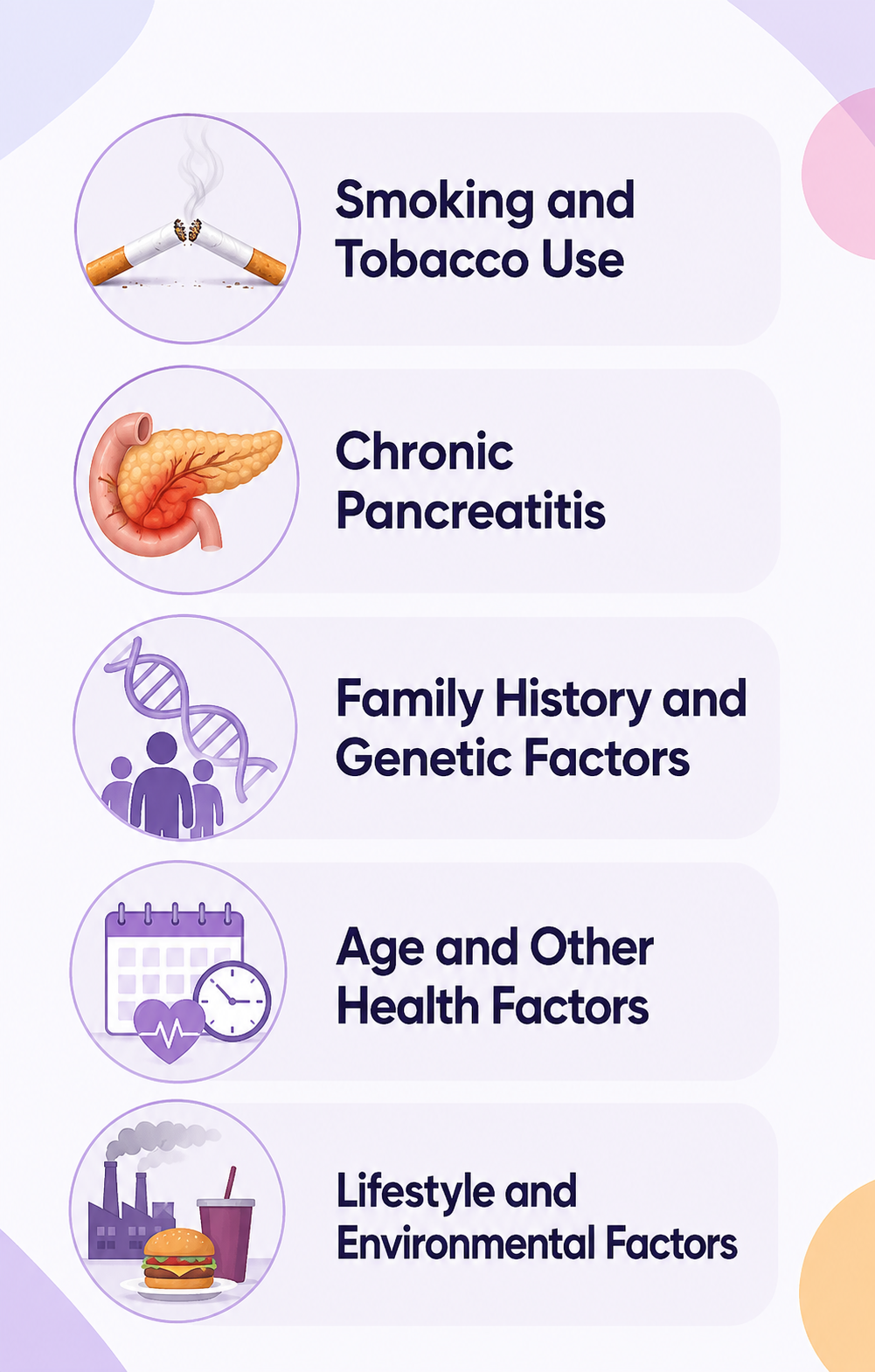
- Smoking and Tobacco Use: Smoking is a significant risk factor for pancreatic cancer. Chemicals present in tobacco can damage cells and contribute to changes that may increase the likelihood of cancer developing.
- Chronic Pancreatitis: Long-term inflammation of the pancreas, known as chronic pancreatitis, may increase the risk of pancreatic cancer. Repeated inflammation can cause damage to pancreatic tissues over time.
- Family History and Genetic Factors: Having a close family member with pancreatic cancer may increase an individual’s risk. Certain inherited genetic changes and family cancer syndromes can also be associated with a higher risk.
- Age and Other Health Factors: The risk of pancreatic cancer generally increases with age. Certain health conditions, including long-standing diabetes and obesity, may also be associated with an increased risk.
- Lifestyle and Environmental Factors: Factors such as poor dietary habits, excess body weight and exposure to certain harmful chemicals may contribute to an increased risk. However, having one or more risk factors does not necessarily mean that a person will develop pancreatic cancer.
Are There Different Stages of Pancreatic Cancer?
Yes, pancreatic cancer is classified into different stages based on the size and location of the tumour and whether it has spread to nearby lymph nodes or other parts of the body. Understanding the stage helps doctors determine the most appropriate pancreatic cancer treatment approach.
Stage 0
- Also called carcinoma in situ, this is an early stage where abnormal cells are found in the lining of the pancreas.
- The abnormal cells have not invaded deeper pancreatic tissues or spread to lymph nodes or other parts of the body.
Stage I
- The cancer is confined to the pancreas and has not spread to nearby lymph nodes or distant organs.
- Depending on the location and characteristics of the tumour, pancreatic cancer surgery may be considered as part of treatment.
Stage II
- The cancer may have grown beyond the pancreas into nearby tissues and may have spread to nearby lymph nodes.
- Treatment may involve pancreatic surgery, chemotherapy, radiation therapy or a combination of these approaches.
Stage III
- The cancer has spread to major blood vessels or other nearby structures, making surgical removal more complex.
- Treatment may include chemotherapy, radiation therapy or other therapies to control the cancer and, in selected cases, make surgery possible.
Stage IV
- The cancer has spread to distant organs or parts of the body, such as the liver, lungs or distant lymph nodes.
- Treatment generally focuses on slowing cancer growth, managing symptoms and maintaining quality of life through appropriate cancer therapies and supportive care.
How Does Pancreatic Cancer Treatment Work?
Pancreatic cancer treatment is planned based on factors such as the type, stage and location of the cancer, whether it can be removed with surgery and the patient’s overall health. The treatment process may involve one or a combination of different approaches.
Step 1: Detailed Diagnosis and Evaluation
- Doctors use imaging tests, blood tests, biopsies and other diagnostic procedures to confirm the diagnosis and understand the characteristics of the cancer.
- The stage of the cancer and its relationship with nearby blood vessels and organs are also evaluated to help guide treatment planning.
Step 2: Creating a Personalised Treatment Plan
- A multidisciplinary team considers the type and stage of pancreatic cancer, the patient’s overall health and treatment goals before recommending an approach.
- Depending on the condition, the treatment plan may include pancreatic surgery, chemotherapy, radiation therapy or a combination of treatments.
Step 3: Treating the Cancer
- If the cancer is localised and can be safely removed, pancreatic cancer surgery may be recommended to remove the tumour and, in some cases, nearby affected tissues.
- Chemotherapy, radiation therapy or other appropriate treatments may be used before surgery, after surgery or as the primary treatment when surgery is not suitable.
Step 4: Managing Symptoms and Supporting Recovery
- Treatment may also focus on managing symptoms such as pain, digestive problems, weight loss and fatigue.
- Nutritional support, pain management and other supportive care measures can help patients maintain their strength and quality of life during treatment.
Step 5: Follow-Up and Ongoing Monitoring
- Regular follow-up appointments and tests may be recommended to monitor the patient’s recovery and response to treatment.
- Doctors also assess for potential side effects, recurrence or any changes that may require further treatment or supportive care.
Why Choose Healius For Pancreatic Cancer Treatment in Bangalore?
Specialised Pancreatic Cancer Care: Pancreatic cancer requires careful evaluation due to its location and potential involvement with nearby organs and blood vessels. At Healius, treatment planning is based on the type, stage and individual characteristics of the cancer.
Multidisciplinary Treatment Approach: Pancreatic cancer treatment may require the involvement of specialists across different areas of cancer care. The team works together to evaluate the condition and determine the most suitable treatment approach.
Personalised Treatment Plans: Every patient’s condition is different, and treatment is planned after considering factors such as the stage of cancer, tumour location and overall health. This helps ensure that the recommended approach is suited to the patient’s individual needs.
Comprehensive Treatment Options: Depending on the diagnosis, pancreatic cancer treatment may include surgery, chemotherapy, radiation therapy or a combination of treatments. The treatment approach is selected based on what is clinically appropriate for the individual patient.
Careful Evaluation for Pancreatic Surgery: Surgery may be an option when the tumour can be safely removed based on its location and extent. Patients are carefully evaluated to determine whether pancreatic surgery is suitable and which approach may be appropriate.a
Ongoing Support and Follow-Up: Care continues beyond the initial treatment, with regular monitoring to assess recovery and response to treatment. Patients can also receive support for managing symptoms, treatment-related side effects and other concerns throughout their journey.
What Are The Options of Pancreatic Cancer Treatment in Bangalore?
Pancreatic cancer treatment depends on the cancer’s stage, location, overall health and specific tumour characteristics. Based on these factors, treatment may include surgery, targeted therapies and other personalised approaches.
- Targeted Therapy for Pancreatic Cancer: Targeted therapy uses medicines designed to act on specific genetic changes or molecular features found in certain pancreatic cancers. It may be considered for patients whose tumour has an actionable biomarker identified through appropriate testing.
- Robotic Pancreatic Cancer Surgery: Robotic surgery uses advanced technology to assist surgeons in performing complex pancreatic procedures through small incisions. For carefully selected patients, it may offer greater surgical precision and potentially support faster recovery.
- Whipple Surgery for Pancreatic Cancer: Whipple surgery, or pancreaticoduodenectomy, is a major procedure commonly used for tumours located in the head of the pancreas. It involves removing the affected part of the pancreas along with nearby structures and reconstructing the digestive tract.
What is The Cost of Pancreatic Cancer Treatment?
The cost of pancreatic cancer treatment can vary depending on several factors related to the diagnosis, treatment approach and individual patient requirements. Here are some of the key factors that may influence the overall cost:
| Factor | How It Can Influence the Cost |
| Stage of Pancreatic Cancer | The stage of the cancer can influence the type, duration and complexity of treatment required. Advanced stages may require a combination of different treatment approaches and ongoing care. |
| Type of Treatment Required | The overall cost may vary depending on whether the treatment plan includes surgery, chemotherapy, radiation therapy, targeted therapy or a combination of treatments. |
| Need for Pancreatic Surgery | If surgery is recommended, factors such as the type of procedure, complexity of the tumour and extent of surgery can influence the overall treatment expenses. |
| Diagnostic Tests and Evaluation | Imaging tests, biopsies, blood tests and other diagnostic procedures required to confirm and stage the cancer can contribute to the treatment cost. |
| Duration and Number of Treatment Sessions | The number of chemotherapy or radiation therapy sessions and the overall duration of treatment can affect the total cost of care. |
| Hospitalisation and Supportive Care | Expenses may also vary based on the length of hospital stay, medications, nutritional support, pain management and other supportive care required during treatment and recovery. |
Frequently Asked Questions
Can pancreatic cancer be detected early?
Pancreatic cancer can be difficult to detect in its early stages because it may not cause noticeable symptoms. Regular medical evaluation may be particularly important for people with certain risk factors or a strong family history of pancreatic cancer.
Is pancreatic cancer curable?
The possibility of successful pancreatic cancer treatment depends on several factors, including the stage of the cancer, its location and whether the tumour can be completely removed. Early diagnosis and an appropriate treatment plan can play an important role in treatment outcomes.
How do doctors decide the right pancreatic cancer treatment?
Doctors consider the type, stage and location of the cancer, along with whether the tumour can be removed through surgery and the patient’s overall health. Based on this evaluation, treatment may include surgery, chemotherapy, radiation therapy or a combination of these approaches.
Where can I get pancreatic cancer treatment in Bangalore?
Pancreatic cancer treatment is available at specialised cancer care centres and hospitals in Bangalore with access to relevant specialists and treatment options. At Healius, patients receive personalised treatment planning based on the type, stage and extent of the cancer.
How can I find the best pancreatic cancer treatment near me?
Look for a cancer care centre with experienced specialists, comprehensive diagnostic facilities and access to appropriate treatment options. A multidisciplinary approach and ongoing supportive care can also help ensure well-coordinated treatment.
Can pancreatic cancer treatment be given without surgery?
Yes, pancreatic cancer treatment can be given without surgery when surgery is not suitable or the tumour cannot be safely removed. Depending on the patient’s condition, treatment may include chemotherapy, radiation therapy or other appropriate cancer therapies.
Can pancreatic cancer in elderly patients be treated?
Yes, pancreatic cancer can be treated in elderly patients, depending on their overall health, cancer stage and ability to tolerate treatment. Doctors may recommend surgery, chemotherapy, targeted therapy, radiation or supportive care based on individual needs.
