
Pediatric Oncology Treatment by Experts
No parent expects to hear that their child may need to see a cancer specialist. When that recommendation comes, it is natural to have questions about what it means, what happens next, and what kind of care your child may need.
This is where pediatric oncology plays an important role. Children with cancer require care that is designed specifically for their growing bodies and unique medical needs. A pediatric oncologist specialises in understanding these differences and guiding families through evaluation, diagnosis, treatment, and ongoing care.
For parents, knowing what to expect can make an unfamiliar situation easier to navigate. From understanding why a specialist consultation may be recommended to learning about the care available for children, having reliable information can help you take each decision one step at a time. This page covers the key things parents and caregivers should know about pediatric oncology and caring for a child with cancer.
What Is Pediatric Oncology?
Pediatric oncology is a specialised branch of medicine focused on the diagnosis, treatment, and ongoing care of cancer in children and adolescents. Childhood cancers can be different from cancers seen in adults, both in the types that commonly occur and in how they are treated. Since children are still growing and developing, their care needs to consider factors such as age, overall health, development, and the specific characteristics of their condition.
Pediatric oncology covers the entire care journey, from evaluating symptoms and confirming a diagnosis to planning treatment, managing side effects, and providing follow-up care. Treatment is often provided by a multidisciplinary team that may include pediatric oncologists, surgeons, radiation oncologists, nurses, and other specialists. Along with treating the cancer, pediatric oncology also focuses on supporting the child’s physical, emotional, and developmental well-being throughout treatment and beyond.
How Does Pediatric Oncology Work?
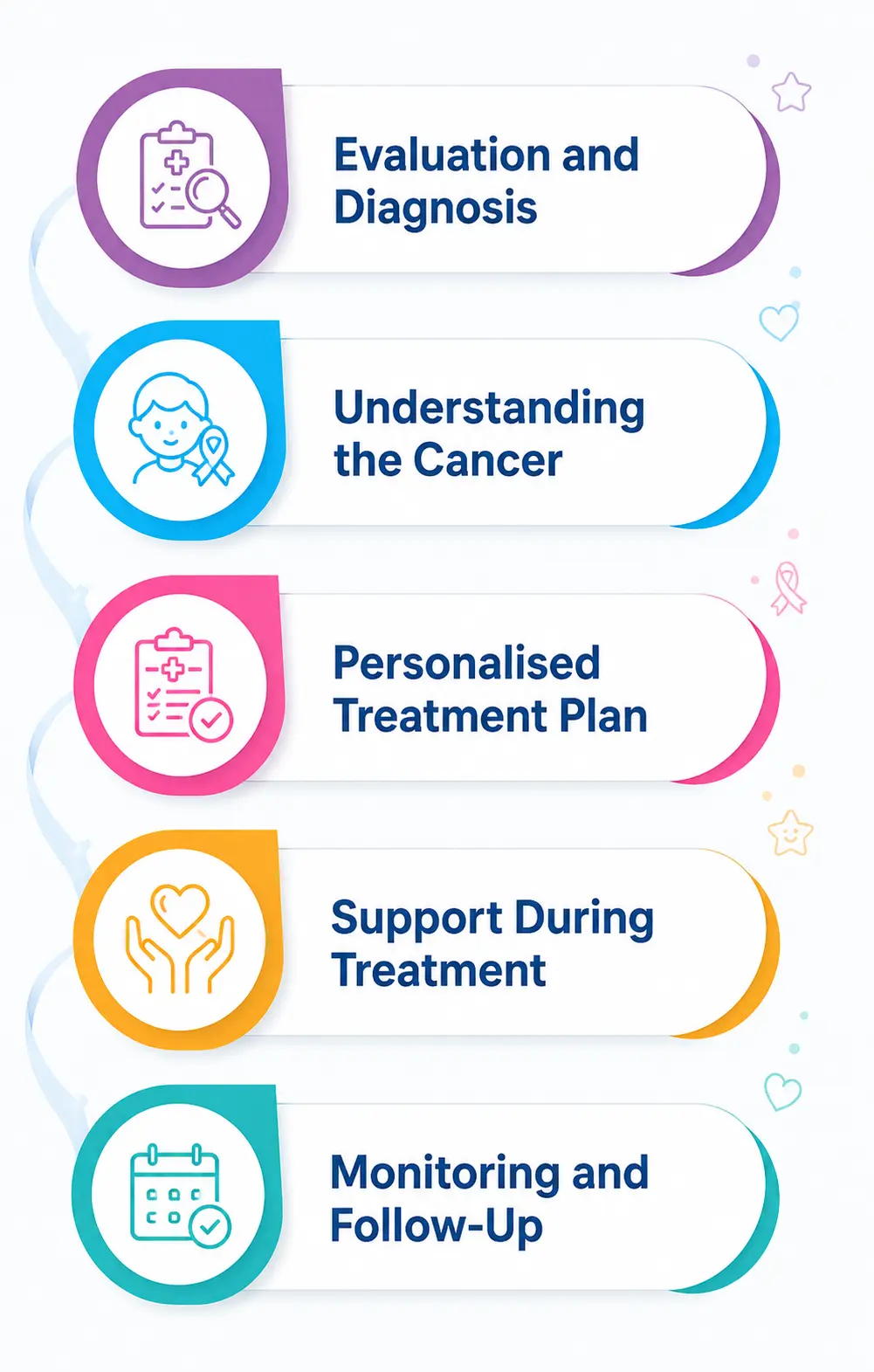
Pediatric oncology involves a coordinated approach to diagnosing, treating, and supporting children and adolescents with cancer. Care is planned around the child’s condition, age, overall health, and individual needs.
- Evaluation and Diagnosis: Symptoms and medical history are assessed, followed by tests such as blood tests, imaging, bone marrow tests, or a biopsy when needed.
- Understanding the Cancer: Doctors identify the type, location, extent, and characteristics of the cancer to guide treatment decisions.
- Personalised Treatment Plan: Treatment is planned based on the diagnosis and the child’s needs and may include chemotherapy, surgery, radiation, or other therapies.
- Support During Treatment: The care team monitors treatment response, manages side effects, and supports the child’s physical and emotional well-being.
- Monitoring and Follow-Up: Regular follow-ups help track recovery, watch for recurrence, and monitor any long-term effects of treatment.
When Should You Consult a Pediatric Oncologist?
Most symptoms in children are related to common health conditions and do not necessarily mean cancer. However, if certain symptoms persist, occur without a clear cause, or seem unusual for your child, it is important to consult a pediatrician, who may recommend evaluation by a pediatric oncologist in Bangalore.
- Unexplained Lumps or Swelling
- A lump or swelling that persists, grows, or appears without an obvious cause may need further evaluation.
- These swellings may occur around the neck, abdomen, underarms, groin, or other areas.
- Persistent Fever or Fatigue
- A fever that continues or frequently returns without a clear infection should be assessed.
- Unusual tiredness, weakness, or reduced energy that interferes with daily activities may also require investigation.
- Unusual Bruising or Bleeding
- Frequent or unexplained bruising, especially without a known injury, may need medical attention.
- Repeated nosebleeds, gum bleeding, or other unusual bleeding should also be evaluated.
- Persistent Bone or Joint Pain
- Ongoing bone or joint pain without an injury, particularly if it worsens over time, should be checked.
- Swelling, limping, or difficulty with normal movement may also require further assessment.
- Unexplained Weight or Appetite Changes
- Noticeable weight loss without a clear reason may indicate an underlying health concern that needs evaluation.
- Persistent loss of appetite, particularly when accompanied by weakness or fatigue, should be discussed with a doctor.
- Persistent Headaches or Neurological Changes
- Frequent or worsening headaches, especially when accompanied by repeated vomiting, may require further investigation.
- Changes in vision, balance, coordination, movement, or behaviour should also be medically evaluated.
What Are the Most Common Types of Cancer in Children?
Childhood cancers can affect different parts of the body, including the blood, brain, bones, lymphatic system, and other organs. The types commonly seen in children can differ considerably from those typically diagnosed in adults.
| Type | What Is It? |
| Leukemia | A cancer of the blood-forming tissues, including the bone marrow. Acute lymphoblastic leukemia (ALL) is the most common type in children. |
| Brain & Central Nervous System Tumours | Tumours that develop in the brain or spinal cord and can affect different functions depending on their location. |
| Lymphoma | Cancer that develops in the lymphatic system. The main types affecting children are Hodgkin lymphoma and non-Hodgkin lymphoma. |
| Neuroblastoma | A cancer that develops from immature nerve cells, commonly affecting the adrenal glands or areas along the spine. |
| Wilms Tumour | A type of kidney cancer that primarily occurs in young children, often affecting one kidney. |
| Bone Cancers | Cancers that begin in bone tissue, with osteosarcoma and Ewing sarcoma among the main types seen in children and adolescents. |
Why Choose Healius For Pediatric Oncology Treatment in Bangalore?
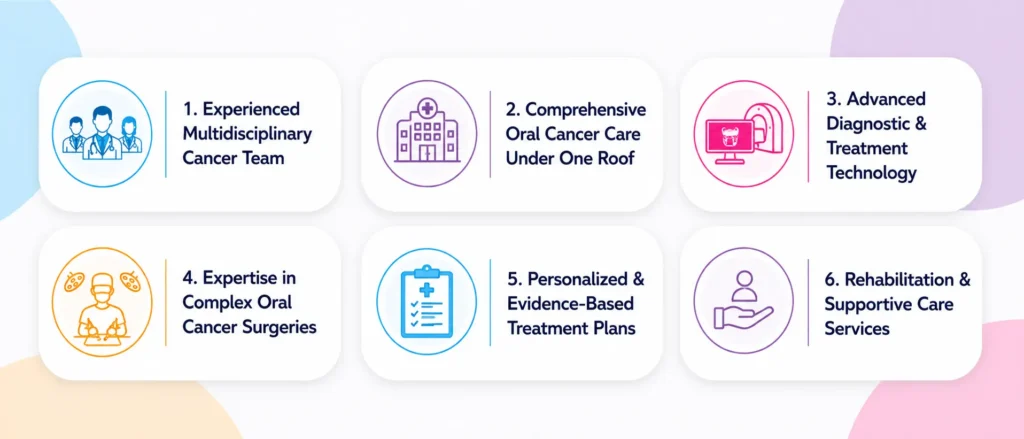
1. Experienced Pediatric Oncology Care
Children receive care from specialists experienced in managing childhood cancers, with attention to their age, diagnosis, health, and developmental needs.
2. Personalised Treatment Plans
Every treatment plan is developed according to the child’s cancer type, stage, overall health, and clinical requirements, ensuring care is specific to their condition.
3. Multidisciplinary Approach
Pediatric oncology care involves collaboration between oncologists, surgeons, radiation specialists, diagnostic teams, and supportive care professionals whenever required.
4. Comprehensive Cancer Care
Healius supports children and families across different stages of care, including diagnosis, treatment planning, therapy, monitoring, and follow-up.
5. Child and Family-Centred Care
Care goes beyond treating the condition by considering the child’s comfort and well-being while keeping parents informed and involved throughout the treatment journey.
What Treatment Options Are Available for Under Pediatric Oncology?
Treatment for childhood cancer depends on the type and stage of cancer, the child’s age, overall health, and how the cancer responds to treatment. A pediatric oncologist in Bangalore may recommend one treatment or a combination of treatments based on the child’s individual needs.
1. Chemotherapy
- Uses anti-cancer medicines to destroy cancer cells or slow their growth.
- Medicines may be given orally, through an IV, by injection, or through other routes depending on the condition.
- Chemotherapy is commonly used for childhood cancers such as leukemia, lymphoma, and several solid tumours.
- It may be used alone or alongside surgery, radiation therapy, or other treatments.
2. Surgery
- Surgery aims to remove the tumour and, when appropriate, a small amount of surrounding tissue.
- It is commonly considered for certain solid tumours affecting organs, bones, or soft tissues.
- Surgery may also be performed to obtain tissue for a biopsy and help confirm the diagnosis.
- Whether surgery is suitable depends on the tumour’s type, size, location, and extent.
3. Radiation Therapy
- Uses high-energy radiation to destroy cancer cells or prevent them from growing.
- It may be used to treat a specific area where the tumour is located.
- Radiation can be recommended before or after surgery or combined with chemotherapy.
- Treatment is carefully planned to limit radiation exposure to nearby healthy tissues, which is particularly important in growing children.
4. Immunotherapy
- Helps the child’s immune system recognise and attack certain cancer cells.
- Different forms of immunotherapy work in different ways and are suitable only for specific cancers.
- It may be considered when standard treatments are less effective or as part of an established treatment plan for certain cancers.
- Eligibility depends on the cancer type, specific biological features, and previous treatment.
5. Targeted Therapy
- Uses medicines designed to act on specific proteins, genes, or other features involved in cancer cell growth.
- Testing of the cancer cells may help determine whether an appropriate treatment target is present.
- It may be used alone or alongside chemotherapy and other cancer treatments.
- Targeted therapy is available only for cancers with certain molecular or genetic characteristics.
6. Stem Cell or Bone Marrow Transplant
- Replaces damaged or diseased blood-forming stem cells with healthy stem cells.
- It may be recommended for certain leukemias, lymphomas, and other high-risk or recurrent childhood cancers.
- High-dose chemotherapy, and sometimes radiation, may be given before transplantation.
- Children require close monitoring before, during, and after the procedure to manage complications and support recovery.
Frequently Asked Questions
What types of cancer does a pediatric oncologist treat?
Pediatric oncology covers childhood cancers such as leukemia, lymphoma, brain and central nervous system tumours, neuroblastoma, Wilms tumour, bone cancers, and certain soft tissue tumours.
Is chemotherapy safe for children?
Chemotherapy is an established treatment for many childhood cancers. At Healius, our expert team led by the best pediatric oncologist in Bangalore carefully plan doses and monitor children throughout treatment to manage these effects.
Do all childhood cancers require chemotherapy?
No, treatment varies depending on the cancer. Some children may need surgery, radiation therapy, targeted therapy, immunotherapy, chemotherapy, or a combination of treatments.
How long does pediatric cancer treatment take?
The duration can range from weeks or months to a few years depending on the type of cancer, treatment plan, response to therapy, and other clinical factors. The pediatric oncology team will explain the expected treatment timeline for the individual child.
Will my child need follow-up care after cancer treatment?
Yes, regular follow-up is an important part of pediatric oncology care. It helps monitor recovery, check for recurrence, assess growth and development, and identify possible long-term effects of treatment.
What should I ask a pediatric oncologist during the first consultation?
Parents may ask about the diagnosis, additional tests, treatment options, expected treatment duration, possible side effects, daily precautions, and follow-up care. It can help to write down questions before the appointment.
How do I find pediatric oncology near me?
When searching for pediatric oncology near me, look for a centre with experienced pediatric oncologists, comprehensive diagnostic and treatment facilities, multidisciplinary care, and ongoing support for children and families. For those in Bangalore, choosing a centre that is easily accessible can also make regular consultations, treatment sessions, and follow-up visits more convenient.
