
Advanced Gallbladder Cancer Treatment at Healius
Gallbladder cancer starts in the gallbladder, but what exactly does that mean? The gallbladder is a small, pear-shaped organ beneath the liver that stores bile and releases it to help the body digest fats. When the cells lining the gallbladder begin to change and multiply uncontrollably, they can form a cancerous growth. Since early symptoms can be subtle or may resemble other digestive problems, gallbladder cancer is sometimes diagnosed at a later stage.
Once diagnosed, understanding the cancer’s stage, location and spread is important for deciding on the right treatment. At Healius, specialists evaluate the tumour along with the patient’s overall health before developing a personalised treatment plan. Depending on the diagnosis, treatment may include surgery, chemotherapy, radiation therapy or a combination of approaches. For patients seeking gallbladder cancer treatment in Bangalore, Healius offers comprehensive, multidisciplinary care tailored to individual treatment needs.
What Are The Symptoms of Gallbladder Cancer?
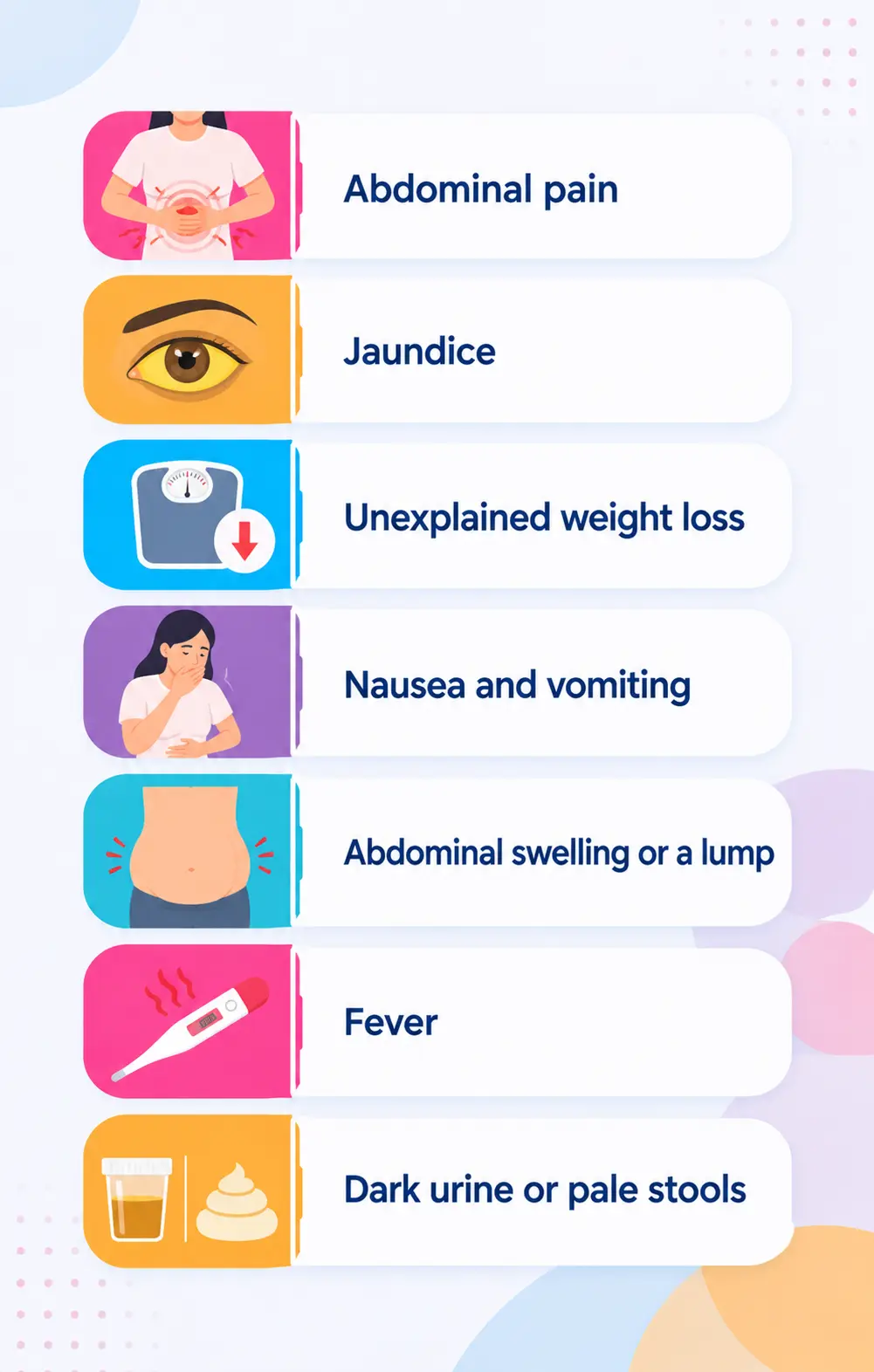
Gallbladder cancer may not cause noticeable symptoms in its early stages, which can make it difficult to detect. As the cancer progresses, certain symptoms may appear. However, these signs can also occur with other gallbladder or digestive conditions, so persistent or unusual symptoms should be evaluated by a doctor.
- Abdominal pain: Persistent pain or discomfort, particularly in the upper right side of the abdomen, may occur as the cancer develops.
- Jaundice: Yellowing of the skin or whites of the eyes can happen when a tumour blocks the bile ducts and affects the flow of bile.
- Unexplained weight loss: Losing weight without changes to your diet or exercise routine can sometimes be associated with advanced cancer.
- Nausea and vomiting: Some people may experience persistent nausea, vomiting or a reduced appetite.
- Abdominal swelling or a lump: A feeling of fullness, swelling or a noticeable lump in the abdomen may develop as the disease progresses.
- Fever: An unexplained or persistent fever may occur in some cases.
- Dark urine or pale stools: Changes in urine or stool colour can occur when the normal flow of bile is affected.
What Causes Gallbladder Cancer?
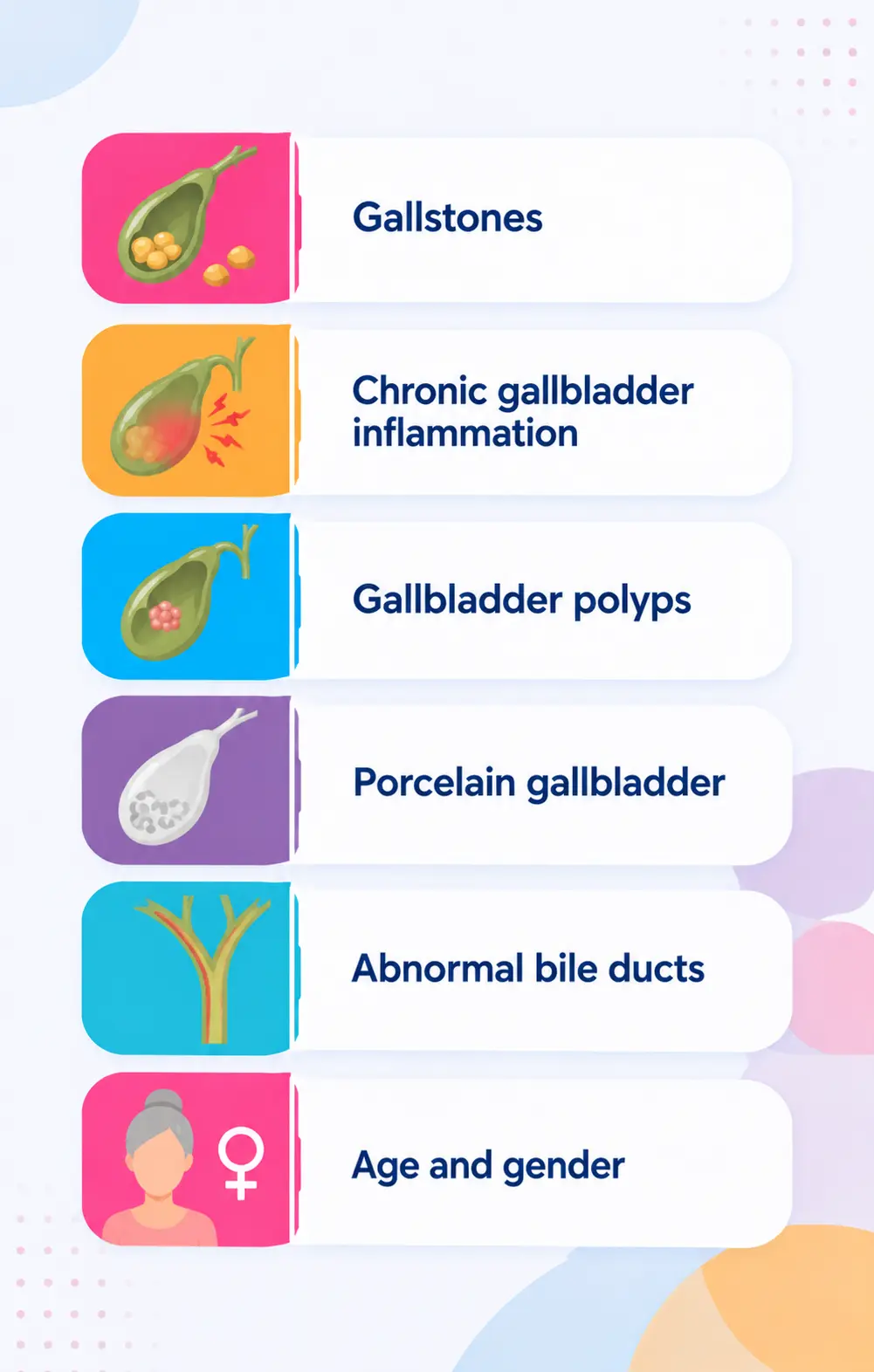
Gallbladder cancer does not have one definite cause. However, certain health conditions and risk factors can increase the chances of developing it. Some of these factors can cause long-term inflammation or changes in the gallbladder cells, which may contribute to cancer development.
- Gallstones: Long-standing gallstones can cause repeated irritation and inflammation of the gallbladder, increasing the risk of cancer.
- Chronic gallbladder inflammation: Persistent inflammation can cause changes in the cells lining the gallbladder over time.
- Gallbladder polyps: Larger or rapidly growing polyps may have a higher risk of becoming cancerous and may require monitoring.
- Porcelain gallbladder: Calcium deposits that build up in the gallbladder wall have been associated with an increased risk of gallbladder cancer.
- Abnormal bile ducts: Conditions such as choledochal cysts and other bile duct abnormalities can increase the risk of developing gallbladder cancer.
- Age and gender: Gallbladder cancer is more frequently diagnosed in older adults and is more common in women than in men.
What Are The Different Types of Gallbladder Cancers?
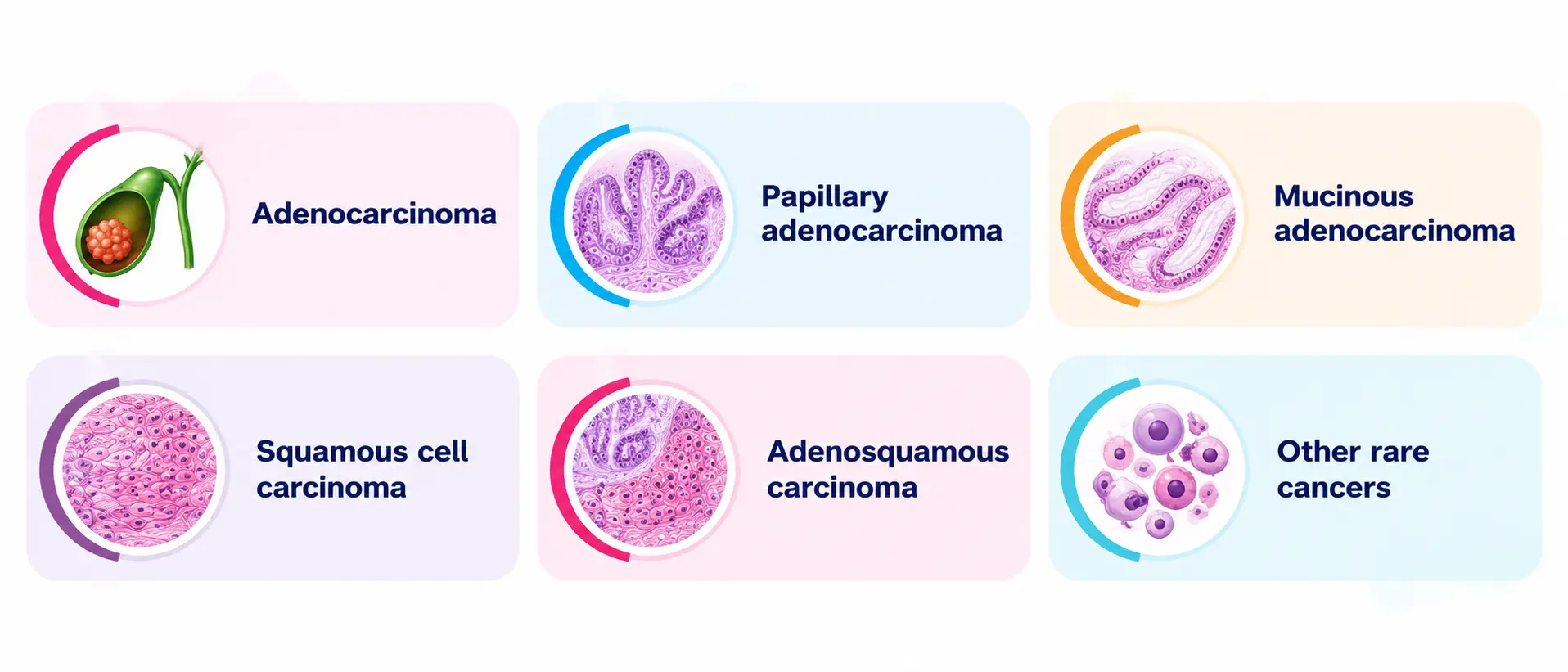
Gallbladder cancer can be classified based on the type of cells where the cancer begins. Most gallbladder cancers are adenocarcinomas, but other, less common types can also develop. Knowing the type helps doctors understand the disease and plan appropriate gallbladder surgery.
- Adenocarcinoma: This is the most common type of gallbladder cancer. It develops from the glandular cells lining the inside of the gallbladder and accounts for the majority of cases.
- Papillary adenocarcinoma: A subtype of adenocarcinoma, this cancer grows in finger-like projections. It is less likely to spread to the liver or nearby lymph nodes compared with some other gallbladder cancers.
- Mucinous adenocarcinoma: This is a rare form of adenocarcinoma in which the cancer cells produce large amounts of mucus. It can be more challenging to identify and treat depending on its stage.
- Squamous cell carcinoma: This uncommon cancer develops from squamous cells and can sometimes grow more aggressively than the more common adenocarcinoma.
- Adenosquamous carcinoma: This rare type contains features of both glandular cells and squamous cells. Its treatment depends on factors such as the tumour’s stage and extent of spread.
- Other rare cancers: Neuroendocrine tumours and sarcomas can also rarely occur in the gallbladder, although they are much less common.
How Does Gallbladder Cancer Treatment Work?
Gallbladder cancer treatment is not the same for everyone. The approach depends on factors such as the type and stage of cancer, whether it has spread, whether it can be removed surgically and the patient’s overall health. At Healius, treatment can involve a combination of surgery, chemotherapy, radiation therapy and other systemic treatments, depending on the individual diagnosis.
Step 1: Confirming the Diagnosis
- Medical evaluation: The doctor reviews symptoms, medical history and overall health.
- Blood tests: Liver function and other blood tests may help identify abnormalities and assess overall health.
- Imaging tests: Ultrasound, CT scans or MRI may be used to examine the gallbladder and surrounding structures.
- Biopsy: In selected cases, a tissue sample may be examined to confirm the presence and type of cancer.
- Specialist assessment: Relevant cancer specialists review the findings to establish the diagnosis and determine the next steps.
Step 2: Staging the Cancer
- Tumour assessment: The size and location of the tumour are evaluated.
- Nearby tissue involvement: Doctors check whether the cancer has grown into surrounding organs or tissues.
- Lymph node evaluation: Nearby lymph nodes may be assessed for signs of cancer.
- Spread to other organs: Imaging may help identify whether the cancer has spread to distant parts of the body.
- Treatment planning: The stage helps doctors determine whether surgery, systemic treatment, radiation or a combination may be appropriate.
Step 3: Planning the Treatment
- Surgery: If the cancer can be removed, surgery may be considered as the primary treatment.
- Chemotherapy: Medicines may be used to destroy cancer cells or slow their growth.
- Radiation therapy: High-energy radiation may be used to target cancer cells in specific areas.
- Systemic treatments: Depending on the cancer, other medicines may be considered to manage the disease.
- Combination therapy: More than one treatment may be recommended to achieve better disease control.
Step 4: Receiving Treatment
- Surgical treatment: The gallbladder and, when necessary, nearby affected tissues may be removed.
- Drug-based treatment: Chemotherapy or other systemic medicines may be administered according to the treatment schedule.
- Radiation sessions: Radiation therapy, when recommended, is generally delivered over planned treatment sessions.
- Supportive care: Symptoms and treatment-related side effects are monitored and managed throughout care.
- Regular reviews: Doctors assess how the patient is responding and whether the treatment remains appropriate.
Step 5: Follow-Up and Ongoing Care
- Follow-up appointments: Regular consultations help assess overall health and recovery.
- Monitoring for recurrence: Doctors may recommend examinations or imaging based on the individual case.
- Managing side effects: Any ongoing effects of treatment can be addressed during follow-up.
- Lifestyle guidance: Patients may receive advice on nutrition, activity and general wellbeing during recovery.
- Long-term support: Continued medical care helps address new concerns and supports the patient’s health after treatment.
What Are The Options Available Under Gallbladder Cancer Treatment?
The choice of gallbladder cancer treatment depends on factors such as the stage of the cancer, whether it has spread, whether it can be removed surgically and the patient’s overall health. Depending on the diagnosis, doctors may recommend one treatment or a combination of approaches.
Treatment Option | What It Involves |
Cholecystectomy for gallbladder cancer | Surgery to remove the gallbladder. Depending on the extent of the cancer, surrounding liver tissue and nearby lymph nodes may also need to be removed. |
Extended Gallbladder Cancer Surgery | For cancers that have grown beyond the gallbladder, surgery may involve removing the gallbladder along with a portion of the liver and nearby lymph nodes. |
Chemotherapy | Uses anti-cancer medicines to destroy cancer cells or slow their growth. It may be recommended before or after surgery or for advanced disease. |
Radiation Therapy | Uses high-energy radiation to target cancer cells. It may be used after surgery or to help control cancer that cannot be completely removed. |
Targeted Therapy | Uses medicines designed to act on specific changes or characteristics found in some cancer cells. Its suitability depends on the tumour’s molecular features. |
Immunotherapy | Helps the immune system recognise and attack cancer cells. It may be considered for certain patients with advanced gallbladder cancer based on specific tumour characteristics. |
Combination Treatment | Surgery, chemotherapy, radiation or other systemic treatments may be combined depending on the cancer stage and the patient’s individual treatment plan. |
Why Choose Healius For Gallbladder Cancer Treatment?
Choosing the right cancer care team can make the treatment journey more structured and easier to navigate. At Healius, patients receive personalised care based on their diagnosis, cancer stage and overall health, with specialists working together to determine an appropriate treatment approach.
- Multidisciplinary Cancer Care
A team of specialists works together to evaluate each case and develop a coordinated treatment plan. This allows different aspects of gallbladder cancer care to be considered before treatment begins.
- Personalised Treatment Plans
Every patient’s cancer is different, so treatment is tailored to the individual’s condition, stage of cancer and overall health. The plan may be adjusted based on the patient’s response to treatment.
- Comprehensive Treatment Options
Patients can be evaluated for different treatment approaches, including surgery, chemotherapy, radiation therapy and other systemic treatments. The appropriate combination depends on the type and extent of the cancer.
- Specialised Surgical Care
When surgery is suitable, procedures such as cholecystectomy for gallbladder cancer may be considered. The extent of surgery depends on whether the cancer has spread beyond the gallbladder.
- Coordinated Cancer Care
From diagnosis and treatment planning to follow-up, care is coordinated across different stages of the treatment journey. Patients can receive ongoing medical guidance as their treatment progresses.
- Patient-Centred Support
Treatment involves more than addressing the cancer itself, so patients are guided through their treatment options and what to expect. The care team also monitors treatment response and helps manage concerns that may arise during care.
FAQ
Frequently Asked Questions
Can gallbladder cancer be completely cured?
Gallbladder cancer can potentially be treated successfully, particularly when it is detected early and can be completely removed. The chances of successful treatment depend on factors such as the cancer stage, whether it has spread and how well it responds to treatment.
Is Gallbladder Cancer Surgery always required?
No, surgery is not suitable or necessary for every patient. Whether Gallbladder cancer surgery is recommended depends on the cancer’s stage, location, spread and whether the tumour can be safely removed.
How long does recovery take after Cholecystectomy for gallbladder cancer?
Recovery can vary depending on the type and extent of surgery performed and the patient’s overall health. When additional liver tissue or lymph nodes need to be removed along with the gallbladder, recovery may take longer than a simpler procedure.
Can gallbladder cancer come back after treatment?
Yes, gallbladder cancer can recur after treatment. Regular follow-up appointments and investigations may be recommended after treatment to monitor recovery and check for any signs of recurrence.
Is gallbladder cancer treatment painful?
Some treatments may cause discomfort or side effects, but pain can generally be managed with appropriate medical care. The experience varies depending on the treatment, including surgery, chemotherapy or radiation therapy.
What should I expect during gallbladder cancer treatment in Bangalore?
Treatment usually begins with specialist evaluation and appropriate investigations, followed by staging and treatment planning. Depending on the diagnosis, gallbladder cancer treatment in Bangalore may involve surgery, chemotherapy, radiation therapy or a combination of treatments.
Can I live normally after gallbladder removal for cancer?
Many people can return to their usual activities after recovering from gallbladder removal. Since the liver continues to produce bile after the gallbladder is removed, most people can digest food normally, although some may experience temporary digestive changes.
When should I consult a specialist for gallbladder cancer?
You should seek medical evaluation if you experience persistent abdominal pain, jaundice, unexplained weight loss or other unusual symptoms. Early specialist assessment can help identify the cause and determine whether further investigations are needed.
How is the best gallbladder cancer treatment decided for each patient?
There is no single treatment that works for everyone. Doctors consider the cancer’s stage, location, spread, whether it can be surgically removed, previous treatments and the patient’s overall health before recommending a treatment plan.
How soon should gallbladder cancer treatment begin after diagnosis?
The timeline depends on the individual’s diagnosis and the investigations required before treatment. Doctors generally need to confirm the cancer’s stage and understand the patient’s overall health before deciding on the most appropriate gallbladder cancer treatment.
