


What Is Gynecological Oncology?
Gynecological oncology is a specialized branch of cancer care focused on the diagnosis, treatment, and management of cancers affecting the female reproductive system, including the cervix, ovaries, uterus, vulva, vagina, and fallopian tubes. While these cancers are grouped under the same specialty, they differ significantly in how they develop, spread, and respond to treatment.
At the heart of gynecological oncology is the understanding that no two cancer journeys are the same. Treatment decisions are guided by several factors, including the type and stage of cancer, the patient’s age, overall health, fertility considerations, and individual treatment goals. By combining expertise across surgical, medical, and radiation oncology, gynecological oncology aims to deliver care that is not only focused on treating the disease but also tailored to the unique needs of each woman.
What Are the Early Signs and Symptoms of Gynecological Cancer?
The early signs of gynecological cancer can vary depending on the type of cancer and the organ affected. In many cases, symptoms may seem mild or resemble common gynecological or digestive concerns, which is why persistent or unusual changes should not be ignored. Some of the most common signs and symptoms include:
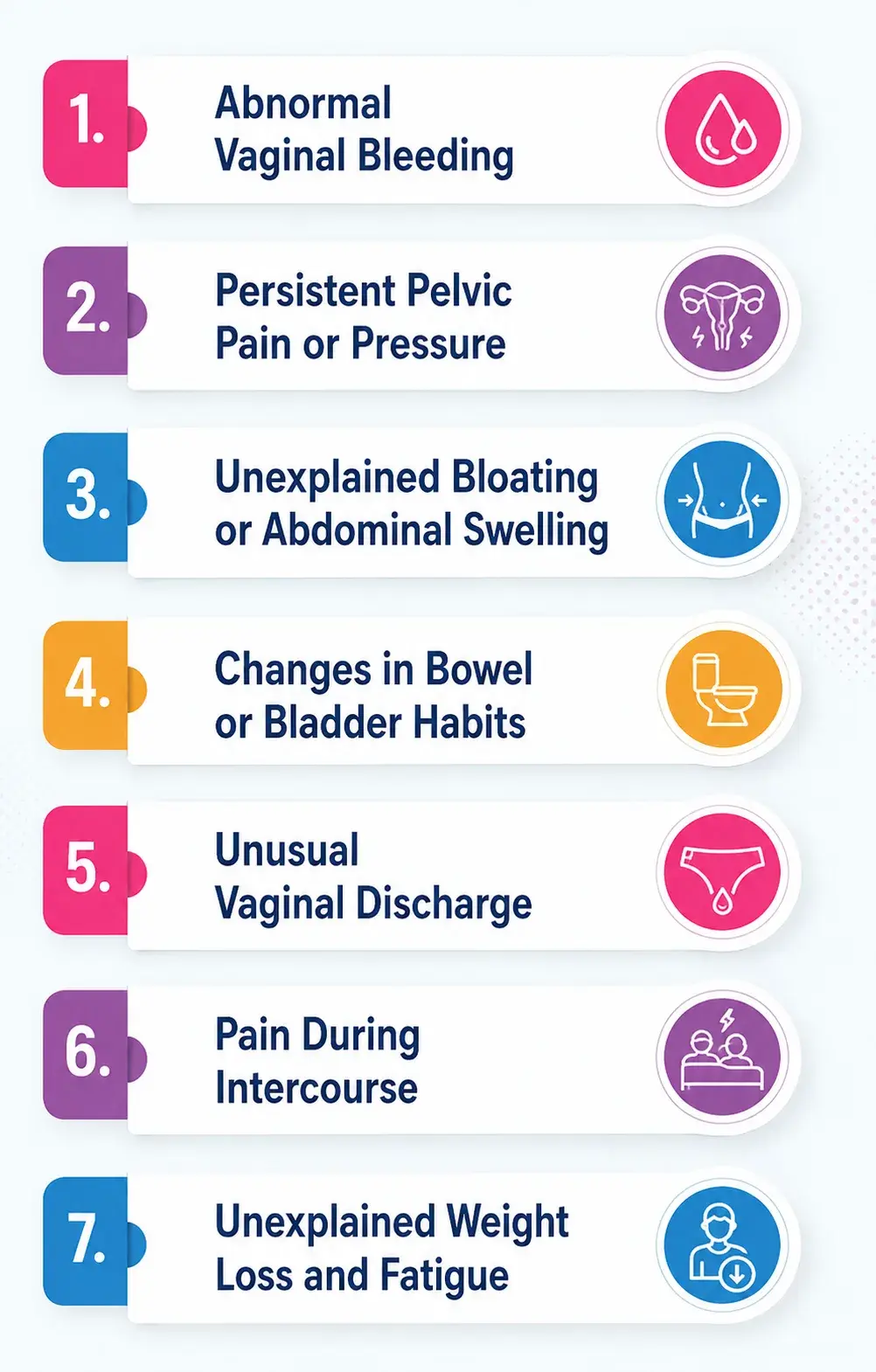
- Abnormal Vaginal Bleeding: Bleeding between periods, unusually heavy menstrual bleeding, bleeding after menopause, or bleeding after intercourse can be an important warning sign, particularly for cervical and uterine cancers.
- Persistent Pelvic Pain or Pressure: Ongoing pain, discomfort, or a feeling of pressure in the pelvic region that does not improve over time should be evaluated by a specialist.
- Unexplained Bloating or Abdominal Swelling: Frequent bloating, a swollen abdomen, or feeling full quickly while eating are symptoms commonly associated with ovarian cancer.
- Changes in Bowel or Bladder Habits: Increased urinary frequency, difficulty emptying the bladder, constipation, or other unexplained changes in bowel habits may indicate an underlying gynecological cancer.
- Unusual Vaginal Discharge: Persistent vaginal discharge that is watery, blood-stained, foul-smelling, or different from what is normal for you should be assessed by a doctor.
- Pain During Intercourse: Discomfort or pain during sexual intercourse can sometimes be linked to cancers affecting the cervix, vagina, or surrounding reproductive organs.
- Unexplained Weight Loss and Fatigue: Losing weight without trying, persistent tiredness, or a noticeable decline in energy levels can occur when cancer affects the body’s normal functioning.
What Causes Gynecological Cancer?
There is no single cause of gynecological cancer. Instead, it develops when genetic changes within cells cause them to grow and divide uncontrollably. While the exact reason this happens is not always known, several factors are known to increase the risk of developing gynecological cancers.
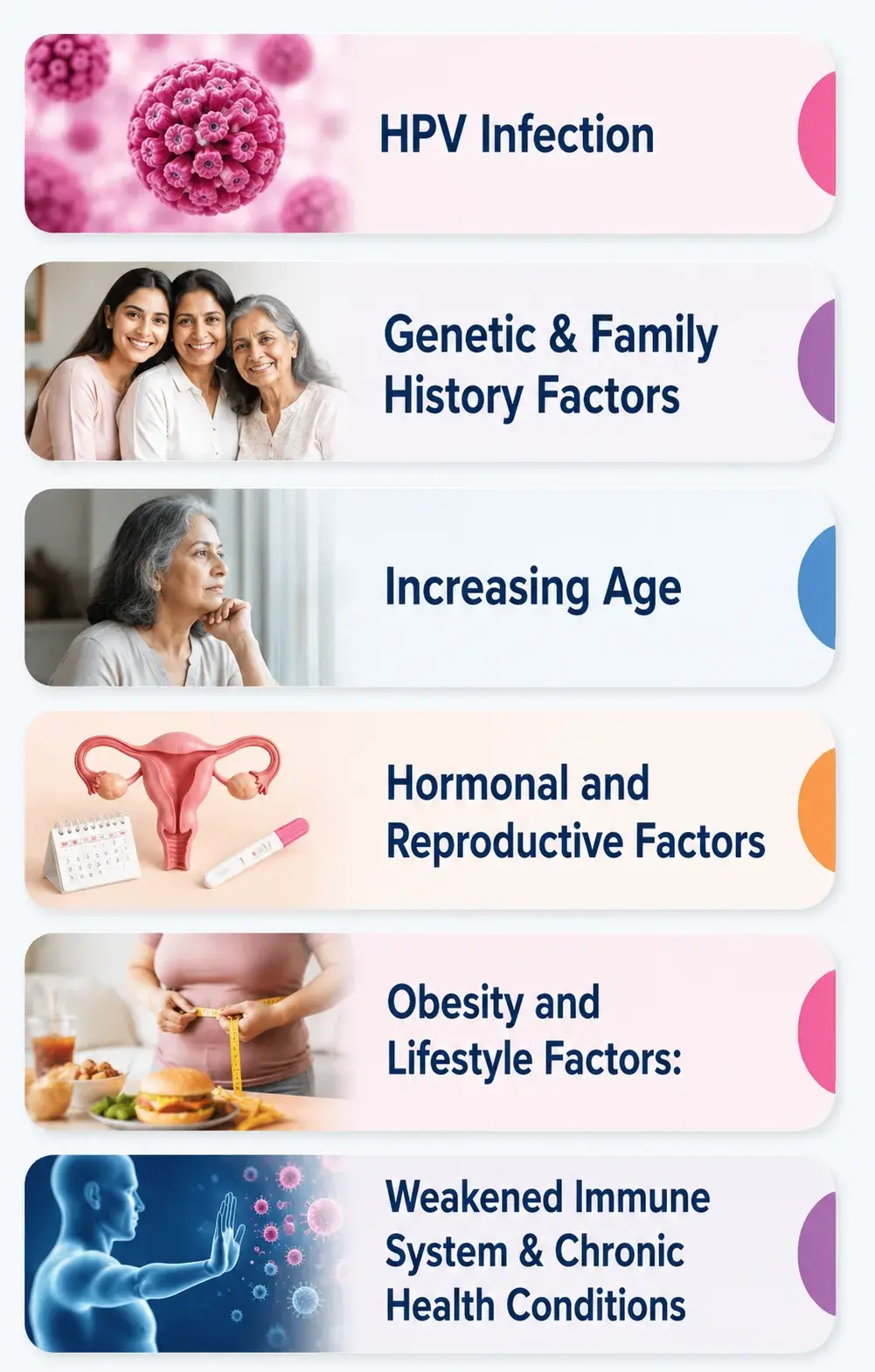
- HPV Infection: Persistent infection with certain high-risk strains of HPV is one of the leading causes of cervical cancer and can also increase the risk of vaginal and vulvar cancers.
- Genetic & Family History Factors: Inherited gene mutations, such as BRCA1 and BRCA2, can significantly increase the risk of ovarian and certain uterine cancers. A family history of gynecological or breast cancer may also raise risk.
- Increasing Age: The risk of many gynecological cancers, particularly ovarian and uterine cancers, increases with age. Most cases are diagnosed in women after menopause, although younger women can also be affected.
- Hormonal and Reproductive Factors: Long-term exposure to estrogen, early menstruation, late menopause, never having been pregnant, or certain hormone-related conditions can contribute to the development of some gynecological cancers.
- Obesity and Lifestyle Factors: Excess body weight is associated with a higher risk of uterine cancer and may also contribute to other gynecological cancers. Physical inactivity and poor dietary habits can further increase risk.
- Weakened Immune System & Chronic Health Conditions: A weakened immune system can make it harder for the body to fight infections such as HPV. Certain chronic medical conditions may also increase susceptibility to cancer development.
What Are the Different Types of Gynecological Cancers?
Gynecological cancer is not a single disease but a group of cancers that affect different parts of the female reproductive system. Each type develops in a specific organ and may present with its own symptoms, risk factors, and treatment approach. The most common types of gynecological cancers include:
- Cervical Cancer
- Develops in the cervix, the lower part of the uterus that connects to the vagina.
- Most cases are linked to persistent infection with high-risk strains of the Human Papillomavirus (HPV).
- Regular Pap smears and HPV screening can help detect precancerous changes before cancer develops.
- Ovarian Cancer
- Begins in the ovaries, which produce eggs and female hormones.
- Often causes subtle symptoms such as bloating, abdominal discomfort, and changes in appetite.
- Early diagnosis can be challenging, making awareness of persistent symptoms important.
- Uterine (Endometrial) Cancer
- Starts in the lining of the uterus, known as the endometrium.
- Abnormal vaginal bleeding, especially after menopause, is one of the most common warning signs.
- It is often diagnosed at an earlier stage compared to some other gynecological cancers.
- Vulvar Cancer
- Affects the external female genital organs, including the labia and surrounding tissues.
- Symptoms may include persistent itching, pain, skin thickening, or a visible lump.
- Early evaluation of unusual vulvar changes can help improve treatment outcomes.
- Vaginal Cancer
- Develops in the tissues of the vagina and is relatively uncommon.
- May cause abnormal vaginal bleeding, unusual discharge, or pelvic discomfort.
- Some cases are associated with HPV infection and may be detected during routine gynecological examinations.
- Fallopian Tube Cancer
- Originates in the fallopian tubes that connect the ovaries to the uterus.
- It is a rare form of gynecological cancer and can present with symptoms similar to ovarian cancer.
- Treatment often involves a combination of surgery and other cancer therapies depending on the stage of the disease.
What Are the Risk Factors for Gynecological Cancer?
| Risk Factor | How It Increases Risk |
| Human Papillomavirus (HPV) Infection | Persistent infection with high-risk HPV strains is a major risk factor for cervical cancer and can also contribute to vaginal and vulvar cancers. |
| Increasing Age | The risk of many gynecological cancers, particularly ovarian and uterine cancers, increases with age, especially after menopause. |
| Family History and Genetic Mutations | Inherited gene mutations such as BRCA1, BRCA2, and Lynch syndrome can significantly increase the risk of ovarian and uterine cancers. |
| Obesity and Excess Weight | Being overweight can increase estrogen levels in the body, raising the risk of endometrial (uterine) cancer and other hormone-related cancers. |
| Hormonal Factors | Early menstruation, late menopause, hormone imbalances, and prolonged estrogen exposure may increase the risk of certain gynecological cancers. |
| Smoking and Tobacco Use | Smoking is associated with a higher risk of cervical, vulvar, and vaginal cancers by damaging cells and weakening the body’s natural defenses. |
| Weakened Immune System | Individuals with weakened immunity may have a reduced ability to fight infections such as HPV, increasing cancer risk. |
| Personal History of Cancer | Women who have previously been diagnosed with breast, ovarian, or other cancers may have a higher risk of developing certain gynecological cancers. |
How Is Gynecological Cancer Diagnosed?
Diagnosing gynecological cancer involves a step-by-step approach to identify the type of cancer, determine its extent, and plan the most effective treatment. The process typically includes:
Step 1: Symptom Assessment & Medical History
The doctor begins by discussing your symptoms, menstrual and reproductive history, family history of cancer, and any other relevant health conditions that may influence your risk.
Step 2: Pelvic Examination
A thorough pelvic examination is performed to check for any abnormalities in the cervix, uterus, ovaries, vagina, and surrounding reproductive organs.
Step 3: Screening Tests
Depending on the suspected cancer type, tests such as a Pap smear and HPV testing may be recommended to detect abnormal cervical cells or high-risk HPV infections.
Step 4: Imaging Studies
Ultrasound, CT scans, MRI scans, or PET scans may be used to obtain detailed images of the reproductive organs and assess the size, location, and possible spread of the disease.
Step 5: Biopsy & Tissue Analysis
If an abnormality is identified, a biopsy is performed to collect a tissue sample. The sample is then examined under a microscope to confirm whether cancer cells are present.
Step 6: Cancer Staging & Treatment Planning
Once cancer is confirmed, additional tests may be conducted to determine the stage of the disease. Based on these findings, the gynecologic oncology team develops a personalized treatment plan tailored to the patient’s specific diagnosis and needs.
Why Is Healius The Best Option For Gynecological Cancer Treatment?
Dedicated Expertise in Gynecologic Oncology
- Gynecological cancers require specialized care and a deep understanding of the female reproductive system.
- At Healius, patients are treated by experienced gynecologic oncology specialists who are skilled in managing a wide range of cancers, including cervical, ovarian, uterine, vulvar, vaginal, and fallopian tube cancers.
Comprehensive Cancer Care Under One Roof
- From initial consultations and diagnostic testing to surgery, chemotherapy, radiation therapy, and follow-up care, every stage of treatment is seamlessly coordinated.
- This integrated approach helps patients receive timely care while reducing the stress of navigating multiple healthcare facilities.
Advanced Diagnostics for Accurate Treatment Planning
- Effective cancer treatment begins with an accurate diagnosis.
- Healius utilizes advanced imaging technologies, pathology services, and diagnostic tools to identify the type and stage of cancer, allowing for precise and well-informed treatment decisions.
Expertise in Complex Gynecological Cancer Surgeries
- Surgery often plays a crucial role in gynecological cancer treatment.
- Our specialists are experienced in performing both minimally invasive and complex oncologic procedures, with a focus on achieving the best possible outcomes while supporting recovery and quality of life.
Personalized Treatment for Every Patient
- No two cancer diagnoses are the same.
- Treatment plans at Healius are carefully tailored based on the type and stage of cancer, overall health, fertility considerations, and individual patient needs, ensuring a more personalized and effective approach to care.
Multidisciplinary Cancer Care Approach
- Every patient benefits from the combined expertise of gynecologic oncologists, medical oncologists, radiation oncologists, radiologists, pathologists, and supportive care specialists. This collaborative approach ensures that all aspects of treatment are considered before a care plan is finalized.
Compassionate Support Beyond Treatment
- Cancer care extends beyond medical procedures and therapies.
- At Healius, patients receive ongoing support throughout their treatment journey, including symptom management, counselling, survivorship planning, and long-term follow-up care designed to help them move forward with confidence.
What Options Under Gynecological Cancer Treatment in Bangalore?
The treatment approach for gynecological cancer depends on the type of cancer, its stage, overall health, and individual treatment goals. Common treatment options include:
Gynecological Cancer Surgery
- Often the first line of treatment for many gynecological cancers.
- Aims to remove the tumor and, when necessary, affected surrounding tissues or lymph nodes.
- May be performed using open, laparoscopic, or robotic-assisted techniques depending on the condition.
Chemotherapy
- Uses anti-cancer drugs to destroy cancer cells or slow their growth.
- May be recommended before surgery, after surgery, or as the primary treatment in advanced cases.
- Can be administered intravenously or through oral medications depending on the treatment plan.
Radiation Therapy
- Uses high-energy radiation to target and destroy cancer cells.
- Commonly used for cervical, uterine, vaginal, and vulvar cancers.
- May be combined with surgery or chemotherapy for improved treatment outcomes.
Targeted Therapy
- Focuses on specific proteins, genes, or pathways that help cancer cells grow.
- Designed to attack cancer cells while minimizing damage to healthy tissues.
- Often used for selected ovarian and advanced gynecological cancers.
Immunotherapy
- Helps the body’s immune system identify and fight cancer cells more effectively.
- May be recommended for certain recurrent or advanced gynecological cancers.
- Can be used alone or alongside other cancer treatments.
Hormone Therapy
- Used for cancers that are influenced by hormonal changes, particularly some uterine cancers.
- Works by blocking or lowering hormone levels that support cancer growth.
- May be recommended as part of a long-term treatment strategy in selected patients.
Palliative and Supportive Care
- Focuses on managing symptoms, reducing treatment-related side effects, and improving quality of life.
- Includes pain management, nutritional support, emotional counselling, and rehabilitation services.
- Can be provided alongside active cancer treatment at any stage of care.
Frequently Asked Questions
When should I consult a gynecologic oncologist?
You should consult a gynecologic oncologist if you have persistent symptoms, abnormal test results, a confirmed gynecological cancer diagnosis, or a strong family history of gynecological cancers.
Is surgery always required for gynecological cancer?
Not always, because while surgery is a common treatment option, some patients may benefit from chemotherapy, radiation therapy, targeted therapy, or immunotherapy depending on their diagnosis and overall health.
Can gynecological cancer be cured?
Many gynecological cancers can be successfully treated, especially when diagnosed early. Treatment outcomes depend on factors such as the type of cancer, stage at diagnosis, and response to treatment.
Can gynecological cancer affect fertility?
Yes, certain treatments may affect fertility, but fertility-preserving options may be available for eligible patients depending on the type and stage of cancer.
How long does gynecological cancer treatment take?
Treatment duration varies depending on the type and stage of cancer and the therapies involved. Some patients may require treatment for a few weeks, while others may undergo treatment over several months.
Where can I find specialized gynecological cancer treatment in Bangalore?
While choosing a hospital for Gynecological Cancer, people choose Healius as the hospital offers comprehensive gynecological cancer treatment in Bangalore through a dedicated team of gynecologic oncology specialists, medical oncologists, surgical oncologists, and supportive care experts.
