
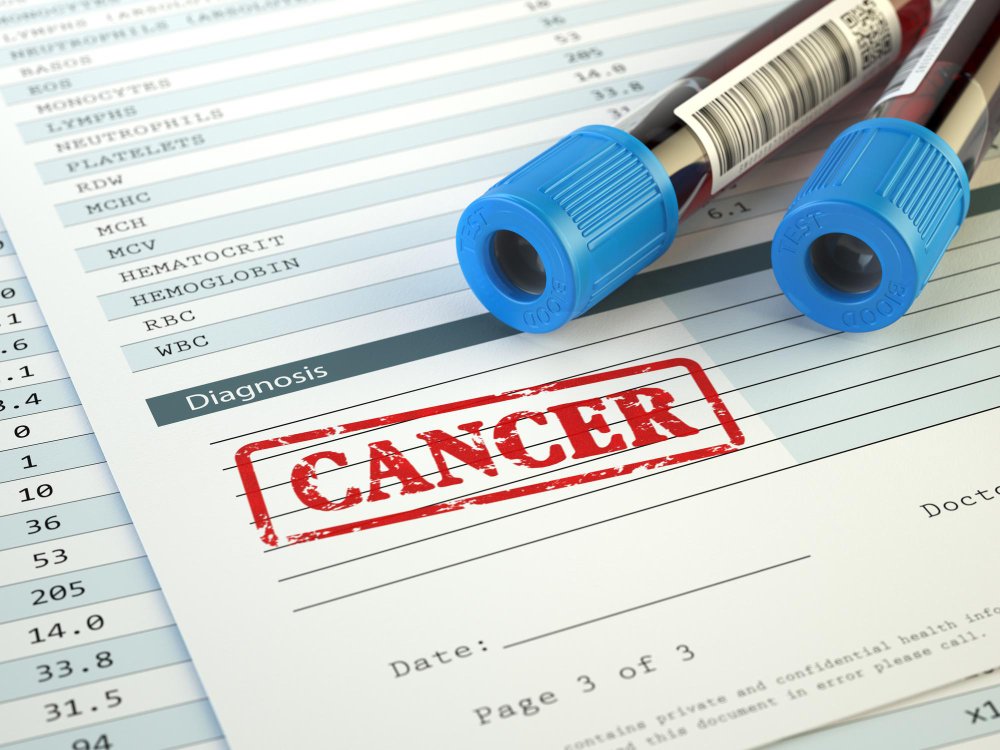
How Is Cancer Diagnosed If There Are No Symptoms?
Most people associate cancer with a noticeable change in the body. It could be a lump that was not there before, unexplained weight loss, unusual bleeding, a persistent cough, or a wound that does not heal. These changes often encourage people to visit a doctor and get themselves checked. But what happens when there are no warning signs at all? Can cancer still be present even when a person feels completely healthy?
The answer is yes. Some cancers can develop and grow for a considerable period without causing obvious symptoms. In certain cases, they are discovered during routine health check-ups, screening tests, or investigations carried out for an unrelated medical concern. This is one reason why understanding how is cancer diagnosed if there are no symptoms matters, even if you feel well and have no immediate reason to worry about your health.
Cancer does not always cause discomfort in its early stages. A small tumour may not press against nearby organs, affect their functioning, or produce noticeable changes. Some cancers also develop in parts of the body where early changes are difficult to detect without medical investigations. This means that the absence of symptoms cannot always rule out cancer. At the same time, it is important to remember that feeling healthy does not automatically mean you need extensive cancer testing. Screening recommendations depend on factors such as your age, personal and family medical history, lifestyle, and known risk factors.
In this blog, we will explain how doctors detect cancer in people who have no symptoms, which screening tests may be recommended, how abnormal findings are investigated, and when specialist care may be necessary. We will also discuss how early detection fits into the broader journey of cancer care, including access to Cancer Treatment in Bangalore, so you can make informed decisions without unnecessary fear.

Can Cancer Develop Without Causing Symptoms?
Yes, cancer can develop without producing noticeable symptoms, particularly during its early stages. However, this does not happen in every case, and the likelihood of detecting cancer without symptoms varies depending on the type of cancer, its location, and the person’s individual risk factors.
Here are five important things to understand.
1. Early-stage cancers may be too small to cause noticeable changes
- A tumour may begin as a small group of abnormal cells. At this point, it might not interfere with the normal functioning of nearby tissues or organs. Since there may be no pain, swelling, or other obvious change, a person may continue with everyday activities without realising anything is wrong.
- For example, some early breast cancers can be detected through mammography before a lump becomes noticeable.
- Similarly, cervical screening can identify certain precancerous changes before they develop into cancer or cause symptoms.
2. Some organs do not produce obvious warning signs in the early stages
- The location of a cancer plays a major role in whether symptoms appear. A growth in an area that does not affect essential functions immediately may remain unnoticed for some time.
- Certain cancers of the kidney, liver, pancreas, or ovary may not produce clear symptoms in their early stages.
- However, this does not mean every person needs routine scans for these cancers. Doctors consider the available evidence, symptoms, family history, and specific risk factors before recommending investigations.
3. Symptoms may be mild enough to go unnoticed
- Not every warning sign is dramatic. Some people experience subtle changes that they may attribute to stress, ageing, hormonal fluctuations, dietary habits, or a busy lifestyle.
- A person might notice a small change in bowel habits or feel slightly more tired than usual without considering it significant.
- These changes are common and usually have causes other than cancer. However, persistent, unexplained, or progressively worsening changes deserve medical attention, even if they do not interfere greatly with daily life.
4. Cancer may be discovered during tests for another condition
- Sometimes, a doctor orders an imaging test or blood investigation to evaluate an unrelated concern. The results may reveal an unexpected abnormality that needs further assessment.
- For instance, a scan performed to investigate a kidney stone may identify an unusual finding in a nearby organ.
- This is sometimes called an incidental finding. It does not automatically indicate cancer, but the doctor may recommend additional investigations to understand what it means.
5. Having no symptoms does not mean you should get every possible test
- It is equally important not to assume that you need extensive testing simply because cancer can be silent. Whole-body scans, repeated blood tests, and tumour marker tests are not appropriate screening methods for everyone.
- Tests can produce false-positive results, reveal harmless abnormalities, cause unnecessary anxiety, and lead to additional procedures. Some investigations also involve radiation or other risks. A doctor can help you determine which screening tests are appropriate for your age, health history, and individual risk.
Which Cancer Screening Tests Can Detect Disease Before Symptoms Appear?
Screening tests are useful for certain cancers because they can identify early disease or changes that may develop into cancer. However, screening recommendations vary by cancer type, and not every cancer has an established screening test for people at average risk.
Here are five screening approaches worth understanding.
1. Mammography for breast cancer
- Mammography uses low-dose X-rays to examine breast tissue. It can identify certain changes, including small abnormalities, before they can be felt as a lump.
- The appropriate age to begin screening and the frequency of mammography depend on individual risk and the guidelines followed by the treating clinician.
- People with a strong family history or certain inherited genetic variants may need a different screening plan.
- A suspicious mammogram does not automatically mean breast cancer. Additional imaging or a biopsy may be recommended to determine the nature of the finding.
2. Cervical screening for cervical cancer
- Cervical screening can identify high-risk human papillomavirus (HPV) infections or abnormal cervical cells associated with an increased risk of cervical cancer.
- Depending on the screening programme, testing may involve an HPV test, a Pap test, or a combination of approaches. The purpose is to identify relevant changes before they progress to invasive cancer.
- An abnormal result often means that further assessment or follow-up is needed, not that cancer has already developed.
- A clinician can explain the result and recommend the next step based on the type of abnormality and the person’s history.
3. Colorectal cancer screening
- Colorectal cancer screening looks for signs of cancer or precancerous growths in the colon and rectum. Options may include stool-based tests and colonoscopy, depending on the person’s risk and the local screening recommendations.
- Some stool tests look for hidden blood, while others assess markers associated with colorectal cancer.
- A colonoscopy allows a doctor to examine the lining of the bowel and, when appropriate, remove certain polyps for laboratory assessment.
- A positive stool-based screening result generally requires further evaluation, often with colonoscopy. It does not by itself confirm cancer.
4. Low-dose CT for selected people at high risk of lung cancer
- Low-dose computed tomography (CT) may be recommended for certain people who have a significant smoking history and meet established eligibility criteria. It can identify lung nodules before symptoms appear.
- This test is not generally intended for every person who has never smoked or has no recognised risk factors. Small nodules are relatively common and may be benign, so results need careful interpretation and follow-up when indicated.
- A doctor can assess smoking history, age, and other relevant factors to determine whether lung cancer screening is appropriate.
5. Risk-based screening for people with inherited cancer susceptibility
- People with certain inherited genetic variants or a strong family history may need additional surveillance for specific cancers. The exact plan depends on the genetic finding, family history, and clinical guidance.
- For example, some individuals at increased risk of breast or ovarian cancer may be advised to undergo earlier or more intensive monitoring. Others may need specialist assessment for hereditary colorectal cancer or other inherited cancer syndromes.
- Genetic risk does not mean that cancer is inevitable. It helps clinicians decide whether screening should begin earlier, occur more frequently, or include methods that are not routinely recommended for people at average risk.

Screening Tests vs Diagnostic Tests: What Is the Difference?
Screening and diagnostic testing may both be part of cancer detection, but they serve different purposes. Understanding this difference can help you know what to expect if a doctor recommends an investigation despite your having no symptoms.
| Screening Tests | Diagnostic Tests |
| Usually offered to eligible people who do not have symptoms. | Used to investigate symptoms, abnormal screening results, or suspicious findings. |
| Aim to identify signs of certain cancers or precancerous changes early. | Aim to determine the cause of an abnormality and establish a diagnosis. |
| Recommended according to age, individual risk, and screening guidelines. | Selected according to the suspected condition and previous test results. |
| Examples include mammography, cervical screening, and colorectal cancer screening. | Examples include diagnostic imaging, endoscopy, and biopsy. |
| A positive result does not automatically mean cancer is present. | A diagnosis may require examination of tissue by a pathologist. |
| May need to be repeated at recommended intervals. | Timing depends on the findings, the person’s clinical situation, and the urgency of further assessment. |
What happens if a screening test is abnormal?
An abnormal result is a reason to investigate further, not a reason to assume the worst. Doctors review the result, consider the person’s risk factors, and decide whether additional testing is necessary.
For example, an abnormal mammogram may be followed by additional breast imaging and, in some cases, a biopsy. An abnormal cervical screening result may lead to repeat testing or a closer examination of the cervix. A positive colorectal screening test may require colonoscopy.
Some findings turn out to be benign or temporary. Others may indicate precancerous changes or cancer that needs treatment. The follow-up plan depends on the specific result, so it is important to complete the recommended assessment rather than ignore the finding or assume it confirms a serious diagnosis.
Why a biopsy may be needed
A biopsy involves collecting a small sample of tissue or cells so that they can be examined in a laboratory. When cancer is suspected, this examination can help establish whether the abnormal cells are cancerous and, in many cases, identify the cancer type.
Not every abnormal scan requires a biopsy. Sometimes, a doctor can assess a finding through imaging or recommend monitoring it over time. In other situations, a tissue sample is necessary to reach a reliable diagnosis.
Your doctor will explain why a biopsy is being considered, how it is performed, and what the possible results could mean for your care.
Who Should Consider Cancer Screening Even Without Symptoms?
Not everyone needs the same screening plan. Some people are at average risk, while others may benefit from earlier or more frequent screening because of their personal or family history.
Consider these five factors when discussing screening with a doctor.
1. Your age
- The risk of several cancers increases with age, which is why screening recommendations often include age-based criteria.
- However, the recommended starting age and frequency differ between cancer types and screening programmes.
- Rather than arranging tests simply because you have reached a certain birthday, ask your doctor which screenings are appropriate for you.
- They can consider your age alongside other risk factors and local guidelines.
2. Your family history
- If close relatives have had cancer, especially at younger ages or in patterns associated with inherited cancer syndromes, it is worth discussing this with a clinician.
- A family history does not automatically mean you will develop cancer.
- However, it may influence whether genetic counselling, testing, or an adjusted screening plan is appropriate.
- Try to share the type of cancer, the relative affected, and their approximate age at diagnosis when possible.
- These details can help the doctor assess whether the family history suggests a higher-than-average risk.
3. Smoking and other known risk factors
- Smoking is a major risk factor for several cancers, including lung cancer.
- Other risk factors vary by cancer type and may include certain infections, occupational exposures, previous medical conditions, or specific lifestyle factors.
- Having a risk factor does not mean that cancer is inevitable. It helps doctors decide whether a particular screening test or preventive measure may be useful.
- If you smoke or have smoked in the past, share your smoking history honestly with your doctor. This can help determine whether you meet the criteria for low-dose CT lung cancer screening.
4. Previous precancerous changes or certain medical conditions
- Some people may need closer monitoring because they have previously had precancerous changes, certain chronic conditions, or a history of treatment that affects their future cancer risk.
- The appropriate follow-up depends on the condition, the treatment received, and the person’s current health.
- A specialist can advise whether surveillance should continue and how often it should take place.
- Do not assume that a normal result from a previous test means you will never need another one. Equally, do not repeat investigations more frequently than advised without discussing the benefits and risks.
5. Inherited genetic changes
- Certain inherited genetic variants are associated with a higher risk of particular cancers. People who know they carry such a variant may need a personalised plan involving specialist surveillance and risk-reduction discussions.
- Genetic testing is not necessary for everyone. It is generally considered when personal or family history suggests that the result could meaningfully influence medical decisions.
- A genetic counsellor or appropriately trained specialist can explain what the test can and cannot tell you, including the possible implications for biological relatives.
Why Consider Healius for Cancer Care in Bangalore?
When cancer is suspected or diagnosed, having access to appropriate specialist guidance can make the next steps easier to understand. Healius offers a setting for people seeking information about cancer evaluation and care, including those exploring Cancer Treatment in Bangalore.
A successful cancer care journey begins with understanding the patient’s medical history, reviewing relevant reports, and identifying which investigations are necessary. If further assessment is needed, patients should receive clear explanations about the purpose of each test, what the results may indicate, and which specialist should guide the next step. Once a diagnosis is established, the care team can discuss suitable treatment options according to the cancer type, stage, and individual needs.
For people comparing options for the Best Cancer Hospital in Bangalore, it is sensible to look beyond a title and consider the experience of the specialists, the availability of relevant diagnostic services, coordination between care teams, communication, and follow-up support. Ask questions about the services available at Healius, the specialists involved in your care, and how your treatment plan will be coordinated. Choosing care based on your actual medical needs and receiving understandable information can help you approach the process with greater confidence.

Understanding Cancer Detection Beyond the Warning Signs
Cancer detection is not always a story that begins with pain, discomfort, or a symptom that refuses to go away. Sometimes, a person discovers an abnormality during a routine screening test despite feeling perfectly healthy. In other cases, a doctor identifies an unexpected finding while investigating an unrelated concern. These situations can raise understandable questions, particularly when there was no obvious reason to suspect a problem in the first place.
Understanding how is cancer diagnosed if there are no symptoms begins with recognising the role of screening, individual risk assessment, and appropriate follow-up investigations. Mammography, cervical screening, colorectal screening, and selected tests for people at increased risk can help identify certain cancers or precancerous changes before symptoms develop. When a result is abnormal, further assessment may involve imaging, laboratory investigations, or a biopsy. The aim is to establish what the finding means rather than assume that every abnormal result indicates cancer.
This is particularly relevant if you regularly invest in your appearance and overall well-being. Skincare routines, aesthetic treatments, exercise, and healthy habits can be part of looking after yourself, but they cannot replace appropriate medical screening. Likewise, an ordinary skin concern does not automatically indicate cancer. The important thing is to seek medical advice when a change is persistent, unexplained, or requires professional assessment.
Most importantly, remember that the absence of symptoms does not always rule out cancer, but it also does not mean that you should live in fear of developing it. Informed screening, timely follow-up, and clear communication with your medical team can help you make decisions based on evidence rather than uncertainty. The goal is not to search for illness everywhere. It is to understand your personal health needs and take the right steps at the right time.
