
What Tests Are Done to Detect Cancer?
Hearing the words “you need to get tested for cancer” can make even a routine medical appointment feel suddenly serious. You may start wondering what the tests involve, whether they will be painful, how many tests you will need, and perhaps most importantly, whether an abnormal result automatically means cancer. It does not. Many symptoms and abnormal test results can have causes that are not cancer, which is why doctors usually use a combination of information and tests before reaching a diagnosis.
So, what tests are done to detect cancer? There is no single test that can detect every type of cancer. Depending on your symptoms, medical history and the part of the body being investigated, your doctor may recommend a physical examination, blood or urine tests, imaging scans, an endoscopy, a biopsy or more specialised laboratory tests. A biopsy is often needed to confirm that abnormal cells are cancerous and to determine the type of cancer.
For someone looking into Cancer Treatment in Bangalore, knowing how the diagnostic process works can make the first consultation less overwhelming. You will also understand why your doctor may recommend several tests instead of immediately jumping to a treatment plan.
The most important thing to remember is that getting a test does not mean you have cancer. It simply means your doctor wants more information. The right test depends on the situation, and understanding why each test is being recommended can help you approach the process with greater clarity.
What Happens Before Cancer Tests Are Recommended?
Cancer diagnosis usually begins with a conversation, not a scan. Your doctor first needs to understand what is happening with your body and why further investigation may be necessary.
1. Your symptoms are discussed
You may be asked about symptoms such as unexplained weight loss, persistent pain, unusual bleeding, a lump, changes in bowel or bladder habits, a persistent cough or changes in the skin. Having these symptoms does not automatically mean cancer, but persistent or unexplained symptoms may need evaluation.
2. Your medical history is reviewed
Your doctor may ask about previous illnesses, medications, previous procedures and other health conditions. This information can help determine which tests are appropriate.
3. Your family history may be considered
Certain cancers can run in families. Your doctor may ask whether close relatives have had cancer and, if so, what type and at what age.
4. A physical examination may be performed
Depending on your symptoms, the doctor may examine areas such as your abdomen, lymph nodes, skin, breasts or other parts of your body.
5. Previous reports may be reviewed
If you have already undergone blood tests, scans or other investigations, take those reports with you. Your doctor may be able to identify patterns or decide whether additional testing is needed.
6. Your risk factors may be discussed
Age, smoking, alcohol use, occupational exposures, previous medical conditions and other factors may influence which cancers a doctor considers.
This initial evaluation helps doctors decide what to investigate next. It also prevents unnecessary testing when a symptom may have a more common explanation.
8 Common Tests Used to Detect or Diagnose Cancer
When people ask what tests are done to detect cancer, they often expect one particular test. In reality, doctors have several diagnostic tools available, and they may use them together.
1. Blood Tests
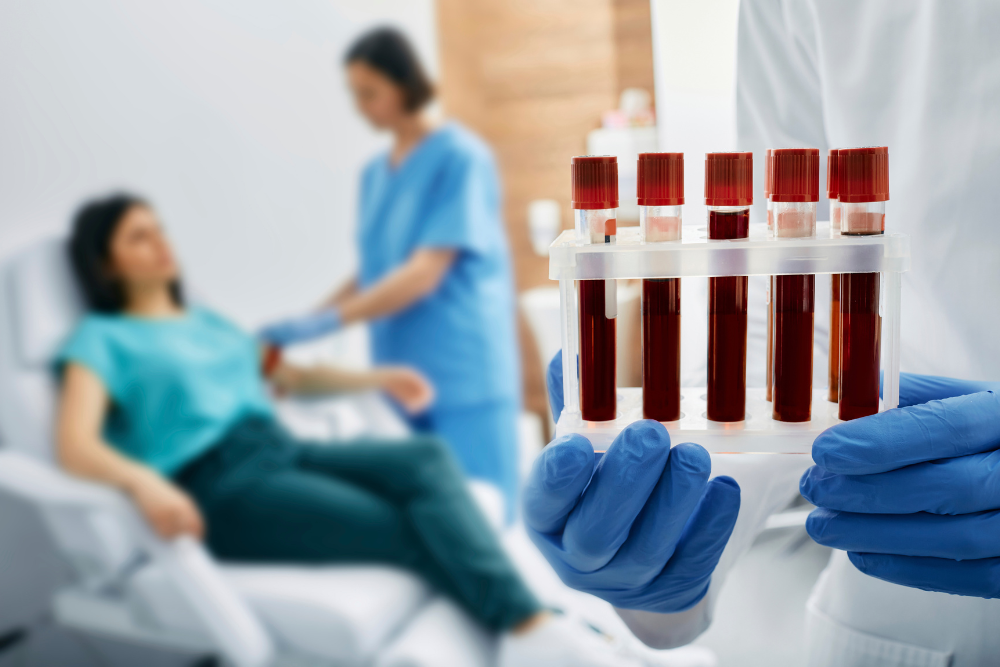
Blood tests are often among the first investigations doctors order. They can provide information about your overall health and may reveal abnormalities that need further investigation.
Some common blood tests include:
- Complete Blood Count: A CBC measures red blood cells, white blood cells and platelets. It can provide useful information about blood health and can help in the diagnosis of certain cancers, particularly some blood cancers.
- Blood chemistry tests: These measure substances in the blood that can provide information about organs such as the liver and kidneys.
- Blood protein tests: Certain changes in blood proteins may provide clues about particular diseases.
- Tumour marker tests: These measure certain substances associated with some cancers. However, an elevated tumour marker does not automatically mean a person has cancer.
- Specialised blood tests: Depending on the suspected cancer, doctors may order additional tests to look for specific genetic or molecular changes.

2. Imaging Tests
Imaging tests allow doctors to look inside the body without making a surgical incision. They can help identify an abnormal area, understand its location and assess whether cancer may have spread.
- CT Scan: A CT scan uses X-rays and computer processing to create detailed images of the body. Depending on the area being examined, contrast material may be used to make certain structures easier to see. CT scans can help doctors understand the size and location of a tumour and look for signs that cancer may have spread.
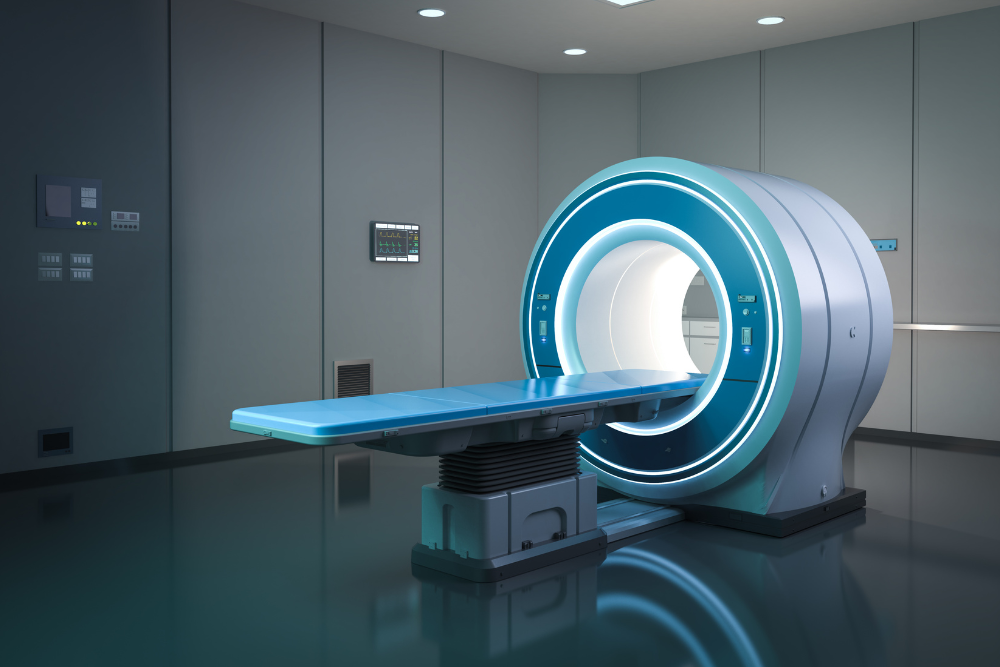
- MRI Scan: MRI uses magnetic fields and radio waves to produce detailed images of the body’s tissues. It is particularly useful for examining certain soft tissues and organs.
- Ultrasound: Ultrasound uses sound waves to create images. It is commonly used to examine areas such as the abdomen, pelvis, thyroid and breasts, among others. It can also help guide certain biopsies.
- PET Scan: A PET scan uses a radioactive tracer to show areas of increased activity within the body. Cancer cells may take up more glucose than some normal cells, which can make certain cancers visible on PET imaging.
- X-ray: X-rays can provide images of areas such as the chest and may be used as part of an investigation depending on symptoms. Imaging does not always tell a doctor whether an abnormal area is definitely cancer. Sometimes an imaging finding needs to be investigated further with a biopsy.
3. Biopsy
If there is one test patients should understand when asking what tests are done to detect cancer, it is the biopsy. A biopsy involves removing a sample of cells or tissue from an abnormal area so that a pathologist can examine it. In many cases, this is the test used to confirm whether cancer is present.
A biopsy can be performed in different ways depending on where the suspected abnormality is located.
- Fine Needle Aspiration: A thin needle is used to remove cells or fluid from an area that needs investigation.
- Core Needle Biopsy: A slightly larger needle is used to remove a small cylinder of tissue. This provides more tissue for examination than a fine needle aspiration.
- Endoscopic Biopsy: If an abnormal area is inside the digestive tract, airways or another accessible passage, an endoscope may be used to examine the area and collect tissue.
- Incisional Biopsy: Only part of an abnormal area is removed for examination.
- Excisional Biopsy: The entire abnormal area may be removed in certain circumstances.
Once the tissue reaches the pathology laboratory, it can be examined under a microscope and may undergo additional tests to determine the cancer type and other characteristics.
4. Endoscopy Tests
Sometimes doctors need to look directly inside the body rather than relying only on external imaging. This is where endoscopy can be useful. An endoscope is a thin instrument with a light and camera that allows a doctor to examine the inside of certain organs or body passages. It can also allow tissue samples to be collected.
Some commonly used endoscopic procedures include:
- Colonoscopy: A doctor examines the colon and rectum. It can help identify abnormal growths, polyps or areas that need further investigation.
- Upper GI Endoscopy: This allows doctors to examine parts of the upper digestive system, including the oesophagus and stomach.
- Bronchoscopy: A bronchoscope can be passed through the nose or mouth into the airways to examine the respiratory tract and collect samples when necessary.
- Cystoscopy: A specialised scope is used to examine the inside of the bladder and urinary tract.
- Biopsy during endoscopy: If an abnormal area is seen, tissue can sometimes be collected during the same procedure for laboratory examination.

Screening Tests vs Diagnostic Tests
This is one distinction that is worth understanding before you start searching what tests are done to detect cancer online.
| Screening Tests | Diagnostic Tests |
| Usually performed in people who do not have symptoms | Usually performed when there are symptoms, abnormal screening results, or another reason for concern |
| Aim to find certain cancers early | Aim to determine what is causing a symptom or abnormal finding |
| Used for specific cancers where screening has an established role | Selected according to the person’s symptoms and clinical situation |
| Examples include mammography, cervical screening, and colorectal cancer screening | Examples include biopsy, CT, MRI, ultrasound, blood tests, and endoscopy |
| A positive screening result does not automatically mean cancer | Diagnostic testing may be needed to confirm or rule out cancer |
Screening is not recommended as one universal test for every type of cancer. Established screening programmes exist for certain cancers, and recommendations can vary based on age, risk and other factors.
Breast Cancer Screening: Mammography is an established screening test for breast cancer. If a screening mammogram shows an area that needs closer examination, additional imaging or a biopsy may be recommended.
Cervical Cancer Screening: HPV testing and Pap testing are used for cervical cancer screening. These tests can identify certain changes before cervical cancer develops or identify cancer early.
Colorectal Cancer Screening: Screening options include stool-based tests, colonoscopy and other approved methods. Some screening methods can also detect certain polyps that may be removed before they develop into cancer.
Tumour Marker Tests: Can a Blood Test Tell You If You Have Cancer?
Tumour markers can be confusing because they are often described online as “cancer blood tests.” The reality is more nuanced.
Tumour markers are substances that may be produced by cancer cells or by other cells in response to cancer. Doctors may measure them in blood, urine or tissue depending on the marker.
- They can sometimes help with diagnosis: Certain tumour markers may provide additional information when a specific cancer is suspected.
- They can help monitor treatment: Changes in a tumour marker over time may help doctors assess how a cancer is responding to treatment in situations where that marker is useful.
- They can help monitor recurrence: Some tumour markers may be monitored after treatment to look for signs that a cancer has returned.
- They can help with treatment decisions: Certain molecular markers can indicate whether a patient may benefit from a particular targeted treatment.
- They are not a universal cancer test: An elevated tumour marker does not automatically mean cancer. Non-cancerous conditions can also raise some tumour marker levels, and not every person with a particular cancer will have an elevated marker. This is why tumour markers are generally interpreted alongside other tests.
So if you are wondering what tests are done to detect cancer, remember that a tumour marker test is only one piece of the diagnostic puzzle.
What Tests Are Used to Find Out the Stage of Cancer?
Finding cancer is only the beginning. Once cancer has been confirmed, doctors usually need to understand how extensive it is.
This is called staging.
The tests used for staging depend on the cancer. Doctors may use:
- CT Scans: These can provide detailed images of different parts of the body and may help identify whether cancer has spread.
- MRI Scans: MRI can provide detailed images of soft tissues and certain organs, helping doctors understand the local extent of some cancers.
- PET Scans: PET imaging can show areas of increased metabolic activity and may be used in the evaluation of certain cancers.
- Bone Scans: A bone scan may be used when doctors need to investigate whether cancer may have spread to the bones.
- Additional Biopsies or Tissue Tests: In some situations, tissue from another area may need to be examined to clarify the extent or characteristics of the cancer.
What Happens After All the Tests Are Completed?
Getting through the tests does not always mean you immediately receive a treatment plan. Your doctors may need to bring several pieces of information together first.
Your pathology report is reviewed: If a biopsy was performed, the pathology report provides important information about the tissue and the cancer type.
Your scans are assessed: Imaging can help determine where the cancer is located and whether it has spread.
Your blood tests are considered: Blood results can provide information about your overall health and the function of important organs.
Your cancer may undergo additional testing: Depending on the diagnosis, molecular, genetic or biomarker testing may be required.
Your stage is determined: The extent of cancer in the body is an important part of treatment planning.
Your treatment options are discussed: Once your doctors have enough information, they can discuss appropriate treatment options based on your diagnosis, stage, tumour characteristics and overall health.
Why Patients Consider Healius for Cancer Treatment in Bangalore
When looking for Cancer Treatment in Bangalore, getting the right diagnosis is an important first step because treatment decisions depend heavily on understanding the type and extent of cancer. Healius Cancer & Hematology Clinics focuses on comprehensive cancer and hematology care, with specialist-led evaluation and treatment planning.
A cancer diagnosis may involve several steps, including clinical assessment, laboratory investigations, imaging, pathology and additional testing based on the suspected cancer. Having an oncology team that can coordinate these different aspects can make the diagnostic journey easier for patients and families to understand. At Healius, the focus is on evaluating the individual patient’s condition and developing a treatment plan based on their diagnosis, stage, overall health and other relevant factors.
For people exploring Cancer Treatment in Bangalore, this structured approach can help them understand why particular tests are being recommended and what the results mean for the next stage of care. The aim is to move from uncertainty to a clearer diagnosis and then to an appropriate, personalised treatment pathway.

Knowing What Tests Are Done Can Make Cancer Detection Less Uncertain
When you search what tests are done to detect cancer, you may find long lists of scans, blood tests, tumour markers and biopsies. It can be easy to look at that list and assume you will need all of them. Usually, that is not how cancer diagnosis works.
Your doctor starts with the information available and chooses tests that can answer the specific questions raised by your symptoms, examination or screening results. One person may need a blood test and ultrasound, while another may need an endoscopy followed by a biopsy. Someone with suspected blood cancer may require blood and bone marrow testing, while another patient may need imaging to investigate a suspicious mass.
For someone looking for Cancer Treatment in Bangalore, understanding this process can make the first consultation feel much more manageable. Instead of viewing every investigation as a frightening step, you can think of each one as answering a specific question.
It is also worth remembering that symptoms such as a lump, persistent cough, unexplained weight loss, unusual bleeding or changes in bowel habits do not automatically mean cancer. Many conditions can cause similar symptoms. However, if a symptom is persistent, unusual or concerning, it is worth discussing with a doctor rather than waiting for it to disappear.
If your doctor recommends testing, ask what the test is looking for, what the results could mean and what the next step would be depending on the outcome. These simple questions can help you understand the process rather than simply waiting anxiously for reports.
For those seeking Cancer Treatment in Bangalore, a specialist-led evaluation at Healius can help bring the different pieces of the diagnostic process together, from initial assessment and investigations to understanding the diagnosis and discussing treatment options. Early evaluation of concerning symptoms and appropriate screening where recommended can help you take a more informed approach to your health.
