

What Are the Different Stages of Cancer?
Hearing the word cancer can bring up several questions at once. What does the diagnosis mean? How serious is it? Has the cancer spread? What treatment options are available, and what happens next? One of the first things people often want to understand is the stage of the cancer, because it helps explain how far the disease has progressed and what the medical team may recommend.
But cancer staging is not always as straightforward as it sounds. Some cancers are detected before they spread beyond the tissue where they began, while others may have reached nearby lymph nodes or distant organs by the time they are diagnosed. The stage also depends on the type of cancer, its location, and the results of the investigations performed. This is why understanding what are the different stages of cancer can help patients and their families make sense of a diagnosis without relying on assumptions or frightening information found online.
In this blog, we will explain the different stages of cancer, how doctors determine them, what staging means for treatment, and how patients can approach the next steps with greater clarity. We will also discuss what to consider when exploring Cancer Treatment in Bangalore, so you can understand the process without unnecessary confusion or fear.
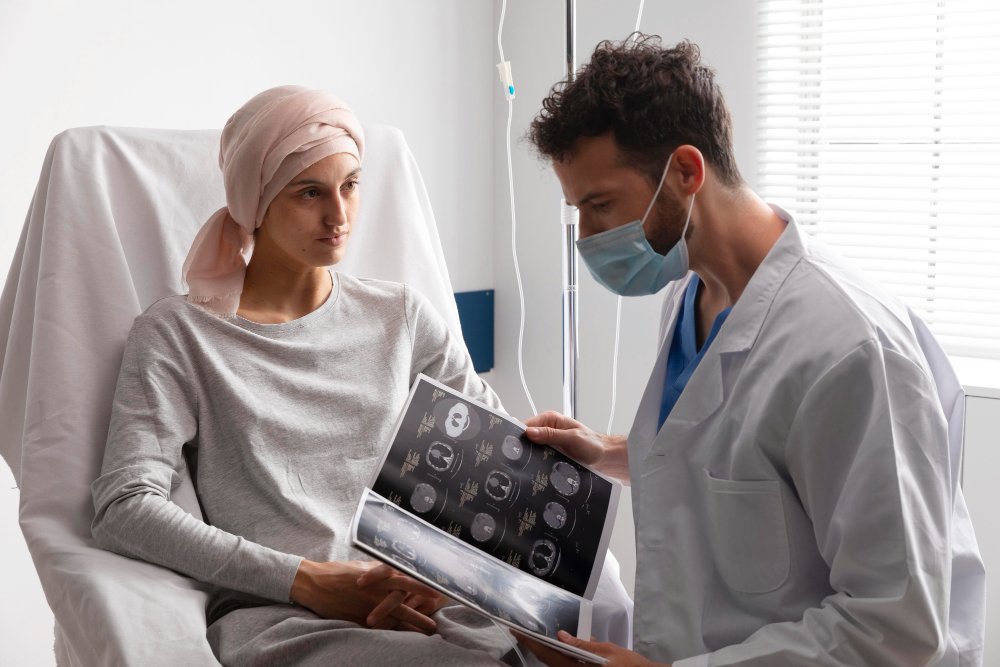
What Does Cancer Staging Mean?
Cancer staging is the process doctors use to describe the extent of cancer in the body. It helps establish where the cancer started, how large the tumour is, whether nearby lymph nodes are involved, and whether the disease has spread to distant parts of the body.
Here are five important things to understand about cancer staging.
- It describes how far the cancer has spread: The stage gives doctors a structured way to describe the extent of the disease. For many solid tumours, this includes whether the cancer is limited to its original location, has grown into nearby tissues, or has spread to other parts of the body.
- Staging is different from grading: Cancer stage and cancer grade are not the same thing. Stage describes the extent of the cancer in the body, while grade describes how abnormal the cancer cells look under a microscope and, in many cancers, how aggressively they may behave.
- The stage depends on the type of cancer: Many solid tumours use a numbered staging system, but the details vary by cancer type. Breast cancer, lung cancer, colorectal cancer, and other solid tumours may use stages 0 through IV, although the criteria for each stage are different.
- Staging helps guide treatment decisions: Knowing the stage helps the medical team decide which treatments may be appropriate. Depending on the cancer, options may include surgery, radiation therapy, chemotherapy, immunotherapy, targeted therapy, hormone therapy, or a combination of treatments.
- The stage does not tell the whole story: Cancer staging provides important information, but it cannot predict every detail of an individual’s experience. People with the same cancer stage can respond differently to treatment.
What Are the Different Stages of Cancer?
Many solid cancers are grouped into stages 0, I, II, III, and IV. Although the exact criteria differ by cancer type, the stages generally describe how much the cancer has grown or spread.
The following table provides a general overview. It is not a substitute for the staging criteria used for a specific cancer.
| Cancer Stage | What It Generally Means | What Doctors May Consider |
| Stage 0 | Abnormal cells are present but have not invaded nearby tissue. This is often called carcinoma in situ. | Whether the abnormal cells can be removed or treated locally and what follow-up is needed. |
| Stage I | Cancer is generally limited to a relatively small area or has not spread extensively. | Surgery, radiation therapy, or other treatments depending on the cancer type. |
| Stage II | Cancer may be larger or may have grown further into nearby tissue. In some cancers, nearby lymph nodes may be involved. | The extent of local growth, lymph node findings, tumour characteristics, and whether combined treatment is needed. |
| Stage III | Cancer has often spread more extensively into nearby tissues or regional lymph nodes. | Whether surgery, radiation, systemic treatment, or a combination is appropriate. |
| Stage IV | Cancer has spread to distant organs or parts of the body. This is generally called metastatic cancer. | Treatments to control the disease, manage symptoms, improve quality of life, and, in some cases, achieve prolonged remission. |
Stage 0: Abnormal cells that have not invaded nearby tissue
- Stage 0 is often used for certain cancers in which abnormal cells remain confined to the layer of tissue where they first developed. This is known as carcinoma in situ.
- These cells are not invasive cancer, but some forms may develop into invasive disease if left untreated. The risk and recommended management depend on the type of abnormality and its location.
- Treatment may involve removing the abnormal tissue or using another local treatment. In selected situations, careful monitoring may be considered. The decision depends on the diagnosis, the risk of progression, and the available clinical evidence.
Stage I: Cancer that is generally localised
- Stage I often describes a cancer that is relatively small or limited to its original site. It has not spread extensively to nearby structures or distant organs.
- Some stage I cancers can be treated successfully with surgery or another local treatment. Other cancer types may require additional therapy depending on their biological features and risk of recurrence.
- The term early-stage cancer is often used for stage I disease, but it is important not to assume that every cancer labelled stage I behaves in the same way. The exact meaning depends on the specific cancer.
Stage II: More extensive local growth
- Stage II often means the cancer has grown further into nearby tissue or is larger than a tumour classified as stage I. For certain cancers, limited regional lymph node involvement may also affect the stage.
- Treatment may involve surgery, radiation therapy, chemotherapy, or other medicines, depending on the cancer type. Doctors may recommend treatment before surgery to shrink a tumour or after surgery to reduce the risk of recurrence.
- Stage II does not automatically mean that cancer has spread to distant organs. Your doctor will explain the precise findings that determine the stage.
Stage III: More extensive regional spread
- Stage III commonly describes cancer that has grown more extensively into nearby tissues or spread to regional lymph nodes. However, the exact criteria differ considerably between cancers.
- Treatment may require a combination of approaches. For example, a patient may receive chemotherapy or radiation therapy before surgery, or additional treatment after an operation. In some cancers, medicines may be the main treatment.
- Although stage III disease is more extensive than stages I or II in many staging systems, the treatment plan and outlook vary depending on the cancer’s type, location, biology, and response to therapy.
Stage IV: Cancer that has spread to distant parts of the body
- Stage IV generally refers to cancer that has spread from its original location to distant organs or tissues. This is called metastasis. The secondary tumour contains cancer cells that originated in the original cancer, even when it is found in another organ.
- For example, breast cancer that spreads to the bones is still breast cancer, not a new type of bone cancer. The treatment plan is based on the original cancer and the characteristics of the disease after it has spread.
- Treatment may focus on controlling cancer growth, relieving symptoms, preserving daily functioning, and extending life. Some advanced cancers respond well to modern treatments and may remain controlled for a considerable period. Stage IV does not mean that treatment is pointless.

How Do Doctors Determine the Stage of Cancer?
Cancer staging is based on the results of clinical assessment and appropriate investigations. Doctors may use physical examinations, imaging tests, laboratory reports, biopsy findings, and information obtained during surgery, depending on the type of cancer.
Five key steps commonly contribute to the process.
- Reviewing medical history and examining the patient: The first step often involves understanding the person’s medical history, symptoms, previous conditions, and relevant family history. The doctor may also perform a physical examination to assess the affected area and check for findings that could suggest the extent of the disease.
- Confirming the cancer diagnosis: A biopsy is often needed to confirm many solid cancers. During this procedure, a sample of tissue or cells is collected and examined by a pathologist.
- Using imaging tests to assess the extent of disease: Imaging tests help doctors examine the tumour and nearby structures. Depending on the cancer, investigations may include ultrasound, CT, MRI, PET-CT, mammography, or other specialised scans.
- Checking lymph nodes and nearby tissues: Lymph nodes are small structures that form part of the immune system. Some cancers can spread to nearby lymph nodes, and this information may influence the stage and treatment plan.
- Looking for distant spread when appropriate: If the cancer type or initial findings suggest a possibility of distant spread, the medical team may recommend additional investigations. These could include CT scans, MRI, PET-CT, bone imaging, or other tests selected for the suspected cancer and affected areas.
Does Cancer Stage Affect Treatment Options?
Yes, cancer stage is an important part of treatment planning. However, treatment is not selected based on stage alone. The cancer type, tumour characteristics, genetic findings, overall health, and personal preferences also matter.
-
Surgery may be considered for localised cancers
- When cancer is confined to a particular area, surgery may be an important treatment option. The aim may be to remove the tumour along with a margin of surrounding tissue, and sometimes nearby lymph nodes.
- Whether surgery is appropriate depends on the location of the cancer, its size, the structures involved, and the person’s fitness for the procedure. Some early-stage cancers are treated without surgery, while others need additional treatment even after the tumour is removed.
-
Radiation therapy may be used alone or with other treatments
- Radiation therapy uses carefully planned radiation to damage cancer cells. It may be recommended for certain localised cancers, used after surgery to reduce the risk of recurrence, or combined with other treatments.
- In some cases, radiation therapy is used to relieve symptoms caused by cancer in a particular area. The schedule and treatment area depend on the diagnosis and treatment goal.
-
Chemotherapy may be used before or after surgery
- Chemotherapy uses medicines that destroy cancer cells or stop them from multiplying. Depending on the cancer, it may be given before surgery to shrink a tumour, after surgery to reduce the risk of recurrence, or as a main treatment for cancers that require systemic therapy.
- Chemotherapy may also be used for some advanced cancers to control disease throughout the body. The choice of medicines and number of treatment cycles depend on the cancer type, stage, and individual circumstances.
-
Targeted therapy, immunotherapy, or hormone therapy may be appropriate
- Some cancers have specific biological features that make them suitable for targeted therapy. These medicines act on particular pathways or changes involved in cancer growth.
- Immunotherapy helps the immune system recognise or attack cancer cells in certain situations. Hormone therapy may be used for cancers that depend on hormones, including specific types of breast and prostate cancer.
-
Advanced cancer may require a personalised combination of treatments
- When cancer has spread to distant organs, treatment may involve systemic medicines, radiation therapy, surgery in selected circumstances, or a combination of approaches.
- The goals can include controlling cancer growth, reducing symptoms, maintaining quality of life, and extending survival. For some cancers, treatment may achieve a prolonged remission, while others may require ongoing management.
- Palliative care can also help manage pain, fatigue, emotional distress, and other symptoms at any stage when needed. It can be provided alongside cancer-directed treatment and does not mean that active treatment has stopped.

Why Consider Healius for Cancer Treatment in Bangalore?
Choosing where to seek cancer care involves more than finding a facility with a particular title. Patients need access to appropriate specialist guidance, a clear explanation of their diagnosis, and a treatment plan that reflects their individual needs. Healius is an option for people exploring Cancer Treatment in Bangalore and seeking information about cancer care services.
When discussing your case, ask about the specialists involved, the diagnostic investigations available, and how treatment recommendations are made according to your cancer type and stage. It is also important to understand how different treatment approaches may be coordinated, what support is available for managing side effects, and how follow-up care will be arranged.
People searching for the Best Cancer Hospital in Bangalore should compare relevant factors such as specialist experience, available services, communication, treatment planning, and continuity of care rather than relying on a title alone. If you are considering Healius, enquire about the services relevant to your diagnosis and ask the care team to explain the available options, their expected benefits, and their potential risks. Having clear information about your diagnosis and treatment can help you make informed decisions and feel better prepared for the next steps.
Understanding Your Cancer Stage Is the First Step Towards Informed Care
A cancer stage can sound like a final verdict when you first hear it, especially when you are still trying to understand the diagnosis itself. But staging is better understood as a way for doctors to describe the extent of the disease and plan the next steps. It helps answer important questions about where the cancer started, whether it has grown into nearby tissues, and whether it has spread to other parts of the body.
Understanding what are the different stages of cancer can make medical reports easier to follow. In many solid cancers, stage 0 refers to abnormal cells that have not invaded nearby tissue, stages I and II generally describe more localised disease, stage III often involves more extensive regional spread, and stage IV usually indicates distant metastasis. These are broad descriptions, not universal rules. The exact criteria vary by cancer type, and some cancers use different classification systems altogether.
If you or someone close to you has received a cancer diagnosis, ask the treating doctor to explain the stage, the investigations used to determine it, and the available treatment options. If you are exploring Cancer Treatment in Bangalore, take time to understand the specialists involved, the services available, and how the proposed treatment fits your individual needs.
Most importantly, do not interpret a stage number in isolation or assume that it predicts every aspect of the future. Cancer care is based on a combination of medical evidence, individual circumstances, and treatment response. Understanding your diagnosis is a practical first step towards making informed decisions, asking the right questions, and approaching the next stage of care with greater clarity.
