
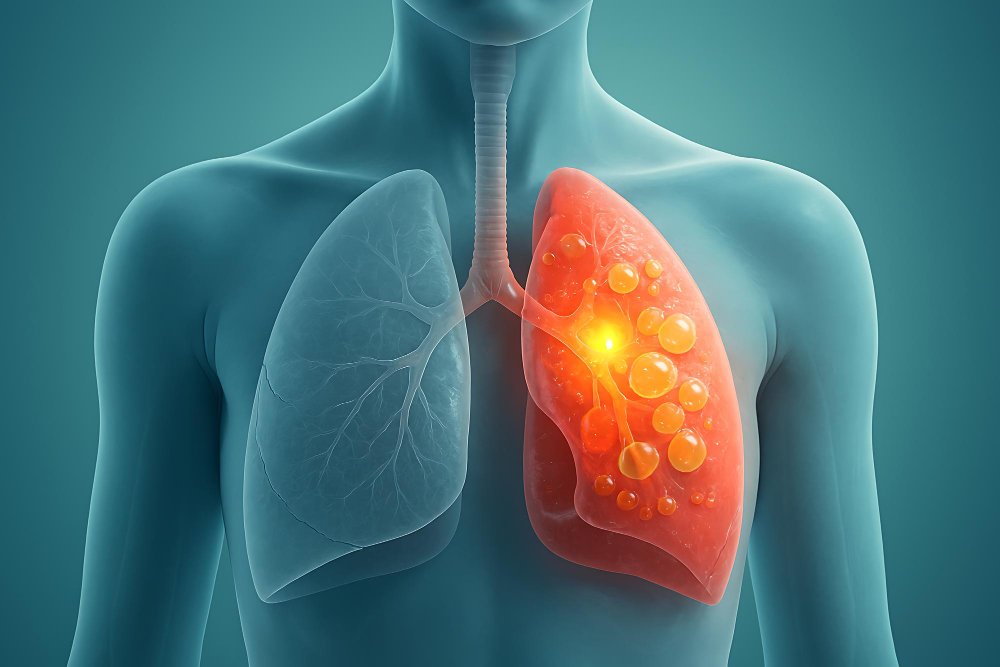
Can Non-Smokers Get Lung Cancer? Causes, Symptoms and Treatment
Lung cancer is often associated with smoking, and for good reason. Tobacco use is one of the leading risk factors for this disease. However, there is an important fact that many people are unaware of: you do not have to smoke to develop lung cancer. People who have never smoked, those who quit years ago, and even individuals who have never been regularly exposed to tobacco smoke can be diagnosed with this condition.
So, can non-smokers get lung cancer? Yes. Lung cancer can develop in people who have never smoked because several other factors can affect the cells in the lungs. These include exposure to second-hand smoke, air pollution, radon gas, certain workplace chemicals, inherited genetic factors, and changes in the DNA of lung cells. In some cases, doctors may not be able to identify one clear cause.
This blog explains how lung cancer can affect non-smokers, the risk factors involved, symptoms to watch for, and the tests doctors use to confirm a diagnosis. It also covers the available treatment options and the importance of specialist care. For individuals looking for Cancer Treatment in Bangalore, understanding the condition is an important first step towards seeking the right medical support.
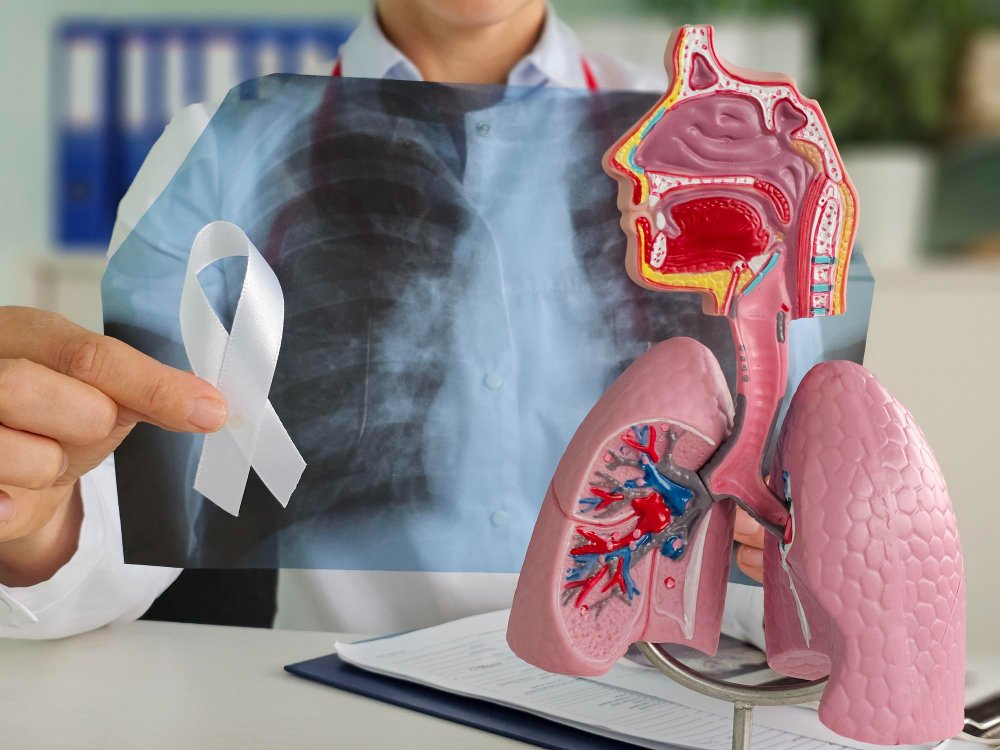
Can Non-Smokers Get Lung Cancer?
Yes, lung cancer can affect people who have never smoked. Although smoking remains a major risk factor, it is not the only reason lung cancer develops. Some people develop cancer because their lung cells undergo genetic changes that cause them to grow and divide abnormally.
The term never-smoker generally refers to someone who has smoked fewer than 100 cigarettes during their lifetime. However, even people who fall into this category can develop lung cancer. Researchers have identified several environmental, genetic, and biological factors that may contribute to the disease.
There are also differences in the types of lung cancer commonly found in people who have never smoked. For example, adenocarcinoma, a type of non-small cell lung cancer, is frequently diagnosed in non-smokers. It often develops in the outer areas of the lungs and may not cause noticeable symptoms during its early stages.
It is important to understand that:
- Smoking is not the only risk factor: Lung cancer can develop due to exposure to harmful substances, genetic changes, and other factors.
- Non-smokers can experience the same symptoms: Persistent coughing, breathlessness, chest pain, and unexplained weight loss can occur regardless of smoking history.
- Some cases have no clearly identifiable cause: A person may develop lung cancer even when no obvious risk factor is present.
- Age does not provide complete protection: Although lung cancer is more common in older adults, younger people can also be diagnosed.
- Diagnosis requires medical investigations: Symptoms and risk factors alone cannot confirm whether someone has lung cancer.
Therefore, the answer to the question, can non-smokers get lung cancer, is not just yes. It is also a reminder that awareness of symptoms and timely medical assessment matter for everyone, not only people with a history of smoking.
What Causes Lung Cancer in Non-Smokers?
Lung cancer develops when changes occur in the DNA of lung cells. These changes affect how cells grow, divide, and repair themselves. Instead of following the normal process of cell growth and death, abnormal cells may continue multiplying and eventually form a tumour.
In non-smokers, these changes can be linked to several factors. However, having one or more risk factors does not mean a person will definitely develop lung cancer. Similarly, some people diagnosed with the disease may not have any known exposure or identifiable risk factor.
Here are some of the factors associated with lung cancer in non-smokers.
- Second-Hand Smoke Exposure
Not smoking does not always mean avoiding tobacco smoke. People who live or work around smokers can inhale second-hand smoke, which contains several harmful chemicals. Regular exposure to second-hand smoke can increase the risk of lung cancer, even in people who have never used tobacco themselves.
- Living with a smoker: People who share a home with someone who smokes may be exposed to tobacco smoke regularly, especially in poorly ventilated indoor spaces.
- Workplace exposure: Individuals working in environments where smoking is permitted or where tobacco smoke is present may experience repeated exposure.
- Long-term exposure: The risk can increase with prolonged exposure over time. Occasional exposure and long-term exposure do not carry the same level of risk.
- Exposure during childhood: Children living in homes where adults smoke may experience repeated exposure, although the individual cancer risk later in life cannot be predicted from this alone.
- Air Pollution
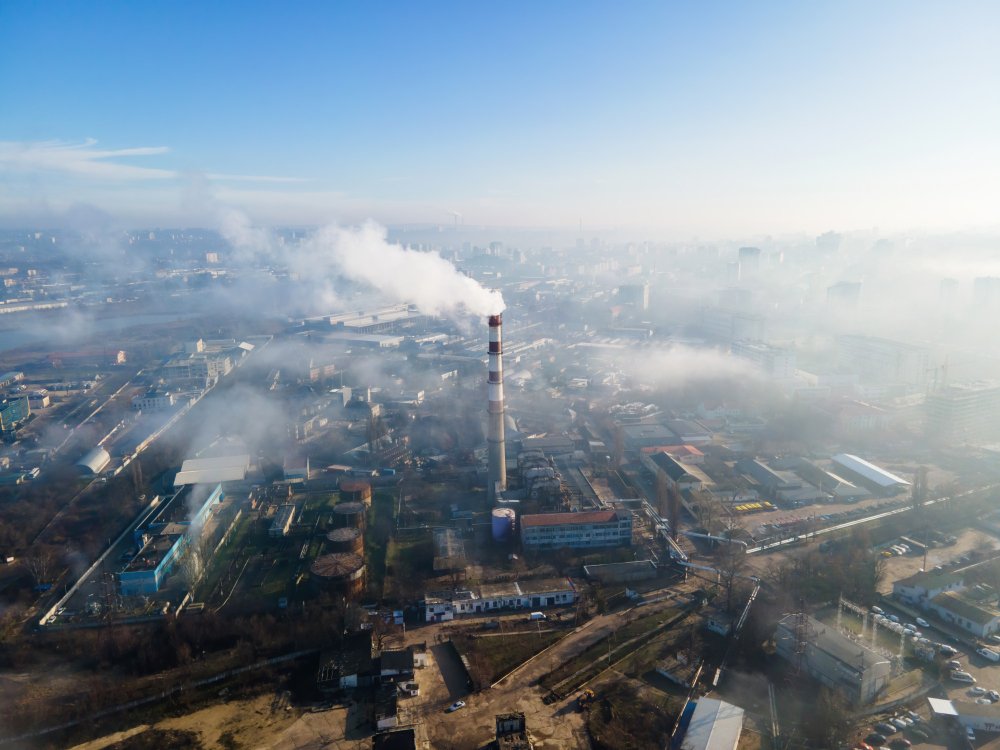
Air pollution is another factor associated with lung cancer in people who have never smoked. Polluted air contains a mixture of gases, particles, and chemicals that can enter the respiratory system when inhaled. Fine particulate matter, particularly PM2.5, can travel deep into the lungs. Long-term exposure to outdoor air pollution is recognised as a cause of lung cancer.
Sources of air pollution include:
- Vehicle emissions: Cars, buses, trucks, and other vehicles release pollutants that contribute to poor air quality, especially in busy urban areas.
- Industrial emissions: Factories and industrial facilities can release harmful gases and fine particles into the surrounding environment.
- Construction dust: Dust from construction sites, roadwork, and demolition can affect air quality when proper dust-control measures are not followed.
- Burning of waste and biomass: Smoke from burning waste, wood, crop residue, and other materials can contain harmful particles.
- Indoor air pollution: Poor ventilation and the use of certain fuels for cooking or heating can increase exposure to harmful substances inside homes.
Living in a polluted area does not mean someone will develop lung cancer. However, long-term exposure to certain air pollutants can increase the risks.
- Radon Gas Exposure
Radon is a naturally occurring radioactive gas produced by the breakdown of uranium in soil and rocks. It is colourless and odourless, which means people cannot identify its presence without proper testing. Radon can enter buildings through cracks in floors, walls, and foundations. When it accumulates indoors, people may inhale radioactive particles released as it breaks down. These particles can damage the cells lining the lungs.
A few important things to understand about radon exposure include:
- It can be present inside homes: Radon may enter houses, apartments, offices, and other buildings through the ground.
- It cannot be detected through smell or sight: Special testing is required to measure radon levels.
- Poor ventilation can contribute to accumulation: In certain buildings, limited air circulation can allow radon levels to build up.
- Long-term exposure increases risk: The risk of lung cancer is associated with the amount and duration of exposure.
- It affects non-smokers too: Radon is a recognised lung cancer risk factor for people who have never smoked.
Radon testing and appropriate measures to reduce indoor levels can help lower exposure where it is a concern.
- Workplace Exposure to Harmful Substances
Some people may inhale harmful substances as part of their occupation. Repeated exposure to certain chemicals and materials can damage lung tissue and increase the risk of cancer. The level of risk depends on the substance, concentration, duration of exposure, and safety measures followed at the workplace.
Examples include:
- Asbestos: Exposure to asbestos fibres is associated with lung cancer and mesothelioma. It can occur during activities involving older insulation, construction materials, and demolition.
- Arsenic: Long-term exposure to inorganic arsenic, which may occur in certain industrial settings, is associated with an increased risk of lung cancer.
- Diesel exhaust: Workers who spend long periods around diesel-powered vehicles and machinery may inhale exhaust particles that are harmful to the lungs.
- Silica dust: Respirable crystalline silica exposure, particularly in mining, construction, and stone-cutting work, can damage the lungs. Silica exposure is also associated with an increased risk of lung cancer.
- Certain industrial chemicals: Some workplace substances, including specific metal compounds and chemical fumes, have been linked to lung cancer.
Workplaces should follow occupational safety standards, provide suitable protective equipment, and use effective ventilation and dust-control systems.
- Genetic Changes and Family History
Genetic factors can also play a role in lung cancer among non-smokers. Some people develop the disease because of changes in the DNA of their lung cells. These changes may occur during a person’s lifetime and are not necessarily inherited from their parents. Certain genetic alterations can affect how cells grow and multiply. For example, changes involving the EGFR gene and ALK gene are found in some lung cancers, particularly certain cases of lung adenocarcinoma in people who have never smoked.
It is useful to understand the difference between inherited risk and changes that develop in tumour cells:
- Inherited genetic factors: Certain inherited conditions or genetic variations may influence a person’s susceptibility to cancer.
- Acquired mutations: These develop in cells during a person’s lifetime and may contribute to uncontrolled cell growth.
- EGFR alterations: Some lung cancers have changes in the EGFR gene that can influence how tumour cells grow.
- ALK rearrangements: These genetic changes can drive the growth of certain lung cancers and may help doctors identify targeted treatment options.
- Family history: Having a close relative with lung cancer may be associated with an increased risk, although it does not mean the disease will necessarily develop.
When lung cancer is diagnosed, doctors may recommend molecular testing to identify specific changes in the tumour. This information can help guide treatment decisions.
- Previous Radiation Exposure
People who have received radiation therapy to the chest for another cancer may have a higher risk of developing a secondary cancer in the treated area later in life. This risk depends on factors such as the radiation dose, treatment area, age at exposure, and other medical factors.
It is important to understand that this is not a common outcome of radiation therapy. Radiation is used to treat several cancers because its benefits can outweigh the potential long-term risks. Doctors consider these risks while planning treatment and recommend follow-up care based on the patient’s medical history.
- Previous Lung Conditions and Chronic Inflammation
Certain long-standing lung conditions may be associated with a higher risk of lung cancer. Chronic inflammation and damage to lung tissue can affect normal cellular processes over time.
Conditions that may be relevant include:
- Pulmonary fibrosis: This condition causes scarring in lung tissue and has been associated with an increased risk of lung cancer.
- Chronic obstructive pulmonary disease (COPD): COPD is associated with lung cancer risk, although smoking is a shared risk factor in many cases.
- Previous tuberculosis: Some studies have found an association between a history of pulmonary tuberculosis and lung cancer, though this does not establish that tuberculosis directly causes cancer.
- Long-term lung damage: Certain forms of persistent lung injury and scarring may be associated with changes in cancer risk.
- Chronic respiratory symptoms: Ongoing cough or breathlessness should be assessed rather than automatically attributed to an existing lung condition.
Having a chronic lung disease does not mean a person will develop cancer. However, new or changing symptoms should be discussed with a healthcare professional.
What Are the Symptoms of Lung Cancer in Non-Smokers?
One reason lung cancer can be difficult to identify in non-smokers is that its symptoms may initially appear similar to common respiratory conditions. A person may assume that a persistent cough is caused by pollution, allergies, or a chest infection.
However, symptoms that continue for several weeks, become more severe, or occur alongside other unexplained changes should be medically assessed.
Here are some common symptoms to watch for.
- Persistent Cough
- A cough that does not improve or continues for several weeks can be a symptom of lung cancer. It may be dry or produce mucus.
- Some people notice that their usual cough changes in frequency or intensity.
A persistent cough does not automatically indicate cancer. Respiratory infections, asthma, allergies, and other conditions can also cause it. However, if it does not settle or keeps returning, a medical evaluation is important.
- Coughing Up Blood
- Coughing up blood, even in small amounts, should never be ignored.
- It may appear as streaks of blood in mucus or as blood mixed with phlegm.
Although infections and other lung conditions can also cause this symptom, it can occur when a tumour affects blood vessels in the airways. Anyone coughing up blood should seek prompt medical attention.
- Chest Pain or Discomfort
- Lung cancer may cause pain or discomfort in the chest, particularly when the tumour affects nearby tissues or structures.
- The pain may become more noticeable when coughing, breathing deeply, or laughing.
Some people experience a dull ache, while others report sharp or persistent discomfort. Chest pain can have many causes, so it should be assessed rather than assumed to be related to lung cancer.

- Shortness of Breath
- Breathlessness can occur when a tumour blocks an airway, affects lung function, or causes fluid to collect around the lungs.
- People may notice difficulty breathing during activities that previously felt comfortable.
In some cases, breathlessness can also occur while resting. Sudden or severe difficulty breathing requires urgent medical attention.
- Unexplained Weight Loss
- Losing weight without changing eating habits or physical activity can sometimes be a sign of an underlying health condition, including cancer.
Lung cancer may affect appetite, metabolism, and the body’s energy requirements. Some people also experience reduced food intake because of fatigue, pain, or other symptoms.
- Ongoing Fatigue
- Feeling tired occasionally is normal.
- However, persistent exhaustion that does not improve with rest may need medical attention.
Cancer can affect the body’s energy levels through inflammation, changes in metabolism, poor sleep, and other effects. Fatigue may also result from anaemia, infections, or other conditions.
- Repeated Chest Infections
- Some people with lung cancer experience repeated episodes of pneumonia or bronchitis.
- This can happen when a tumour partially blocks an airway, making it difficult for mucus to clear properly.
If infections repeatedly affect the same area of the lung or do not resolve as expected, doctors may recommend further investigations.
- Hoarseness or Changes in Voice
- A tumour may affect nerves that control the voice box, leading to persistent hoarseness or a change in voice quality.
- This symptom can also occur due to throat infections, acid reflux, and other conditions.
If hoarseness continues without an obvious reason, it should be assessed by a doctor.
- Shoulder or Bone Pain
- Lung cancer can sometimes spread to nearby structures or distant parts of the body, including bones.
- This may cause persistent pain in the shoulder, back, ribs, or other areas.
Pain that continues without a clear explanation, particularly when accompanied by respiratory symptoms, should be investigated.
- Swelling Around the Face or Neck
- In some cases, a tumour can press on the superior vena cava, a large vein that carries blood from the upper body to the heart.
- This can cause swelling around the face, neck, and upper chest.
This condition requires prompt medical assessment, especially if swelling is accompanied by breathlessness, dizziness, or other concerning symptoms.
NOTE: Not everyone with lung cancer experiences all these symptoms. Some people may have no noticeable symptoms in the early stages. This is why it is important to discuss persistent or unexplained changes with a doctor, even if there is no history of smoking.
What Are the Stages of Lung Cancer?
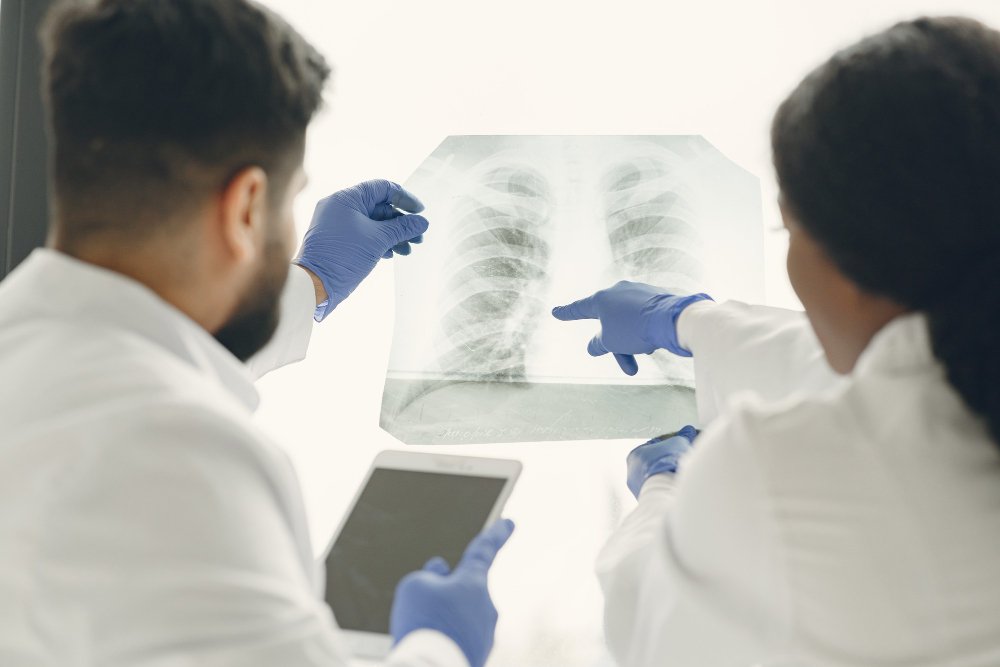
Once lung cancer is confirmed, doctors determine how far it has spread. This process is called staging. It helps the medical team understand the extent of the disease and plan appropriate treatment.
Non-small cell lung cancer is generally classified into stages 0 to IV. Small cell lung cancer is often described using limited-stage and extensive-stage categories, although the TNM staging system may also be used.
| Stage | What It Means |
| Stage 0 | Abnormal cells are found in the lining of the airways but have not invaded deeper lung tissue. This is sometimes called carcinoma in situ. |
| Stage I | Cancer is limited to the lung and has not spread to nearby lymph nodes. |
| Stage II | The tumour may be larger or may have spread to nearby lymph nodes or structures within the same side of the chest. |
| Stage III | Cancer has spread to lymph nodes or nearby structures in the chest. The extent of spread determines the specific stage. |
| Stage IV | Cancer has spread to the opposite lung, the fluid around the lungs or heart, or distant organs such as the brain, bones, liver, or adrenal glands. |
The stage alone does not determine the complete treatment plan. Doctors also consider the cancer type, molecular test results, overall health, lung function, and the patient’s treatment goals.
What Are the Treatment Options for Lung Cancer in Non-Smokers?
Lung cancer treatment is not the same for everyone. Two people diagnosed with the same broad type of cancer may receive different treatments depending on the stage, tumour characteristics, genetic changes, and overall health.
For non-smokers, molecular testing can be particularly important because some tumours contain alterations that respond to specific targeted medicines.
Here are the main treatment options doctors may recommend.
1. Surgery for Lung Cancer
Surgery may be recommended when lung cancer is detected at an early stage and can be removed safely. The aim is to remove the tumour along with an appropriate margin of surrounding tissue and, when required, nearby lymph nodes.
The type of surgery depends on the tumour’s location, size, and the patient’s lung function.
Common surgical procedures include:
- Wedge resection: Removes the tumour along with a small, wedge-shaped portion of surrounding lung tissue. It may be suitable for selected small tumours.
- Segmentectomy: Removes one anatomical segment of a lung lobe while preserving the remaining lung tissue.
- Lobectomy: Removes an entire lobe of the lung. It is a commonly used operation for certain localised lung cancers.
- Pneumonectomy: Removes an entire lung when the tumour’s location or extent makes this necessary.
- Lymph node removal or sampling: Nearby lymph nodes may be examined to determine whether cancer has spread and to help establish the stage.
Not everyone is suitable for surgery. Doctors assess breathing capacity, heart health, tumour location, and the extent of the disease before recommending an operation.
2. Chemotherapy for Lung Cancer
- Chemotherapy uses medicines to destroy cancer cells or prevent them from multiplying. It may be recommended before surgery to shrink a tumour, after surgery to reduce the risk of recurrence, or as part of treatment for advanced disease.
- In some cases, chemotherapy is combined with radiation therapy or immunotherapy. The medicines, number of cycles, and duration depend on the type and stage of lung cancer.
- During treatment, doctors monitor the patient’s health, blood counts, treatment response, and side effects. Common side effects may include fatigue, nausea, appetite changes, hair loss, and an increased risk of infection. Not everyone experiences the same side effects.
3. Targeted Therapy
- Targeted therapy uses medicines designed to act on specific genetic changes or proteins that help cancer cells grow. It can be particularly useful for certain lung cancers that contain identifiable molecular alterations.
- For example, some patients with EGFR mutations may benefit from EGFR-targeted medicines. Those with ALK rearrangements may be candidates for ALK inhibitors.
- The main advantage of targeted therapy is that it focuses on specific features of cancer cells rather than affecting all rapidly dividing cells in the same way as conventional chemotherapy. However, these medicines are suitable only for cancers with the relevant targets.
- Doctors may also monitor patients for side effects and changes in the tumour over time, as some cancers can develop resistance to targeted medicines.
4. Immunotherapy
- Immunotherapy helps the body’s immune system recognise and attack cancer cells. Certain medicines work by blocking proteins that cancer cells use to avoid immune detection.
- Immunotherapy may be used alone or in combination with chemotherapy, depending on the type and stage of lung cancer, PD-L1 expression, molecular test results, and other clinical factors.
- Some patients experience immune-related side effects because the treatment can cause the immune system to affect healthy organs. These may involve the lungs, skin, bowel, liver, or thyroid. Medical monitoring is important throughout treatment.
5. Radiation Therapy
- Radiation therapy uses high-energy radiation to destroy cancer cells or control their growth. It may be recommended for people who cannot undergo surgery, for tumours that need local control, or as part of combined treatment.
- One form of radiation therapy is stereotactic body radiation therapy (SBRT), which delivers highly focused radiation to selected tumours in a limited number of sessions.
- Radiation may also be used to relieve symptoms caused by cancer that has spread to areas such as the bones or brain. The treatment plan depends on the location of the tumour and the patient’s overall condition.
6. Palliative and Supportive Care
- Palliative care focuses on relieving symptoms and improving quality of life for people living with cancer. It can be provided alongside treatments intended to control or cure the disease.
- Supportive care may help patients manage pain, breathlessness, fatigue, appetite changes, anxiety, and other treatment-related difficulties. It can also include nutritional support, rehabilitation, and guidance for family members.
- Palliative care does not mean that cancer treatment has stopped. It is an important part of comprehensive care at different stages of the disease.
Why Choose Healius for Lung Cancer Treatment in Bangalore?
A lung cancer diagnosis can bring several questions about treatment, recovery, side effects, and what to expect in the coming months. Having access to specialist-led cancer care can help patients understand their diagnosis and move forward with a treatment plan suited to their medical needs. At Healius, the focus is on providing cancer care through detailed evaluation, individualised treatment planning, and ongoing monitoring. The medical team considers factors such as the type and stage of lung cancer, the patient’s overall health, and relevant molecular test results when planning treatment. This is particularly important for non-smokers, as some lung cancers may contain genetic alterations that can guide the use of targeted medicines.
For individuals looking for the Best Cancer Hospital in Bangalore, Healius brings together important aspects of cancer management, including diagnostic assessment, treatment guidance, side effect monitoring, and follow-up care. With attention to each patient’s condition and treatment requirements, Healius supports individuals seeking Lung Cancer Treatment in Bangalore through the different stages of their cancer care journey.
Lung Cancer Awareness Should Go Beyond Smoking History
Smoking is an important risk factor for lung cancer, but it is not the only one. People who have never smoked can also develop the disease due to factors such as second-hand smoke, air pollution, radon exposure, workplace chemicals, genetic changes, and certain long-standing lung conditions. In some cases, there may be no identifiable reason for the diagnosis. This is why the question, can non-smokers get lung cancer, deserves more attention than it often receives.
For anyone seeking Cancer Treatment in Bangalore, choosing specialist-led care is an important part of navigating the diagnosis and treatment process. At Healius, patients can access oncology care focused on understanding their condition, planning appropriate treatment, monitoring progress, and managing treatment-related concerns. The aim is to ensure that medical decisions are guided by the patient’s diagnosis and individual requirements.
Most importantly, never smoking should not become a reason to overlook a possible warning sign. Paying attention to persistent changes, seeking medical advice, and following through with recommended investigations can help people take informed steps towards their health.
