

How Long Does It Take to Recover After Cancer Surgery?
Completing cancer surgery is an important step in treatment, but what happens after the operation is just as important. Once the procedure is over, patients often have several questions. When will the pain settle? How soon can they walk comfortably? When can they return to work, eat normally, or manage everyday activities without assistance? Most importantly, how long will it take before they feel like themselves again?
The recovery period after cancer surgery can vary considerably from one person to another. Someone who undergoes a small procedure may be able to resume light activities within a few weeks. However, a person who has a major operation involving the removal of an organ, nearby tissues, or lymph nodes may need several months to recover. The type of cancer, the location of the tumour, the surgical technique, and the patient’s overall health all influence the healing process.
If you have been searching for how long does it take to recover after cancer surgery, understanding the different stages of healing can help you prepare for what lies ahead. Knowing what is normal, which activities to avoid, and when to contact your doctor can make the process easier to manage.
For individuals seeking Cancer Treatment in Bangalore, having access to the right medical guidance is important throughout the treatment and recovery process. This blog explains the factors that affect recovery, typical timelines for different surgeries, common post-operative experiences, and practical ways to support healing after cancer surgery.
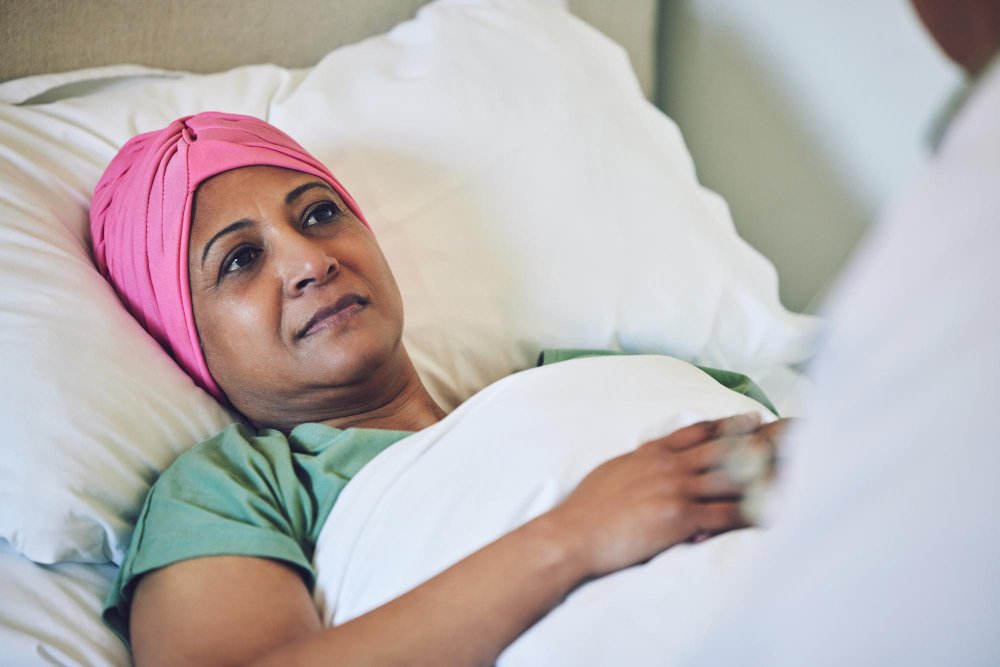
How Long Does It Take to Recover After Cancer Surgery?
There is no single recovery timeline that applies to every cancer patient. The time required depends largely on the type of surgery performed and how much tissue or surrounding structures are involved.
As a general guide, recovery from minor procedures may take a few days to a couple of weeks. Many patients undergoing minimally invasive surgery need around two to six weeks to return to several everyday activities, although complete recovery can take longer. Major open surgeries may require six to twelve weeks or more for initial physical recovery, with strength and stamina continuing to improve over several months.
The phrase how long does it take to recover after cancer surgery often leads patients to look for a fixed number of days or weeks. However, doctors usually assess recovery through several factors rather than relying on time alone.
Here are some important aspects of the recovery period:
- Healing of the surgical wound: The incision needs time to close and the underlying tissues need to repair themselves. The healing period depends on the size and location of the wound, the surgical technique, and the patient’s health.
- Pain and discomfort: Some pain, swelling, or tenderness is expected after surgery. These symptoms usually improve gradually, although the duration and intensity vary depending on the procedure.
- Regaining physical strength: Patients may feel tired or weak after an operation because of the effects of anaesthesia, reduced activity, blood loss, and the body’s healing requirements. Regaining stamina can take several weeks or longer.
- Returning to everyday activities: Activities such as walking, bathing, cooking, driving, and working may need to be resumed gradually. The timeline depends on the extent of surgery and the doctor’s instructions.
- Adjusting to additional treatment: Some patients need chemotherapy, radiation therapy, or other treatments after surgery. These can affect energy levels and extend the overall recovery period.
It is important not to compare your recovery with someone else’s. Even patients who undergo the same type of operation can heal at different rates.
What Factors Affect Recovery After Cancer Surgery?
Two patients may undergo similar operations but experience very different recovery periods. This is because healing depends on several medical and personal factors.
Understanding these factors can help patients and caregivers set realistic expectations.
- Type and Location of Cancer Surgery: The type of operation is one of the biggest factors affecting recovery. A small procedure to remove a localised tumour may involve less tissue damage than an operation that requires removing an organ or nearby structures. For example, recovery after a minor breast procedure may be different from recovery after a mastectomy. Similarly, removing a small portion of the colon may involve a different healing process from a major abdominal operation.
- Surgical Technique Used: Cancer surgery can be performed using different approaches depending on the tumour, its location, and the patient’s condition.
- Open surgery: This involves making a larger incision to access the affected area. It may be necessary for complex operations or when the tumour needs to be removed along with surrounding structures.
- Laparoscopic surgery: This minimally invasive approach uses small incisions and specialised instruments. It may reduce wound size and help some patients recover sooner.
- Robotic-assisted surgery: This approach uses robotic instruments controlled by the surgeon to perform precise movements through small incisions. Its suitability depends on the type of cancer and the procedure.
- Endoscopic procedures: Certain cancers can be treated using instruments passed through natural openings or existing access points, avoiding some of the larger incisions associated with conventional surgery.
- Reconstructive surgery: Some cancer operations require reconstruction of the affected area. This can add to the recovery process because patients may need time to heal from both the cancer removal and reconstructive procedures.
Minimally invasive surgery does not automatically mean a shorter recovery for everyone. The complexity of the operation and the patient’s overall condition remain important.
- Overall Health Before Surgery
- A patient’s health before surgery can influence how well the body responds to the operation.
- People with good nutritional status, adequate physical strength, and well-managed medical conditions may be better prepared for recovery. However, cancer itself can affect the body’s strength and energy levels.
- Conditions such as diabetes, heart disease, kidney disease, and respiratory problems may require additional monitoring during recovery. They do not necessarily prevent surgery, but they can influence wound healing and the time needed to regain strength.
- Age and Physical Fitness: Age can influence recovery, but it is not the only factor. Older adults may need additional support with mobility, nutrition, and daily activities. However, a person’s physical fitness and general health are often just as important.Someone who is physically active before surgery may find it easier to regain stamina, although this does not guarantee a faster recovery. Patients should follow a medically approved activity plan rather than trying to exercise intensely soon after an operation.

- Nutritional Status: The body needs sufficient energy, protein, vitamins, and minerals to repair tissues after surgery. Patients who have experienced weight loss, poor appetite, or nutritional deficiencies before the operation may need additional support. A balanced diet can help with wound healing, maintaining muscle strength, and recovering from the physical stress of surgery. In some cases, a dietitian may recommend a personalised nutrition plan.
- Additional Cancer Treatment: Some patients need chemotherapy, radiation therapy, targeted therapy, or immunotherapy after surgery. These treatments may be recommended to reduce the risk of recurrence or manage any remaining cancer cells. The timing of additional treatment depends on the type of cancer, surgical findings, recovery progress, and the patient’s overall health. Treatment-related side effects can also affect energy levels and the ability to return to normal activities.
- Complications After Surgery: Most patients recover without major complications, but some may experience issues that require additional medical attention. These can include wound infections, bleeding, blood clots, delayed wound healing, fluid accumulation, or problems involving the operated organ. Such complications may extend the recovery period and require further treatment.
What Is the Typical Recovery Timeline After Cancer Surgery?
Recovery usually happens gradually rather than all at once. Patients may feel better in some areas while still experiencing fatigue, discomfort, or physical limitations. The following table gives a general idea of what patients may experience during different stages. These are broad examples, not fixed timelines for every cancer operation.
| Recovery Stage | What Patients May Experience |
| First 24 to 48 hours | Patients are monitored after surgery. They may experience pain, drowsiness, nausea, and tiredness as the effects of anaesthesia wear off. Medical staff may encourage gentle movement when appropriate. |
| First week | Pain and swelling may gradually become easier to manage. Patients begin moving around more, following wound-care instructions, and slowly returning to basic daily activities. |
| Weeks 2 to 4 | Some patients notice improvements in mobility and energy. Follow-up appointments may be scheduled to check wound healing and discuss pathology results or further treatment. |
| Weeks 4 to 6 | Patients recovering from less complex procedures may be able to resume more everyday activities. Those who have undergone major surgery may still need assistance and additional rest. |
| Weeks 6 to 12 | Many patients continue building strength and improving mobility. Depending on the operation, some may return to work or other regular activities with medical approval. |
| Three to six months or longer | Patients recovering from major operations may continue improving their stamina and adjusting to physical changes. Some may need rehabilitation or ongoing treatment during this period. |
What Happens During the First Few Days?
The first few days after cancer surgery are mainly focused on monitoring the patient’s condition and ensuring that the body is responding well to the operation.
During this time:
- Medical staff monitor vital signs such as blood pressure, heart rate, oxygen levels, and temperature.
- Pain relief medicines are provided to manage discomfort and help patients move more comfortably.
- Patients may be encouraged to sit up, stand, or walk short distances when it is medically safe.
- The surgical wound, drains, and any tubes or catheters are checked regularly.
- Food and fluids are gradually introduced according to the type of surgery and the patient’s recovery.
Some patients may be discharged within a day or two after less complex procedures. Others may need to stay in the hospital for a longer period, particularly after major operations.

What Happens During the First Few Weeks?
Once patients return home, the focus shifts towards wound care, rest, nutrition, and gradually increasing activity.
It is common to feel tired during this stage. Even simple tasks may require more effort than usual. Patients should avoid lifting heavy objects, strenuous exercise, or activities that put pressure on the surgical area until their doctor confirms that these are safe.
Follow-up appointments are also important during this period. The medical team may examine the wound, review test results, and discuss whether further treatment is required.
How Long Does Recovery Take After Different Types of Cancer Surgery?
The recovery period depends on the organ involved, the complexity of the operation, and whether the surgery was performed using an open or minimally invasive technique.
Here are some general examples of recovery after different cancer surgeries.
- Breast Cancer Surgery
- Recovery after breast cancer surgery depends on whether the patient undergoes a lumpectomy, mastectomy, or a procedure involving lymph node removal or reconstruction.
- A lumpectomy generally involves removing the tumour along with a margin of surrounding tissue. Some patients can return to light activities within a few days, although complete recovery may take several weeks.
- A mastectomy involves removing the entire breast and may require a longer recovery period. Patients may experience tightness, swelling, discomfort, and temporary changes in shoulder movement. If breast reconstruction is performed, recovery may take longer.
- Lung Cancer Surgery
- Lung cancer surgery may involve removing a small portion of the lung, an entire lobe, or, in selected cases, the whole lung.
- Patients may experience chest discomfort, fatigue, and breathlessness during the initial recovery period. Breathing exercises and pulmonary rehabilitation may be recommended to improve lung function and physical endurance.
- Recovery after minimally invasive lung surgery may be shorter than after open surgery, but patients who undergo extensive procedures may need several weeks or months to regain their strength.
- Colorectal Cancer Surgery
- Surgery for colon or rectal cancer may involve removing the affected section of the bowel. Some patients may also require a temporary or permanent stoma, depending on the location of the tumour and the type of operation.
- After surgery, bowel movements may take time to return to a regular pattern. Patients may experience changes in appetite, bloating, abdominal discomfort, or altered bowel habits.
- Recovery also involves learning how to manage dietary changes and, when applicable, care for a stoma. The medical team provides guidance based on the procedure performed.
- Prostate Cancer Surgery
- Recovery after prostate cancer surgery depends on the surgical technique and the patient’s general health.
- After a radical prostatectomy, patients may have a urinary catheter for a period while the operated area heals. Temporary urinary leakage and changes in sexual function can occur.
- Pelvic floor exercises may be recommended to help improve urinary control. Recovery of urinary and sexual function can take several months and varies considerably between individuals.
- Gynaecological Cancer Surgery
- Surgery for ovarian, uterine, cervical, and other gynaecological cancers may involve removing affected reproductive organs and, in some cases, nearby lymph nodes or tissues.
- Recovery depends on the extent of the procedure. Patients may experience abdominal discomfort, fatigue, changes in bowel or bladder habits, and temporary limitations in physical activity.
- If surgery involves removal of the ovaries, some patients may also experience hormonal changes. Their doctor can explain what to expect and discuss suitable ways to manage symptoms.
- Head and Neck Cancer Surgery
- Recovery after head and neck cancer surgery depends on the area affected and the amount of tissue removed.
- Some patients may experience difficulty swallowing, speaking, chewing, or moving their neck. Reconstructive procedures may also be required after removing larger tumours.
- Speech therapy, swallowing exercises, nutritional support, and physiotherapy may form part of the recovery plan. The time needed to regain these functions varies depending on the surgery and the patient’s progress.
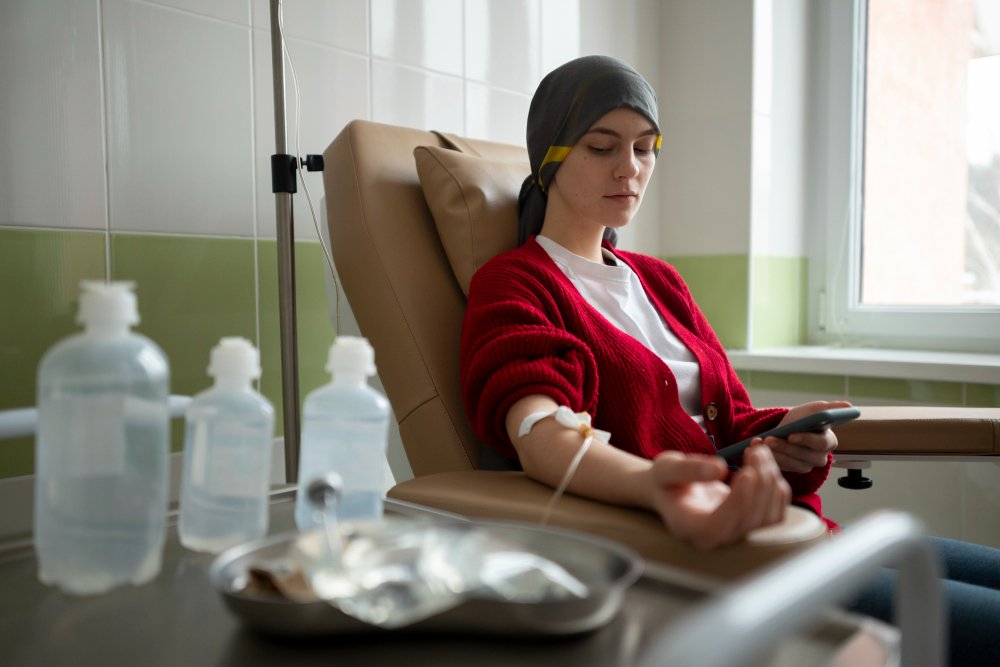
What Are the Common Challenges During Recovery After Cancer Surgery?
Healing after cancer surgery involves physical and emotional adjustments. Some changes improve within a few days, while others may take several weeks or months to settle. Understanding these challenges can help patients prepare for recovery without becoming unnecessarily worried about every change.
- Pain and Discomfort
- Pain around the surgical area is common after an operation. The intensity depends on the procedure, the incision, and the tissues involved.
- Patients may experience soreness, tightness, or discomfort while moving, coughing, or changing positions. Doctors prescribe suitable pain relief medicines and provide instructions on how to use them safely.
- Pain that becomes worse instead of improving, or pain accompanied by fever, redness, or unusual swelling, should be reported to the medical team.
- Fatigue and Low Energy
- Feeling tired after cancer surgery is common. The body uses considerable energy to repair tissues and recover from the stress of the operation.
- Anaesthesia, reduced food intake, blood loss, poor sleep, and limited movement can also contribute to fatigue.
- Patients should allow themselves time to rest and gradually increase activity. Trying to return to a full routine too soon can make exhaustion worse.
- Changes in Appetite and Digestion
- Some patients experience nausea, reduced appetite, constipation, diarrhoea, or bloating after surgery. These changes may be related to anaesthesia, pain medicines, reduced activity, or the type of operation.
- Surgeries involving the stomach, intestines, pancreas, or other digestive organs can have a more direct effect on eating and digestion.
- Doctors may recommend smaller meals, specific dietary changes, or medicines to manage these symptoms.
- Swelling and Fluid Accumulation
- Swelling around the surgical area can occur as part of the body’s normal healing response. It usually improves gradually, although some patients may experience longer-lasting swelling.
- After lymph node removal, some patients develop lymphoedema, which is swelling caused by a build-up of lymph fluid. It can affect the arms, legs, or other areas depending on the surgery.
- Early assessment and appropriate management can help prevent the condition from becoming more difficult to manage.
- Emotional Stress and Anxiety
- Cancer surgery can be emotionally demanding. Patients may feel anxious about the pathology report, further treatment, recurrence, or changes in their appearance and physical abilities.
- It is normal to experience a range of emotions during recovery. Talking to family members, counsellors, support groups, or the treating medical team can help patients manage these concerns.
- Changes in Body Image and Confidence
- Some cancer operations change the appearance or function of the body. For example, breast surgery may affect body image, while head and neck procedures may change facial appearance, speech, or swallowing.
- Patients may need time to adjust to these changes. Reconstructive procedures, rehabilitation, counselling, and support from loved ones can help them regain confidence.
- Sleep Difficulties
- Pain, anxiety, changes in routine, and certain medicines can affect sleep after surgery. Some patients may find it uncomfortable to lie in their usual sleeping position.
- Following the doctor’s advice on sleeping positions, taking prescribed medicines correctly, and maintaining a regular sleep routine can help. Persistent sleep difficulties should be discussed with the medical team.

Why Choose Healius for Cancer Treatment in Bangalore?
Cancer surgery is an important part of treatment, but patients also need careful medical guidance before and after the operation. At Healius, the focus is on providing specialist-led cancer care that considers the patient’s diagnosis, stage of cancer, overall health, and individual treatment requirements.
From understanding the available treatment approaches to monitoring recovery and managing treatment-related concerns, the medical team places importance on supporting patients through different stages of their cancer care journey. Treatment planning takes into account relevant diagnostic findings and the patient’s response to care, helping guide decisions about surgery and any additional treatment that may be required.
For individuals looking for the Best Cancer Hospital in Bangalore, Healius brings together important aspects of cancer management, including specialist evaluation, personalised treatment planning, follow-up assessments, and guidance on managing recovery. With attention to both treatment requirements and post-operative needs, Healius supports patients seeking Cancer Treatment in Bangalore through a more coordinated approach to cancer care.
Recovery After Cancer Surgery Is a Process, Not a Deadline
Finishing cancer surgery can bring a sense of relief, but the days and weeks that follow come with their own set of adjustments. The body needs time to heal, strength needs to be rebuilt, and everyday activities may have to be approached differently for a while. Some patients begin feeling better within a few weeks, while others need several months before they are comfortable returning to their usual routines. Neither experience is unusual. What matters is that recovery progresses safely and that patients receive the right support along the way.
So, how long does it take to recover after cancer surgery The answer depends on the type of operation, the extent of the procedure, the patient’s health, and whether further treatment is required. A minor operation and a major organ-removal surgery cannot be compared using the same timeline. Even among patients who undergo similar procedures, healing can happen at different speeds.
For individuals seeking Cancer Treatment in Bangalore, having access to specialist guidance can make the recovery process easier to understand and navigate. At Healius, the focus is on cancer care that takes into account the patient’s diagnosis, treatment requirements, and progress after surgery.
Remember, recovery is not a race to return to your old routine. Give your body the time it needs, follow your medical team’s advice, and take each improvement as a step forward. With appropriate care, monitoring, and support, patients can work towards regaining their strength and adjusting to life after cancer surgery.
