
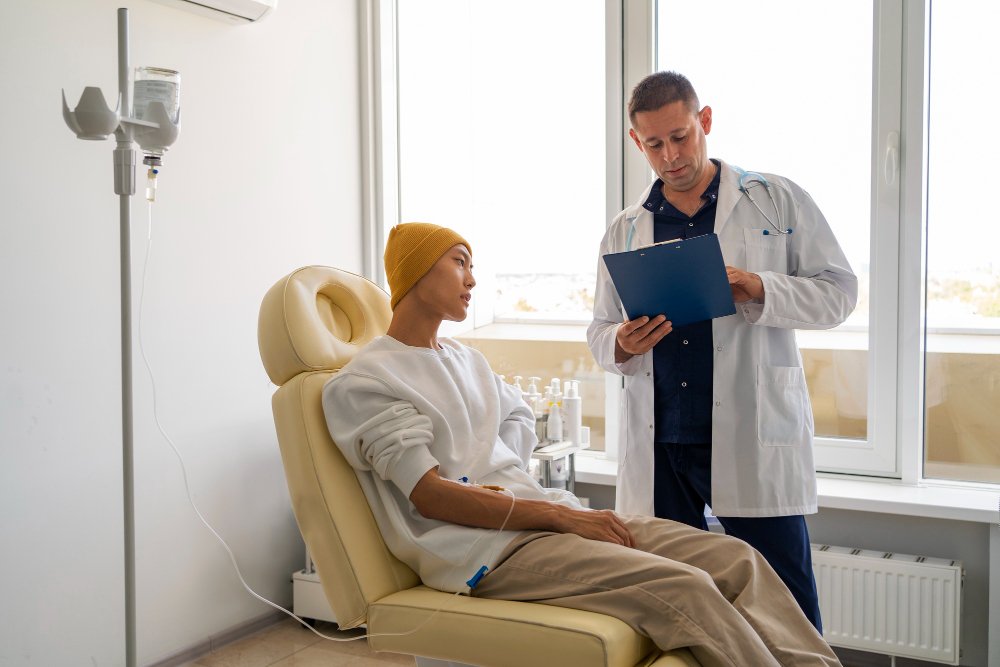
What Causes Cancer in Young Adults?
Cancer is often associated with older age, which is why hearing about a cancer diagnosis in someone in their twenties or thirties can come as a shock. At an age when most people are focused on building careers, starting families, travelling, or making long-term plans, cancer may be the last thing they expect to deal with. This can leave young adults and their families with several questions, the most common being: How did this happen? Was there something that caused it? Could it have been prevented?
So, what causes cancer in young adults? There is no single answer. Cancer develops when changes in the DNA of cells affect the way they grow, divide, and repair themselves. These changes can happen for several reasons, including inherited genetic conditions, certain infections, tobacco use, alcohol consumption, exposure to radiation, environmental factors, and lifestyle-related influences. In many cases, however, doctors cannot identify one specific cause.
Understanding the possible causes is useful, but recognising unusual changes in the body is equally important. A persistent lump, unexplained weight loss, unusual bleeding, or ongoing fatigue should not be ignored simply because someone is young.
In this blog, we will look at the possible causes of cancer in young adults, the risk factors to know about, common warning signs, and when to seek medical attention. We will also discuss how timely diagnosis and appropriate Cancer Treatment in Bangalore can help patients understand their options and take the next steps in their care.
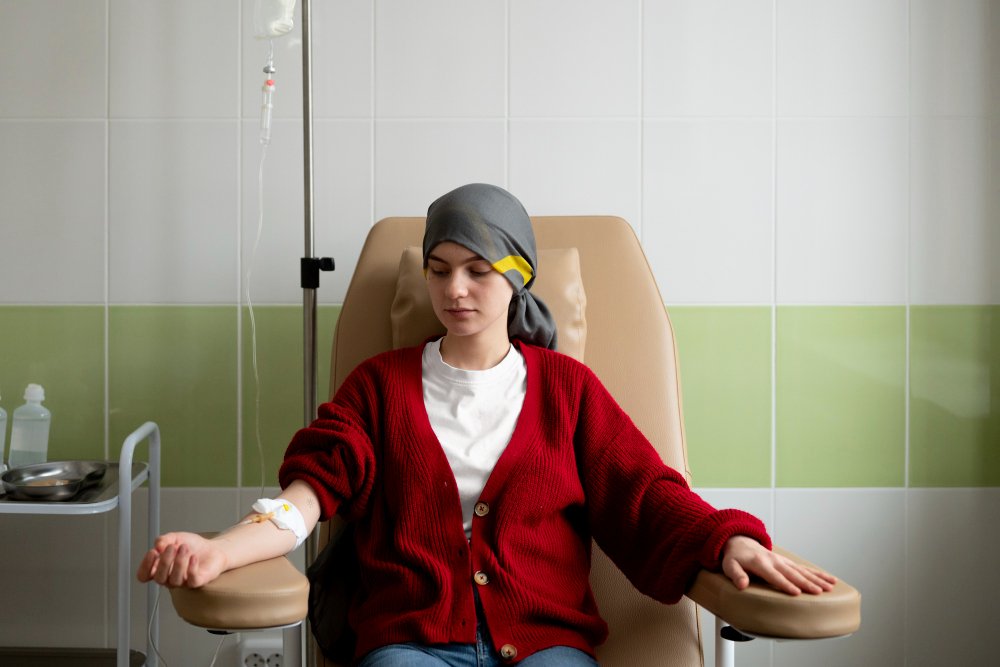
What Increases the Risk of Cancer at a Young Age?
Cancer develops when cells acquire changes that allow them to grow and divide abnormally. Normally, the body has systems that regulate cell growth, repair damaged DNA, and remove cells that are no longer functioning properly. When these systems are affected, abnormal cells may continue multiplying and, in some cases, form a tumour or spread to other parts of the body.
When people ask what causes cancer in young adults, it is important to look at both genetic and external influences. Some factors increase the likelihood of developing cancer, but having a risk factor does not mean that a person will definitely develop the disease.
Here are some of the factors that may contribute to cancer in younger people.
- Genetic changes and inherited conditions
- Every cell in the body contains DNA, which carries instructions for how cells function. Certain changes in DNA can affect the genes responsible for controlling cell growth and repair.
- Some genetic changes develop during a person’s lifetime, while others are inherited from a parent. Inherited changes can increase the risk of developing particular cancers at a younger age.
- For example, inherited changes in the BRCA1 and BRCA2 genes can increase the risk of breast and ovarian cancer. Certain inherited conditions, such as Lynch syndrome and familial adenomatous polyposis, can also increase the risk of colorectal and other cancers.
- However, not every young adult diagnosed with cancer has an inherited genetic condition. Genetic counselling and testing may be recommended when there is a strong family history, an unusually young age at diagnosis, or a pattern of certain cancers within the family.
- Exposure to tobacco and alcohol
- Tobacco use is one of the established preventable risk factors for cancer. Cigarettes, bidis, chewing tobacco, and other tobacco products contain harmful substances that can damage DNA and affect normal cell function.
- Tobacco is associated with several cancers, including those of the mouth, throat, lungs, oesophagus, and bladder. The risk generally increases with the amount and duration of exposure, but there is no completely safe level of tobacco use.
- Alcohol consumption is also linked to certain cancers, including cancers of the mouth, throat, oesophagus, liver, breast, and bowel. The risk can increase with the amount consumed.
- Avoiding tobacco and limiting or avoiding alcohol can reduce exposure to these known cancer risks. However, it is important not to assume that every cancer diagnosis in a young person is caused by these habits.

- Certain viral infections
Some infections can increase the risk of cancer by affecting normal cell activity over time. This is particularly relevant to certain cancers diagnosed in younger adults.
Examples include:
- Human papillomavirus (HPV): Certain high-risk types of HPV can cause changes in cells that may eventually lead to cervical cancer and some cancers of the anus, penis, vagina, vulva, and oropharynx.
- Epstein-Barr virus (EBV): This common virus is associated with certain lymphomas and other cancers, although most people infected with EBV never develop cancer.
- Hepatitis B and C viruses: Long-term infection with these viruses can cause liver inflammation and increase the risk of liver cancer.
- Human immunodeficiency virus (HIV): HIV weakens the immune system and increases the risk of certain cancers, partly because the body may be less able to control cancer-associated infections.
- Human herpesvirus 8 (HHV-8): This virus is associated with Kaposi sarcoma, a cancer that is more likely to develop in people with weakened immune systems.
Not everyone with these infections develops cancer. Vaccination against HPV and hepatitis B, appropriate testing, and timely treatment of infections can help reduce certain cancer risks.
- Radiation exposure
- Exposure to certain types of radiation can damage DNA and increase the risk of cancer. The level of risk depends on the type of radiation, the amount of exposure, and the age at which exposure occurs.
- Ultraviolet radiation from sunlight and tanning beds can damage skin cells and increase the risk of melanoma and other skin cancers. Repeated sunburns, particularly during childhood and adolescence, are an important risk factor.
- Exposure to ionising radiation, including certain medical radiation treatments, can also increase the risk of cancer. For example, some people who received radiation therapy for an earlier cancer may have a higher risk of developing another cancer later in life.
This does not mean that necessary medical imaging or radiation therapy should be avoided. Doctors recommend these procedures when the expected medical benefits outweigh the risks. Patients should follow medical advice and discuss any concerns about previous radiation exposure.
- Lifestyle and metabolic factors
- Lifestyle choices can influence cancer risk, although they do not explain every diagnosis in young adults.
- Factors such as excess body weight, low physical activity, and certain dietary patterns have been associated with an increased risk of some cancers. These influences may affect hormones, inflammation, and other processes involved in normal cell function.
Maintaining a balanced diet, staying physically active, avoiding tobacco, and limiting alcohol can support overall health and help reduce certain cancer risks. However, these habits cannot guarantee that cancer will never develop.
- Environmental and occupational exposures
- People may come into contact with certain cancer-causing substances through their surroundings, workplaces, or living conditions. The effect depends on the substance, the amount of exposure, and how long the exposure continues.
- For example, asbestos exposure is associated with mesothelioma and lung cancer. Certain industrial chemicals, air pollutants, and workplace substances are also linked to specific cancers.
These exposures are not equally relevant to everyone. Protective equipment, workplace safety measures, and environmental regulations help reduce exposure to known carcinogens.
Common Risk Factors for Cancer in Young Adults
Not every risk factor applies to every cancer. Some are associated with specific cancer types, while others may influence the risk of several cancers.
The following table provides an overview of common risk factors and the cancers they may be associated with.
| Risk Factor | Cancers Associated With It |
| Inherited genetic changes, such as BRCA1 or BRCA2 | Breast, ovarian, prostate, and pancreatic cancers |
| Persistent high-risk HPV infection | Cervical, anal, penile, vulvar, vaginal, and some oropharyngeal cancers |
| Tobacco use | Lung, mouth, throat, oesophageal, and bladder cancers |
| Alcohol consumption | Mouth, throat, oesophageal, liver, breast, and colorectal cancers |
| Excess body weight | Certain breast, colorectal, kidney, endometrial, and other cancers |
| Ultraviolet radiation exposure | Melanoma and other skin cancers |
| Chronic hepatitis B or C infection | Liver cancer |
| HIV-related immune suppression | Certain lymphomas, Kaposi sarcoma, and other cancers |
| Previous radiation therapy | Certain secondary cancers, depending on the treatment and exposure |
| Asbestos exposure | Mesothelioma and lung cancer |
What Are the Early Signs of Cancer in Young Adults?
One of the challenges with cancer in young adults is that the symptoms can resemble common health concerns. Fatigue, headaches, digestive problems, and changes in weight may occur for many reasons. Most of these symptoms are not caused by cancer.
However, a symptom that persists, becomes more noticeable, or appears without an obvious explanation deserves attention.
Here are some warning signs to look out for.
- Unexplained weight loss
- Losing weight without making changes to your diet or exercise routine can sometimes be associated with cancer. This may happen because certain cancers affect appetite, metabolism, digestion, or the body’s energy requirements.
- Unexplained weight loss can also occur due to thyroid problems, digestive conditions, infections, and other health issues. If the weight loss is significant or continues without an explanation, consult a doctor.

- Persistent lumps or swelling
- A new lump in the breast, testicle, neck, armpit, or another part of the body should not be ignored, particularly if it does not go away or continues to grow.
- Not every lump is cancerous. Many are caused by cysts, infections, or other non-cancerous conditions. However, a medical examination can help identify the cause and determine whether further testing is needed.
- Ongoing fatigue
- Feeling tired after a busy day is common. Persistent fatigue that does not improve with adequate rest may need medical attention, especially when it occurs alongside other symptoms.
- Some blood cancers, including leukaemia and lymphoma, can cause fatigue. However, anaemia, sleep disorders, infections, hormonal conditions, and nutritional deficiencies can also lead to similar symptoms.
- Unusual bleeding or bruising
- Unexpected bleeding can sometimes be a warning sign. Examples include blood in the urine or stool, bleeding between menstrual periods, unusually heavy menstrual bleeding, or repeated nosebleeds.
- Easy bruising or bleeding that takes longer than usual to stop may also require assessment. These symptoms can have several causes, including blood-related conditions, so they should not be ignored.
- Changes in bowel or bladder habits
- Persistent constipation, diarrhoea, changes in stool appearance, difficulty passing urine, or blood in the stool or urine should be discussed with a doctor.
- These symptoms are often related to digestive or urinary conditions rather than cancer. However, if they continue or occur with other unexplained changes, medical evaluation is important.
- Persistent pain or discomfort
- Pain that does not improve, keeps returning, or becomes progressively worse should be evaluated. The location and nature of the pain may provide clues about its cause.
- For example, persistent abdominal discomfort, unexplained bone pain, or ongoing headaches may need further investigation depending on the person’s medical history and other symptoms.
- Changes in the skin or existing moles
- A mole that changes in size, shape, or colour, or develops itching or bleeding, should be examined by a doctor. New skin growths that do not heal also deserve attention.
- These changes do not automatically mean melanoma or another skin cancer is present. A dermatologist can examine suspicious areas and recommend a biopsy if necessary.
- Fever, night sweats, or repeated infections
- Unexplained fever, heavy night sweats, or repeated infections may sometimes occur with blood cancers and lymphomas. However, infections and several other medical conditions can cause the same symptoms.
- If these problems persist, recur, or occur alongside swollen lymph nodes, unexplained weight loss, or fatigue, seek medical advice.
Which Types of Cancer Are Commonly Seen in Young Adults?
Cancer in younger people does not always follow the same pattern seen in older age groups. Some cancers are relatively more common in adolescents and young adults, although their frequency varies by age, sex, geography, and other factors.
- Breast cancer: Breast cancer is less common in younger women than in older women, but it can still occur. A family history of breast or ovarian cancer, certain inherited genetic changes, and previous radiation exposure can increase risk.
- Testicular cancer: Testicular cancer is one of the more commonly diagnosed cancers in younger adult men. It can occur in one or both testicles, although it usually affects one.
- Thyroid cancer: Thyroid cancer can affect younger adults and is diagnosed more frequently in women than men. It may first appear as a lump or swelling in the front of the neck.
- Lymphoma: Lymphoma is a cancer that begins in the lymphatic system, which is part of the body’s immune system. Hodgkin lymphoma is particularly relevant in younger adults, although non-Hodgkin lymphoma can also occur.
- Leukaemia: Leukaemia is a cancer of the blood-forming tissues, including the bone marrow. It affects the production and function of blood cells.
- Melanoma: Melanoma is a type of skin cancer that can affect younger adults. Exposure to ultraviolet radiation, including sunlight and tanning beds, is an important risk factor.
- Colorectal cancer: Although colorectal cancer is more common in older adults, diagnoses among younger adults have increased in several countries. The reasons for this trend are still being studied and may involve a combination of genetic, lifestyle, and environmental factors.

Why Choose Healius for Cancer Treatment in Bangalore?
A cancer diagnosis at a young age can bring questions about treatment, recovery, work, relationships, and future plans. Having access to the right medical guidance can help patients understand their diagnosis and make informed decisions about their care. Healius focuses on cancer and blood-related conditions, bringing oncology care into the picture for patients who need assessment and treatment.
For individuals looking for the Best Cancer Hospital in Bangalore, Healius offers access to oncology services supported by specialist assessment and treatment planning based on individual medical requirements. From understanding diagnostic reports and evaluating the stage of cancer to discussing suitable treatment options and monitoring progress, each step plays an important role in cancer care.
Treatment recommendations may involve surgery, chemotherapy, radiation therapy, targeted therapy, immunotherapy, or a combination, depending on the cancer type and clinical findings. With attention to the patient’s diagnosis and treatment needs, Healius aims to support individuals through their cancer care journey.
Cancer in Young Adults: Awareness Can Make a Difference
A cancer diagnosis in your twenties or thirties can raise questions that are difficult to answer immediately. You may wonder whether it runs in your family, whether something in your lifestyle contributed to it, or whether there were signs you missed. These questions are understandable, but it is important to remember that cancer does not always have one identifiable cause. In many cases, it develops through a combination of genetic changes and other biological processes that are not entirely within a person’s control.
For those looking for Cancer Treatment in Bangalore, Healius provides access to oncology services with a focus on specialist assessment, treatment planning, and monitoring. Whether you are seeking clarity about unusual symptoms or exploring treatment options after a diagnosis, timely medical guidance can help you understand what comes next.
Being young does not make someone immune to cancer, but a diagnosis does not define the rest of their life either. Pay attention to your health, understand your individual risk, follow recommended screening guidelines, and do not hesitate to seek medical advice when something feels unusual. The earlier you understand what is happening, the sooner you can take an informed step towards the care you need.
