

How Many Rounds of Chemotherapy Are Usually Needed?
When someone hears the word chemotherapy, one of the first questions that often comes to mind is, “How long will the treatment last?” It is a reasonable question. Cancer treatment can affect almost every part of daily life, from work and family responsibilities to energy levels, appetite, hair, and skin. Knowing what lies ahead can make the entire process feel a little less uncertain.
So, how many rounds of chemotherapy are usually needed? The answer depends on several factors, including the type of cancer, its stage, the medicines being used, how well the cancer responds to treatment, and how well the patient’s body tolerates it. Some people may need only a few cycles, while others may undergo treatment over several months. In certain situations, chemotherapy is also given alongside surgery, radiation therapy, targeted therapy, or immunotherapy.
It is important to understand that chemotherapy is not usually given as one continuous treatment without breaks. Instead, it is commonly organised into cycles. A cycle includes the days when chemotherapy medicines are administered and the recovery period before the next cycle begins. These breaks allow the body time to recover from some of the effects of treatment.
At Healius, patients exploring Chemotherapy Treatment in Bangalore can enquire about oncology services and discuss their diagnosis, treatment schedule, expected side effects, and recovery needs with the appropriate specialists. Understanding the treatment plan from the beginning can help patients prepare for the practical and emotional aspects of care.
In this blog, we will explain how chemotherapy cycles work, what determines the number of rounds required, how long treatment may take, and what patients can do to look after themselves throughout the process.
What Is a Round of Chemotherapy?
Before discussing the number of rounds required, it helps to understand what doctors mean when they talk about chemotherapy cycles. The terms round, cycle, and session are sometimes used interchangeably in everyday conversations, but they do not always mean the same thing.
Understanding the difference between a cycle and a session
Chemotherapy session: This refers to an individual treatment appointment during which chemotherapy medicines are administered. Depending on the treatment plan, a session may last from a short period to several hours.
Chemotherapy cycle: A cycle includes the planned treatment days and the recovery period that follows. For example, a patient might receive chemotherapy on the first day and then have a few weeks before the next cycle begins.
Number of rounds: When people ask how many rounds they will need, they are generally asking how many treatment cycles their oncologist plans to administer.
Recovery period: The time between cycles gives the body an opportunity to recover. Doctors may use this period to monitor blood counts, assess side effects, and decide whether the next cycle can proceed as scheduled.
Treatment course: This refers to the overall planned period of chemotherapy, which may include several cycles. The full course may last weeks or months, depending on the cancer and the treatment protocol.

How Many Rounds of Chemotherapy Are Usually Needed?
There is no single number of chemotherapy rounds that applies to every patient. Some treatment plans involve four cycles, while others may involve six, eight, or more. Certain cancers require a different schedule altogether, including maintenance treatment that continues for a longer period.
When patients ask how many rounds of chemotherapy are usually needed, oncologists consider the purpose of treatment rather than relying on a fixed number. Chemotherapy may be given to cure cancer, reduce the risk of it returning, shrink a tumour before surgery, or control cancer that has spread.
The following factors help explain why treatment schedules differ.
- The type of cancer
Different cancers respond to different medicines. Some cancers may be treated with a relatively short course of chemotherapy, while others require multiple cycles or a combination of medicines.
- The stage of cancer
The stage describes how far the cancer has grown or spread. However, a higher stage does not automatically mean that a person will need more chemotherapy cycles.
- The purpose of chemotherapy
The goal of treatment plays an important role in determining its duration.
- Curative treatment: Chemotherapy may be part of a treatment plan intended to eliminate the cancer.
- Adjuvant treatment: Chemotherapy is given after surgery or another primary treatment to help reduce the risk of cancer returning.
- Neoadjuvant treatment: Chemotherapy is administered before surgery or another treatment to shrink the tumour or make further treatment more effective.
- Disease control: Chemotherapy may help slow cancer growth and manage the disease when a cure is not possible.
- Symptom relief: In some situations, treatment may help reduce symptoms caused by cancer and improve quality of life.
- The medicines being used
Not every chemotherapy medicine works in the same way. Some are given intravenously, while others are taken orally. Certain medicines are administered on a single day, whereas others are given over several days. The combination of medicines, their doses, and the interval between treatments all influence the number and timing of cycles.
- How the body responds to treatment
Doctors assess how well the cancer is responding and whether the patient is tolerating the medicines. Blood tests, scans, physical examinations, and symptom reviews may be used during treatment.
If the cancer responds as expected, the planned course may continue. If significant side effects occur, the oncologist may recommend a delay, dose adjustment, or change in treatment. These decisions are made according to the patient’s clinical needs.
Typical Chemotherapy Cycles for Different Cancers
The number of rounds varies considerably by diagnosis and treatment plan. The table below provides general examples to help explain how chemotherapy schedules may differ. These are not fixed recommendations for individual patients.
| Cancer Type or Treatment Situation | Typical Chemotherapy Schedule |
| Breast cancer | Some treatment regimens involve around 4 to 8 cycles, depending on the cancer subtype, stage, medicines, and whether surgery or other treatments are planned. |
| Colorectal cancer | Some treatment plans involve around 3 to 6 months of chemotherapy, depending on the stage, surgical findings, and prescribed regimen. |
| Lung cancer | Certain chemotherapy combinations are given for around 4 to 6 cycles, depending on the cancer type, stage, and response to treatment. |
| Ovarian cancer | Initial chemotherapy commonly involves several cycles, often around 6 in some treatment plans. The duration depends on the stage, surgery, and treatment response. |
| Lymphoma | Some treatment plans involve around 4 to 8 cycles, depending on the specific lymphoma subtype and how the cancer responds. |
| Advanced or metastatic cancer | Treatment may continue for a planned number of cycles or follow a longer-term schedule, depending on treatment response, side effects, and disease progression. |

What Happens During Each Chemotherapy Cycle?
Chemotherapy follows a planned schedule, but every appointment does not necessarily look the same. Some cycles involve a single infusion, while others require several visits or a combination of medicines taken at home.
Here is how a typical cycle may progress.
Step 1: Preparing for treatment
- Before a cycle begins, the healthcare team may review the patient’s symptoms, previous side effects, blood test results, and general health.
- The purpose is to determine whether the next treatment can be given safely.
- Patients should tell their team about any new symptoms, infections, medicines, supplements, or changes in their health.
- They should also ask whether they need to follow any specific instructions regarding food, fluids, or medicines before arriving.
Step 2: Receiving chemotherapy medicines
- Depending on the regimen, medicines may be administered through an intravenous line, a port, or another prescribed method.
- Some patients receive more than one medicine during a session.
- The length of an appointment depends on the medicines, the dose, premedication, and monitoring requirements.
- Patients should not assume that every appointment will take the same amount of time.
Step 3: Managing the first few days after treatment
- Some people feel relatively well after chemotherapy, while others experience tiredness, nausea, appetite changes, or other side effects.
- Symptoms may begin immediately or develop over the following days.
- The timing and severity depend on the medicines being used.
- Patients should follow the supportive care instructions provided by their team and report symptoms that are severe, persistent, or unexpected.
Step 4: Allowing time for recovery
- The gap between cycles is an important part of the treatment plan.
- During this period, the body may recover from some treatment-related effects, including changes in blood cell counts.
- Doctors may schedule blood tests or other assessments before the next cycle. If recovery takes longer than expected, treatment may need to be postponed.
Step 5: Reviewing progress
- Throughout the course, the treating team evaluates whether the treatment remains appropriate.
- This may involve checking symptoms, reviewing laboratory results, performing examinations, or arranging imaging tests at specific points.
- If changes are needed, the oncologist will explain the reason and discuss the next steps.
- A change in schedule does not automatically mean that treatment has failed.
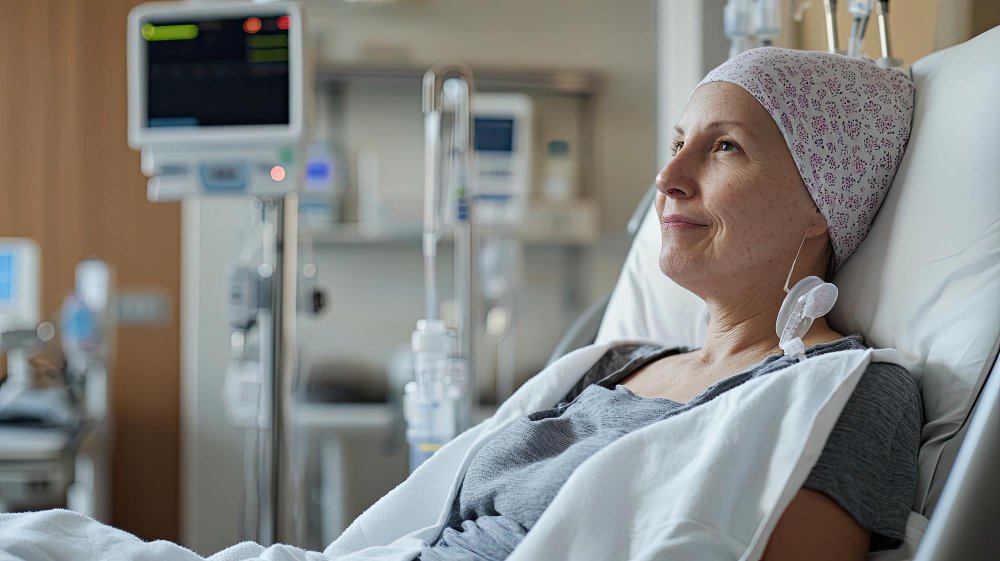
What Side Effects Might Occur Between Chemotherapy Rounds?
Chemotherapy medicines are designed to target cancer cells, but they can also affect certain healthy cells. This is why side effects may develop during or after treatment. Not everyone experiences the same effects, and their severity depends on the medicines, dosage, and individual response.
Common side effects to discuss with your doctor
- Tiredness: Fatigue can affect daily activities and may build up over several cycles. Rest, gentle movement when appropriate, adequate nutrition, and medical assessment of persistent fatigue can help.
- Nausea and vomiting: Some medicines are more likely to cause nausea than others. Preventive medication may be prescribed, so patients should follow their instructions and report symptoms that remain difficult to manage.
- Changes in appetite: Food may taste different, or patients may feel full sooner than usual. Smaller, more frequent meals and advice from a dietitian may help maintain adequate nutrition.
- Changes in blood counts: Chemotherapy may reduce certain blood cells, increasing the risk of infection, anaemia, or bleeding. Follow-up tests and clear instructions about when to seek help are important.
- Nerve-related symptoms: Certain medicines can cause tingling, numbness, or discomfort in the hands and feet. Report these symptoms promptly because early assessment may help prevent them from worsening.
- Hair loss: Some chemotherapy medicines cause partial or complete hair loss, while others have little effect on hair. Hair may grow back after treatment, although the timing and texture can vary.
- Skin and nail changes: Dryness, itching, sensitivity, rashes, nail discolouration, or changes in pigmentation may occur with some regimens. The exact effects depend on the medicine being used.
Why Choose Healius for Chemotherapy Treatment in Bangalore?
Cancer treatment requires more than a prescribed course of medicines. It involves accurate diagnosis, careful treatment planning, regular monitoring, and medical guidance at every stage. At Healius, the focus is on providing patients with access to oncology care that addresses their diagnosis, treatment requirements, and overall well-being. With an emphasis on specialist-led care and individual treatment needs, Healius supports patients throughout their Chemotherapy Treatment in Bangalore.
Here are some reasons why patients choose Healius for their cancer care:
- Specialist-Led Cancer Care: Effective cancer management begins with a clear understanding of the condition. At Healius, specialist assessment helps evaluate the patient’s diagnosis, cancer stage, medical history, and overall health to determine an appropriate course of treatment.
- Personalised Chemotherapy Treatment Plans: No two cancer cases are exactly alike. Chemotherapy plans are tailored according to the type and stage of cancer, treatment goals, medicines prescribed, and the patient’s response. This helps determine the appropriate number of cycles, dosage, and intervals for each individual.
- Comprehensive Treatment Monitoring: Monitoring plays an important role throughout chemotherapy. Regular clinical assessments and recommended investigations help track treatment response, check blood counts, and identify potential side effects. These evaluations also help doctors determine whether any changes to the treatment plan are necessary.
- Focus on Side Effect Management: Chemotherapy can bring changes in energy levels, appetite, hair, skin, and overall health. Timely medical guidance helps patients understand these changes and manage treatment-related discomfort. Patients also receive guidance on symptoms that require immediate medical attention.
- Care That Extends Beyond Treatment Sessions: Cancer care does not begin and end with chemotherapy appointments. Understanding recovery periods, maintaining nutrition, managing daily activities, and attending follow-up assessments are all important parts of the process. Healius places importance on addressing these aspects as part of the patient’s overall cancer care journey.
Every Chemotherapy Journey Begins With the Right Care
The number of chemotherapy rounds you need is not something that can be determined by a general rule or by comparing your treatment with someone else’s experience. Some patients complete their planned treatment in a few cycles, while others require a longer course or additional treatment afterwards. The schedule depends on the type and stage of cancer, the medicines selected, the goal of treatment, and how the body responds.
If you are wondering how many rounds of chemotherapy are usually needed, start by asking your oncologist about the proposed regimen. Find out how many cycles are planned, how often you will need to attend appointments, how long each visit may take, and what tests will be performed before or during treatment. It is also useful to ask what might cause a delay, how your response will be assessed, and what the next step will be after the final cycle.
Remember that the time between chemotherapy rounds is part of the treatment plan, not wasted time. Recovery periods allow the healthcare team to monitor your health and determine whether it is appropriate to continue. If side effects become difficult to manage, report them rather than trying to push through without help.
For those looking for Chemotherapy Treatment in Bangalore, Healius brings together specialist guidance, personalised treatment planning, and ongoing medical monitoring to support patients throughout their cancer care journey. Every treatment plan is guided by the patient’s diagnosis, overall health, and specific medical requirements, ensuring that care is tailored to their individual needs.
