
How Can I Manage Chemotherapy Side Effects?
Starting chemotherapy can bring a strange mix of emotions. You may feel relieved that treatment has begun, worried about what comes next, and overwhelmed by everything you have been told to expect. One of the biggest concerns for many patients is not just the treatment itself, but the side effects that may come with it. Will I feel sick? Will I lose my hair? Will I always be tired? Can I continue working? What should I eat? And most importantly, how can I manage chemotherapy side effects without making everyday life even harder?
The good news is that you do not necessarily have to simply tolerate every side effect until chemotherapy is over. Many common side effects can be prevented, reduced or treated. Your cancer care team can prescribe medicines for problems such as nausea and vomiting, monitor your blood counts, help manage pain and other symptoms, and make changes to your treatment plan when medically appropriate. Side effects also vary considerably from one person to another. The type and dose of chemotherapy, the cancer being treated, your general health and other medicines you take can all influence what you experience.
This is why knowing what to expect can make chemotherapy feel a little less unpredictable. Fatigue, nausea, changes in appetite, constipation, diarrhoea, mouth sores, hair loss, skin changes and nerve-related symptoms are some of the effects that may occur, but not everyone experiences all of them.
Why Does Chemotherapy Cause Side Effects?
Before looking at ways to manage side effects, it helps to understand why they happen in the first place. Chemotherapy medicines are designed to attack cancer cells, particularly cells that grow and divide quickly. However, some healthy cells also grow quickly. These include cells in the hair follicles, mouth, digestive tract and bone marrow. When chemotherapy affects these healthy cells, side effects can occur.
The important thing to remember is that side effects do not tell you whether chemotherapy is working. Having severe side effects does not necessarily mean the treatment is more effective, and having very few side effects does not mean the treatment is not working.
1. Different chemotherapy drugs cause different effects
There are many types of chemotherapy medicines, and they do not all affect the body in the same way. Your doctor will consider the particular medicines being used when explaining what you might experience.
2. The dose matters
The amount of chemotherapy you receive can influence the type and severity of side effects. Your oncology team will determine the dose based on factors such as your cancer, treatment plan and overall health.
3. Your health also plays a role
Existing health conditions, nutritional status and other medicines can affect how your body handles chemotherapy.
4. Side effects can appear at different times
Some effects may happen during or soon after treatment, while others may appear several days later. Certain side effects may continue for longer or develop after several treatment cycles.
5. Everyone responds differently
Two people receiving similar chemotherapy can have very different experiences. One person may have significant nausea while another may have little or none. Some people experience considerable fatigue, while others remain relatively active.
Understanding this difference is important because there is no single answer to how can I manage chemotherapy side effects. Your management plan needs to be based on the symptoms you actually experience and the treatment you are receiving.
8 Common Chemotherapy Side Effects and What You Can Do
Chemotherapy side effects can affect different parts of your body and your everyday routine. Here are some of the most common ones and practical ways they may be managed.
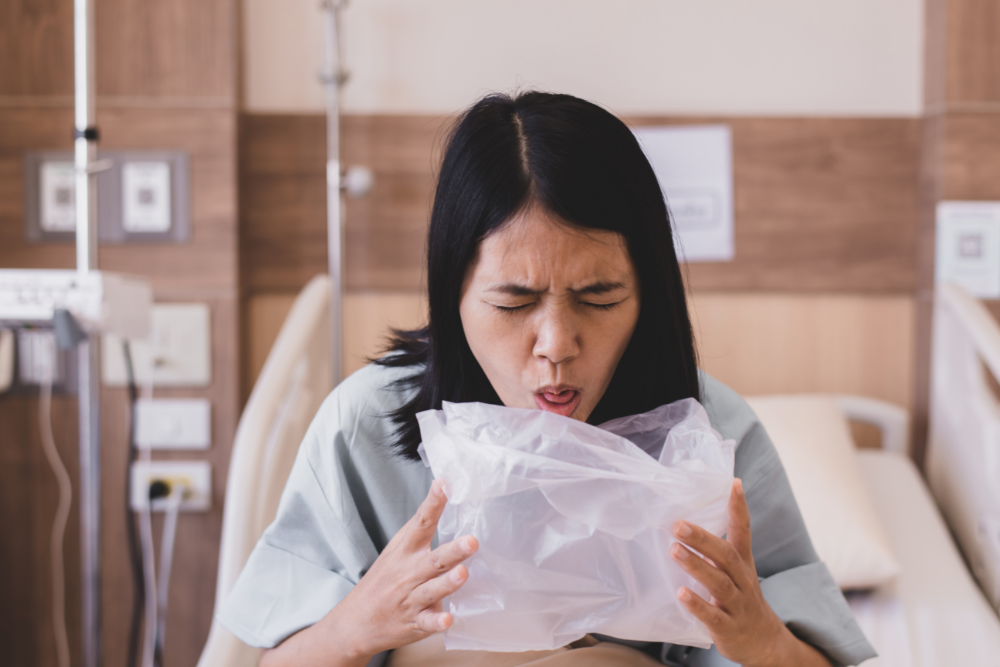
1. Nausea and Vomiting
Nausea is one of the side effects many patients worry about before chemotherapy even begins. Fortunately, several medicines are available to prevent or reduce chemotherapy-related nausea and vomiting.
- You can also make your routine easier by:
- Eating smaller meals instead of forcing yourself to eat large portions.
- Choosing foods that are easier for you to tolerate.
- Drinking fluids regularly to help prevent dehydration.
- Avoid strong smells if they make your nausea worse.
- Taking anti-nausea medicines exactly as prescribed rather than waiting until nausea becomes severe.
2. Fatigue
Fatigue can feel different from ordinary tiredness. You may sleep and still feel as though your energy has not returned.
To manage it:
- Prioritise the tasks that genuinely need your attention.
- Accept help with cooking, cleaning, travel or other everyday responsibilities.
- Take short periods of rest rather than staying in bed all day.
- Try gentle physical activity if your doctor says it is safe.
- Maintain a regular sleep routine.
- Plan important activities around the times when you usually have more energy.
Fatigue can also be related to anaemia, infection, poor nutrition or other treatment-related issues, so persistent or severe tiredness should be discussed with your care team.
3. Loss of Appetite and Taste Changes
Food may suddenly taste different during chemotherapy. You may notice a metallic taste, reduced appetite or a dislike of foods you previously enjoyed.
Try:
- Eating smaller meals more frequently.
- Choosing foods that are appealing to you rather than forcing yourself to eat particular foods.
- Adding calorie and protein-rich foods when tolerated.
- Keeping easy-to-eat snacks available.
- Drinking enough fluids throughout the day.
If eating becomes difficult or you are losing weight, ask your cancer care team whether you should meet a dietitian.
4. Constipation
Constipation can occur because of chemotherapy itself, reduced activity, changes in food intake or some medicines used during treatment.
Depending on your doctor’s advice, you may benefit from:
- Drinking adequate fluids.
- Eating fibre-containing foods if your care team says they are appropriate.
- Staying physically active within your limits.
- Keeping track of your bowel movements.
- Asking your doctor whether a stool softener or other medicine is appropriate.
Do not start laxatives or supplements on your own without discussing them with your cancer care team.
5. Diarrhoea
Diarrhoea can cause dehydration and weakness if it continues.
You can help manage it by:
- Drinking enough fluids.
- Following the diet recommendations provided by your care team.
- Eating smaller meals if large meals worsen symptoms.
- Tracking how often you have loose stools.
- Informing your oncology team if diarrhoea is persistent or severe.
Your doctor may recommend medicines depending on the cause and severity.
6. Mouth Sores
Chemotherapy can affect the cells lining the mouth and may lead to soreness or ulcers.
To protect your mouth:
- Keep your mouth clean with gentle oral care.
- Follow your cancer team’s recommendations for mouth rinses.
- Avoid foods that irritate your mouth if you have sores.
- Choose softer foods when chewing becomes uncomfortable.
Tell your doctor if mouth sores make eating or drinking difficult.
7. Hair Loss
- Hair loss can be one of the most emotionally difficult side effects, particularly because it makes the effects of treatment visible to other people.
- Remember that not every chemotherapy medicine causes the same degree of hair loss. Depending on your treatment, you can discuss options and practical preparations with your care team.
- Some people choose to cut their hair shorter, use scarves or hats, or simply allow the change to happen without trying to hide it. There is no right way to deal with hair loss.

8. Nerve Problems
Certain chemotherapy medicines can cause peripheral neuropathy. This may feel like tingling, numbness, burning, pain or unusual sensitivity, particularly in the hands and feet.
Tell your doctor if you notice:
- Tingling in your fingers or toes.
- Numbness.
- Burning sensations.
- Difficulty holding objects.
- Problems with balance or walking.
Early reporting is important because your oncology team may be able to adjust treatment or recommend ways to manage the symptoms.
Everyday Habits That Can Make Chemotherapy Easier
Managing chemotherapy is not just about taking medicines when symptoms appear. Your everyday routine can also make a difference.
Eat for nourishment, not perfection: During chemotherapy, your nutritional needs may change. The goal is usually to give your body enough energy, protein and fluids while working around changes in appetite, taste or digestion. If you are struggling to eat, ask your cancer care team about speaking with a dietitian.
Keep moving when you can: You do not need to exercise intensely. If your doctor says physical activity is safe, short walks or gentle movement can help you stay active and may support energy levels.
Build rest into your day: Rest is important, but complete inactivity may leave you feeling even more sluggish. Try to balance rest with small amounts of activity based on how your body feels.
Keep your routine flexible: Some days may feel relatively normal while others may be harder. Avoid planning every day as though your energy will always be the same.
Stay connected: Chemotherapy can become emotionally isolating. Stay in touch with people you trust, even if you do not feel like talking about cancer every day.
Keep a symptom diary: Write down what you experience after each chemotherapy session. Note when symptoms start, how long they last, what makes them better or worse and which medicines you take. This can help your oncology team understand your pattern and adjust supportive care where appropriate.
How To Manage The Side-Effects Of Chemotherapy
Sometimes the easiest way to understand what to do is to see the symptom and response together.
| Chemotherapy Side Effect | How You Can Manage It |
| Nausea and Vomiting | Take prescribed anti-nausea medicines, eat smaller meals, sip fluids regularly, and avoid strong smells that trigger nausea. |
| Fatigue | Get adequate rest, prioritise important tasks, accept help when needed, and try gentle physical activity if your doctor says it is safe. |
| Mouth Sores | Maintain gentle oral hygiene, choose soft foods, avoid spicy or acidic foods, and use mouth rinses recommended by your care team. |
| Constipation | Drink enough fluids, stay physically active within your limits, eat fibre-rich foods if advised, and discuss suitable medicines with your doctor. |
| Diarrhoea | Drink plenty of fluids, eat smaller meals, follow your doctor’s dietary advice, and inform your care team if it continues or becomes severe. |
| Hair Loss | Use gentle hair and scalp care, consider shorter hairstyles or head coverings, and discuss expected hair loss with your oncology team. |
| Neuropathy | Report tingling, numbness, burning, or weakness early so your doctor can assess the symptoms and recommend appropriate treatment. |
| Appetite or Taste Changes | Eat small, frequent meals, choose foods that taste appealing, include nutrient-rich options, and speak to a dietitian if eating becomes difficult. |
What Should You Avoid During Chemotherapy?
When looking for answers to how can I manage chemotherapy side effects, people often focus only on what they should do. Knowing what to avoid can be just as useful.
1. Do not hide your symptoms
You may worry about bothering your doctor or feel that side effects are simply something you have to tolerate. They are not. Tell your cancer care team about new or worsening symptoms.
2. Do not start supplements without asking
Vitamins, herbal products and dietary supplements can interact with medicines or affect treatment. Always tell your oncology team about anything you are taking.
3. Do not follow extreme diets
There is no need to suddenly eliminate entire food groups or follow an internet “cancer diet” unless your medical team has specifically recommended a dietary change.
4. Do not ignore hydration
Vomiting, diarrhoea, fever and poor food intake can increase the risk of dehydration. Speak to your team if you are struggling to drink enough fluids.
5. Do not compare your treatment experience with someone else’s
Your friend, relative or someone you follow online may have had completely different chemotherapy and side effects. Their experience cannot reliably predict yours.
6. Do not change your chemotherapy schedule yourself
If side effects become difficult, contact your oncology team. They may determine whether supportive medicines, dose changes or schedule adjustments are appropriate.
Why Choose Healius for Cancer Treatment in Bangalore?
When looking for Cancer Treatment in Bangalore, patients often want a cancer care team that looks beyond the disease itself and pays attention to how treatment affects everyday life. Healius Cancer & Hematology Clinics focuses on comprehensive cancer and hematology care, with specialist-led treatment planning and attention to the different needs that can arise throughout the cancer journey.
Chemotherapy is not simply about administering medicines. Patients may need help managing nausea, fatigue, nutrition concerns, changes in blood counts, pain, neuropathy and other treatment-related effects. A coordinated oncology team can monitor these concerns and determine when additional supportive treatment or changes to the treatment plan may be appropriate.
Healius brings together different areas of cancer care so that treatment decisions can be made based on the patient’s cancer type, stage, overall health and treatment goals. For people exploring Cancer Treatment in Bangalore, this approach can provide a more structured way to understand both cancer treatment and the supportive care that goes alongside it. The focus is not only on treating the cancer, but also on helping patients navigate treatment with appropriate medical guidance throughout the process.
Managing Chemotherapy Is About More Than Getting Through the Treatment
When chemotherapy begins, it can sometimes feel as though your entire life is organised around hospital appointments, medicines and treatment cycles. But chemotherapy is only one part of the journey. How you eat, sleep, move, rest, communicate with your doctors and manage your symptoms can all affect how you experience treatment.
For patients looking for Cancer Treatment in Bangalore, choosing a cancer care team that takes side-effect management seriously can make the treatment journey easier to navigate. At Healius, patients can discuss the physical and practical challenges that come with cancer treatment with their oncology team and understand what can be done to manage them.
And if you are still asking yourself, how can I manage chemotherapy side effects, remember that there is no single routine that works for everyone. Your treatment, symptoms and body are unique. What matters is recognising changes early, communicating openly with your cancer care team and getting the right support at the right time.
Chemotherapy may be a significant part of your cancer treatment, but it does not have to define every moment of your life during treatment. With the right medical support, preparation and day-to-day care, many side effects can be managed, and you can focus your energy on what matters most: taking care of yourself while your treatment team focuses on treating the cancer.
