
Can Cancer Be Treated Without Chemotherapy?
Hearing the word “cancer” can make treatment feel like a long road filled with unfamiliar medical terms, difficult decisions and plenty of questions. One question that often comes up early is simple but important: can cancer be treated without chemotherapy? The answer is yes, in some cases. But it is not a simple yes or no because cancer is not one single disease. There are many types of cancer, and each can behave differently depending on where it starts, how advanced it is, whether it has spread and the specific characteristics of the cancer cells.
Chemotherapy is an important cancer treatment, but it is not the only treatment available. Depending on the cancer, treatment may involve surgery, radiation therapy, immunotherapy, targeted therapy, hormone therapy or a combination of several approaches. For some people, chemotherapy may not be needed at all. For others, it may play an important role in reducing the risk of recurrence, shrinking a tumour before surgery, treating cancer that has spread or controlling the disease. The National Cancer Institute explains that the choice of treatment depends on the type and stage of cancer, among other individual factors.
If you are searching for Cancer Treatment in Bangalore, it is especially important to speak with a qualified cancer care team rather than deciding on a treatment based only on what worked for someone else. Two people with the same type of cancer may receive different treatment plans because their cancers can have different stages, biomarkers and treatment responses.
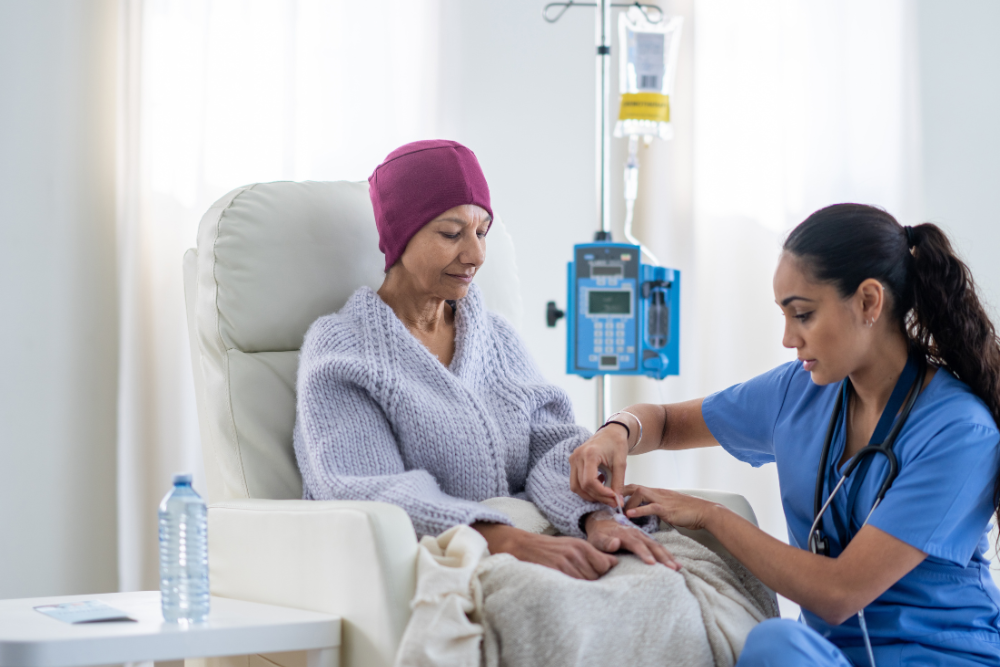
Can Cancer Be Treated Without Chemotherapy?
The short answer is yes, certain cancers can be treated without chemotherapy, but whether this is appropriate depends entirely on the individual case.
Chemotherapy uses medicines that kill cancer cells or stop them from growing. It can be used with the aim of curing cancer, reducing the chance of recurrence, slowing cancer growth or relieving symptoms caused by a tumour.
However, chemotherapy is only one part of modern cancer care. Other treatments can sometimes be used instead of chemotherapy, while in other situations they are used alongside it.
Here are some situations where chemotherapy may not necessarily be required:
The cancer is localised
Some solid tumours are confined to one area of the body. Surgery may be able to remove the tumour completely, particularly when the cancer has not spread to distant organs. Surgery is commonly used for solid tumours that are contained in one area.
Radiation therapy is suitable
Certain cancers respond well to radiation therapy. Radiation uses high-energy radiation to damage cancer cells and can sometimes be used as the main treatment. In other cases, it is combined with surgery or another treatment.
The cancer has a specific target
Some cancers contain particular proteins or genetic changes that can be targeted with specific medicines. Targeted therapy works differently from traditional chemotherapy by focusing on particular changes that help cancer cells grow and spread.
The cancer responds to immunotherapy
Immunotherapy helps the body’s immune system recognise and attack cancer cells. For certain cancers and patients, immunotherapy can be an important treatment option and may sometimes be given without chemotherapy.
Hormones are driving cancer growth
Some cancers, including certain breast, prostate and uterine cancers, can be influenced by hormones. Hormone therapy may therefore be part of treatment and, depending on the cancer, may be used without chemotherapy.
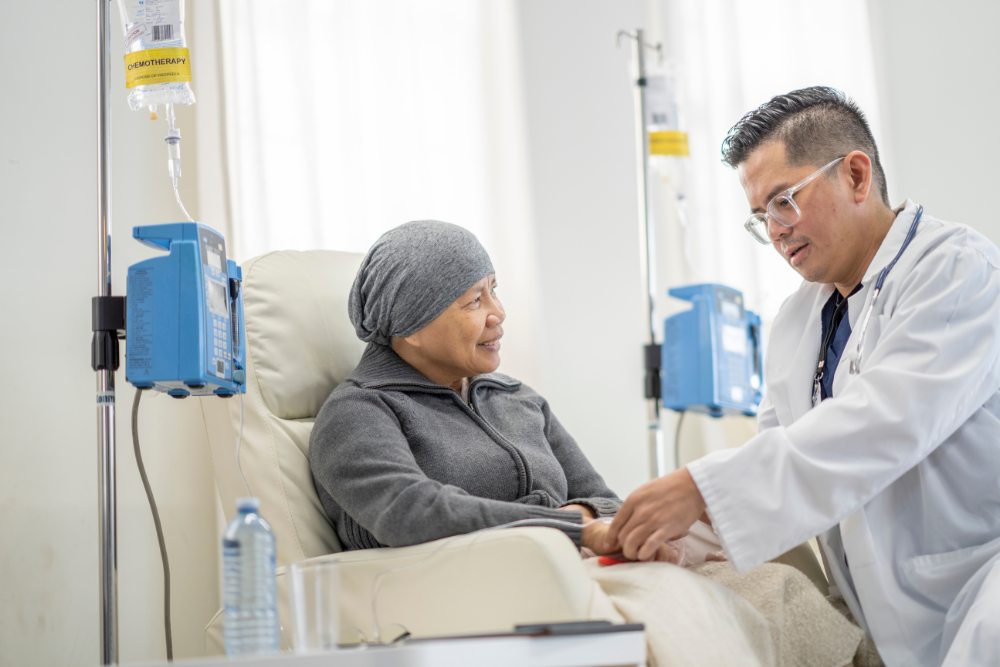
What Treatments Can Be Used Instead of Chemotherapy?
Cancer treatment has changed considerably over the years. Doctors now have several treatment approaches, and advances in targeted treatments and immunotherapy have expanded the options available for some cancers.
Here are some of the major alternatives or complementary approaches.
1. Surgery: Surgery involves physically removing the cancer from the body. It is particularly useful for many solid tumours that are confined to one location. For example, depending on the cancer, surgery may be used to remove:
- A tumour and a margin of surrounding tissue
- Nearby lymph nodes that may contain cancer cells
- Part or all of an affected organ
- A tumour causing pressure or other symptoms
- Cancer that has returned in a specific area
Surgery may be the primary treatment for some early-stage cancers. However, surgery alone is not appropriate for every cancer. Blood cancers such as many types of leukaemia, for example, are not generally treated by removing a solid tumour.
The need for additional treatment after surgery also depends on the pathology and stage. In some cases, surgery is followed by radiation, chemotherapy, targeted therapy or another treatment to reduce the risk of the cancer returning.
2. Radiation Therapy: Radiation therapy uses high-energy radiation to damage cancer cells. It can be used to treat cancer, reduce the size of a tumour or relieve symptoms such as pain caused by cancer. Radiation may be recommended:
- As the main treatment for certain cancers
- Before surgery to shrink a tumour
- After surgery to reduce the risk of local recurrence
- Alongside other treatments
- To control symptoms in advanced cancer
For some cancers, radiation may be enough to control the disease without chemotherapy. For others, combining radiation with chemotherapy or another treatment may provide better results.
3. Immunotherapy: Immunotherapy works by helping the immune system recognise and fight cancer. Cancer cells can sometimes avoid being detected or suppress immune responses, and immunotherapy is designed to help overcome some of these mechanisms.
- Immunotherapy may include treatments such as immune checkpoint inhibitors and certain forms of cell-based therapy.
- However, immunotherapy is not suitable for every cancer. The response can depend on the type of cancer and specific biomarkers.
- This is why testing is often an important part of determining whether immunotherapy is appropriate.
4. Targeted Therapy: Targeted therapy focuses on specific proteins or molecular changes that help cancer cells grow, divide or spread. This approach is one of the foundations of precision cancer medicine. Before targeted therapy is recommended, doctors may need to perform biomarker testing to determine whether the tumour has a target that can be treated with an available medicine.
Targeted therapy may be used:
- Before surgery
- After surgery
- With radiation
- Alongside immunotherapy
- For cancer that has spread
- When cancer returns or stops responding to another treatment
Importantly, targeted therapy is not automatically a replacement for chemotherapy. For some cancers it may be used alone, while in others it works best in combination with other treatments.
5. Hormone Therapy: Some cancers depend on hormones such as oestrogen, progesterone or testosterone to grow. Hormone therapy can block the effect of these hormones or reduce their production.
It is commonly considered in selected hormone-sensitive cancers, particularly certain breast and prostate cancers.
6. Active Surveillance in Selected Cases: Not every cancer requires immediate aggressive treatment. Certain cancers that are slow-growing and low-risk may sometimes be monitored closely rather than treated immediately.
This does not mean ignoring cancer.
Active surveillance generally involves regular medical reviews, blood tests, scans, biopsies or other tests to check whether the cancer is changing. If there are signs that the cancer is progressing, active treatment can then be considered.
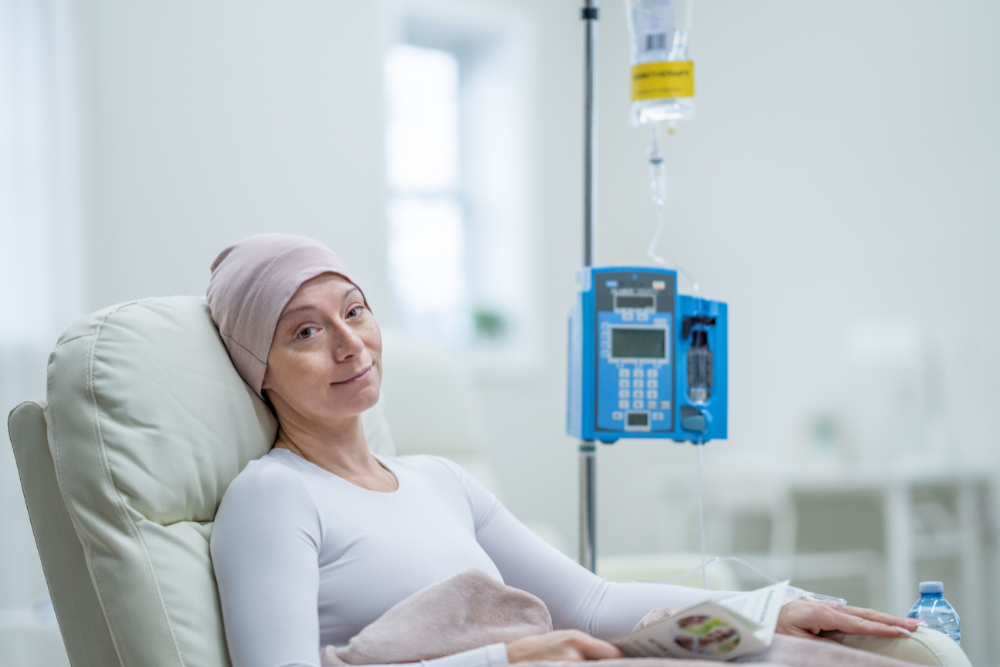
Which Cancers May Be Treated Without Chemotherapy?
There is no universal list of cancers that can always be treated without chemotherapy. Treatment depends on the individual cancer and its characteristics.
Still, there are situations across different cancer types where chemotherapy may not be necessary.
- Early-stage cancers: Some early cancers are treated successfully with local treatments such as surgery or radiation. If the cancer is small, localised and has favourable features, chemotherapy may not provide enough additional benefit to justify its use.
- Certain hormone-sensitive cancers: Some hormone-sensitive cancers may be managed using hormone therapy, surgery, radiation or a combination of these approaches. The exact plan depends on factors such as tumour characteristics and stage.
- Cancers with actionable biomarkers: If testing identifies a specific molecular target, targeted therapy may be considered. Biomarker testing can help doctors determine whether a particular targeted treatment could be useful.
- Some cancers that respond well to immunotherapy: Immunotherapy has become an important treatment for several types of cancer. However, its usefulness depends on factors such as the cancer type, stage and biomarkers. Not every patient responds to immunotherapy, so it should not be considered a universal substitute for chemotherapy.
- Some localised tumours are treated primarily with radiation: Radiation therapy can sometimes be the main treatment for cancer. In certain cases, it may provide local control without chemotherapy.
The important takeaway is this: can cancer be treated without chemotherapy is a question that has to be answered cancer by cancer, and often patient by patient.
What Determines Whether You Need Chemotherapy?
Instead of asking only whether chemotherapy can be avoided, it is more useful to understand what your oncologist considers before recommending it.
| Factor | Why It Matters |
| Type of cancer | Different cancers respond differently to chemotherapy and other treatments. |
| Stage of cancer | The stage shows how extensive the cancer is and whether it has spread to other parts of the body. |
| Tumour characteristics | Pathology reports provide important information about the type and behaviour of the cancer cells. |
| Biomarker results | Certain biomarkers can help doctors determine whether targeted therapy or immunotherapy may be suitable. |
| Overall health | Your general health and other medical conditions can influence which treatments are safe and appropriate. |
| Treatment goal | Treatment may aim to cure cancer, reduce the risk of recurrence, control its growth or manage symptoms. |
| Previous treatment | Earlier treatments and how the cancer responded to them can influence the next treatment decision. |
| Patient preferences | Your concerns, priorities and preferences can be considered while choosing an appropriate treatment plan. |
Why Healius Can Be a Strong Choice for Cancer Treatment in Bangalore?
- When looking for the best cancer hospital in Bangalore, it is important to focus on the quality of cancer care, the experience of the medical team, access to appropriate treatment options and how carefully the treatment plan is personalised.
- Healius focuses on providing cancer care with an approach centred around accurate diagnosis, specialist evaluation and treatment planning based on the individual’s cancer rather than following a fixed approach for everyone.
- For patients asking can cancer be treated without chemotherapy, this kind of personalised evaluation is especially important because the answer depends on the cancer type, stage, pathology, biomarkers and overall health.
- A cancer care team can assess whether surgery, radiation therapy, immunotherapy, targeted therapy, hormone therapy, chemotherapy or a combination may be appropriate.
- For people seeking Cancer Treatment in Bangalore, having a team that can guide them through these decisions can make the treatment journey easier to understand and navigate.
- Rather than focusing only on avoiding one particular treatment, the emphasis should be on choosing an evidence-based plan that offers the most appropriate cancer control while considering the patient’s overall wellbeing and treatment goals.
So, Can Cancer Be Treated Without Chemotherapy?
The answer is yes, in some cases, but not for everyone.
Whether chemotherapy can be avoided depends on the details of your cancer. Some patients may be treated effectively with surgery or radiation alone. Others may be candidates for targeted therapy, immunotherapy or hormone therapy. Some may require a combination of treatments, while chemotherapy may remain an important part of their care.
There is no responsible way to determine this based only on the cancer’s name. Your oncology team needs to consider the stage, pathology, tumour characteristics, biomarkers, overall health and treatment goals.
If you are searching for Cancer Treatment in Bangalore, start by getting a clear diagnosis and discussing the full range of evidence-based options with a qualified oncology team. If chemotherapy is recommended, ask why it is needed and what benefit it is expected to provide. If you are concerned about side effects, ask how they can be managed and whether there are clinically appropriate alternatives.
Most importantly, do not replace proven cancer treatment with unverified remedies simply because they promise a way to avoid chemotherapy. Complementary approaches such as relaxation techniques, gentle physical activity when medically appropriate and nutritional support may help with wellbeing, but they should not be used as substitutes for cancer treatment.
Cancer treatment is not about choosing the treatment that sounds easiest. It is about choosing the treatment that is medically appropriate for your specific situation. The fact that chemotherapy is not always necessary is encouraging, but it does not mean that every patient can or should avoid it.
At Healius, patients seeking cancer care can discuss their diagnosis and treatment options with a specialist team and understand how different therapies may fit into their individual care plan. If you are exploring Cancer Treatment in Bangalore, the right first step is a detailed medical evaluation rather than making a treatment decision based on a single therapy.
