
Does the Stage of Cancer Affect Treatment?
A cancer diagnosis can leave you with a long list of questions, but one of the first things many patients want to know is simple: What happens next? Once doctors tell you the type of cancer and its stage, it is natural to wonder whether the stage will change the treatment you receive. You may hear terms such as Stage I, Stage II, Stage III or Stage IV and immediately assume that a higher stage means fewer treatment options. However, cancer treatment is not quite that straightforward.
So, does the stage of cancer affect treatment? Yes, it often does, but it is only one part of the decision. Cancer treatment depends on several factors, including where the cancer started, how large the tumour is, whether it has spread to nearby lymph nodes or distant organs, the specific characteristics of the cancer cells, the patient’s overall health and how the cancer is expected to respond to different treatments.
For someone looking for Cancer Treatment in Bangalore, understanding this distinction can make discussions with an oncologist much easier. Your treatment plan is not selected simply because a report says “Stage II” or “Stage IV.” Doctors look at the complete picture before recommending surgery, radiation therapy, chemotherapy, immunotherapy, targeted therapy, hormone therapy or a combination of treatments.
This is why understanding your individual diagnosis matters more than comparing your treatment with someone else’s. If you or a loved one has recently been diagnosed with cancer, the stage is an important piece of information, but it is not the whole story.

What Does Cancer Staging Actually Mean?
Before discussing treatment, it helps to understand what doctors mean when they talk about cancer stage. Staging is essentially a way of describing how much cancer is present and where it is located in the body. Doctors use examinations, scans, biopsies, laboratory tests and other investigations to determine the extent of the disease.
For many solid tumours, doctors use the TNM system:
1. T describes the primary tumour: The “T” refers to the primary tumour, including its size and how far it has grown into nearby tissues. A small tumour that remains confined to where it started may have a different treatment approach from a larger tumour that has invaded surrounding structures.
2. N describes nearby lymph nodes: The “N” indicates whether cancer has spread to nearby lymph nodes. Lymph node involvement can be important when determining whether additional treatment is required after surgery or whether treatment needs to cover a wider area.
3. M describes distant spread: The “M” indicates whether the cancer has spread to distant parts of the body. When cancer has travelled from its original location to another organ, it is called metastasis. Distant spread can significantly influence the treatment strategy.
4. The overall stage brings these findings together: For many cancers, doctors group TNM findings into stages ranging from 0 to IV. Generally, lower stages indicate cancer that is less extensive, while Stage IV usually means that the cancer has spread to distant parts of the body. However, staging systems can differ depending on the type of cancer.
5. Not every cancer uses the same staging system: Blood cancers such as many types of leukemia are not generally staged in the same way as solid tumours. Other cancers, including certain brain and spinal cord tumours, may also use different systems.
So, when your doctor tells you the stage, it should always be interpreted in the context of your particular cancer rather than as a standalone number.
Does the Stage of Cancer Affect Treatment? Here Is How It Can Change the Approach
The short answer is yes. However, the effect of staging becomes clearer when you look at what doctors are trying to achieve at different points in the disease.
Early-stage cancer
When cancer is found early and remains confined to its original location, treatment may focus on removing or destroying the cancer completely. Depending on the cancer type, this could involve surgery, radiation therapy, local procedures or a combination of treatments.
For example, surgery may be recommended when a tumour can be safely removed. Radiation may be used to destroy remaining cancer cells or as an alternative to surgery for certain cancers. Some patients may also need drug treatment before or after local treatment.
Locally advanced cancer
As cancer grows into nearby tissues or spreads to regional lymph nodes, treatment may become more extensive. A patient may need a combination of surgery, radiation and systemic treatment.
In some cases, doctors may recommend treatment before surgery to shrink the tumour or control cancer cells elsewhere in the body. This is known as neoadjuvant treatment.
Advanced or metastatic cancer
When cancer has spread to distant parts of the body, treatment often focuses on controlling the disease throughout the body. Chemotherapy, targeted therapy, immunotherapy, hormone therapy or combinations of these may be considered depending on the cancer type and its biological characteristics.
This does not automatically mean that treatment is no longer possible. Advanced cancers can often be managed with treatment, sometimes for significant periods, depending on the cancer and how it responds.
Treatment may also change during the journey
Cancer treatment is not always a single decision made at the beginning. Doctors may monitor scans, symptoms, blood tests and other indicators to understand whether the cancer is responding. If the response is not what was expected, the treatment plan may be changed.
This is one reason why asking does the stage of cancer affect treatment is useful, but not enough on its own. Your oncologist also needs to know what the cancer is doing, what treatments are appropriate for its biology and how your body is tolerating treatment.

Stage vs Other Factors: What Else Does Your Oncologist Look At?
Think of cancer staging as one important piece of a much larger puzzle. The stage can guide treatment, but it rarely makes the decision by itself.
Here are some of the other factors your oncologist may consider:
1. Type of cancer: Breast cancer, lung cancer, oral cancer, stomach cancer, lymphoma and other cancers behave differently. Even when two cancers have the same stage, their treatments may be completely different.
2. Tumour characteristics: Doctors may examine the cancer cells for specific biological features. Certain biomarkers or genetic changes can indicate whether targeted medicines, hormone therapy or immunotherapy may be useful. Biomarker testing can help doctors select treatments for some cancers.
3. Overall health: Your age, existing medical conditions, physical fitness, nutritional status and general ability to tolerate treatment can influence the treatment plan.
4. Location of the tumour: Where the tumour is located can affect whether surgery is possible, what type of surgery is appropriate and whether radiation can be safely delivered.
5. Treatment goals: Treatment may be aimed at curing the cancer, reducing the risk of recurrence, controlling the disease, relieving symptoms or improving quality of life. These goals can differ from one patient to another.
6. Previous treatment: If cancer has returned after previous treatment, doctors will consider what treatments have already been used and how the cancer responded to them.
7. Patient preferences: Treatment decisions also involve conversations with the patient. Understanding potential benefits, side effects, practical considerations and personal priorities can help patients and doctors make informed decisions together.
How Treatment Can Differ According to Cancer Stage
| Cancer Situation | What Doctors May Consider | Possible Treatment Approaches |
| Cancer confined to the original site | Tumour size, location, cancer type and whether it can be safely removed | Surgery, radiation therapy, local treatment or a combination |
| Cancer with nearby lymph node involvement | Number and location of affected lymph nodes, tumour characteristics and cancer type | Surgery, chemotherapy, radiation therapy, targeted therapy or a combination |
| Locally advanced cancer | How far the cancer has grown into nearby tissues or structures | Chemotherapy, radiation therapy, surgery or a combination of treatments |
| Cancer that has spread to distant organs | Areas affected, cancer type, biomarkers, previous treatment and overall health | Chemotherapy, targeted therapy, immunotherapy, hormone therapy, radiation therapy or combinations |
| Cancer that has returned | Previous treatments, where the cancer has returned, treatment response and current cancer characteristics | Surgery, radiation therapy, chemotherapy, targeted therapy, immunotherapy or other suitable treatments |
| Cancer requiring long-term control | Treatment response, disease progression, symptoms, overall health and quality of life | Ongoing systemic treatment, supportive care, monitoring and symptom management |
Why Early Detection Can Make a Difference
One reason doctors place so much emphasis on early diagnosis is that cancer detected before it has spread extensively may offer more opportunities for local treatment.
When a tumour is small and confined to its original location, removing it surgically or treating the affected area with radiation may be possible in some cancers. Depending on the diagnosis, additional treatment may then be recommended to reduce the risk of the cancer returning.
As the cancer spreads, treatment may need to address cancer cells in more than one location. This is where systemic treatments, which travel through the bloodstream or otherwise act throughout the body, can become particularly important.
However, early detection should not be confused with a guarantee of cure. Some early-stage cancers can behave aggressively, while some advanced cancers can respond very well to treatment. The type and biology of the cancer matter greatly.
For people exploring Cancer Treatment in Bangalore, this is an important point to remember. A diagnosis should not be reduced to a stage number alone. Your oncologist needs to look at the pathology report, imaging results, tumour characteristics and your overall health before deciding what treatment is appropriate.
The American Cancer Society also notes that the stage is important when determining treatment, but it is not the only factor. Cancers with different stages can sometimes receive similar treatments, while cancers at the same stage may require different approaches.
Does Stage IV Cancer Always Mean Treatment Is Not Possible?
This is one of the most worrying questions patients and families ask after hearing the words “Stage IV.”
The answer is no.
Stage IV generally means the cancer has spread to distant parts of the body. This can make treatment more complex, but it does not automatically mean that there are no treatment options.
Depending on the cancer type and its characteristics, doctors may use systemic treatments to control cancer, slow its growth, reduce symptoms and, in some situations, achieve prolonged disease control.
Treatment options can include:
- Chemotherapy: Medicines that kill cancer cells or stop their growth. It may be used alone or alongside other treatments.
- Targeted therapy: Medicines designed to act on specific changes or proteins that help cancer cells grow.
- Immunotherapy: Treatment that helps the immune system recognise and fight cancer cells.
- Hormone therapy: Used for certain cancers that depend on hormones to grow.
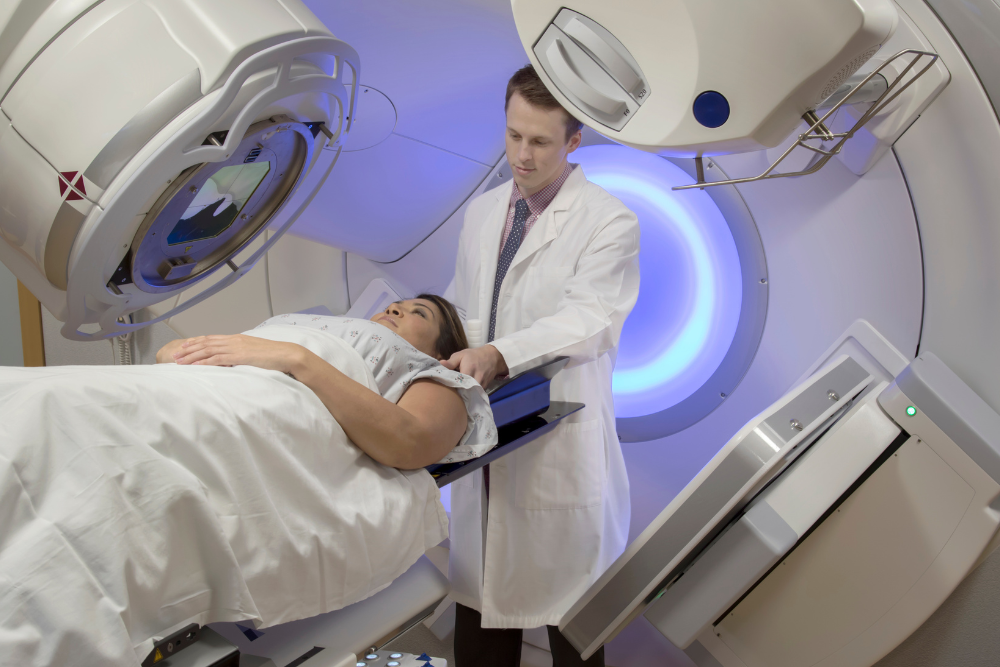
- Radiation therapy: May be used to control a particular tumour or relieve symptoms caused by cancer in a specific area.
- Surgery: In selected situations, surgery may still have a role, depending on where the cancer has spread and the treatment goal.
The appropriate treatment depends heavily on the type of cancer, the sites of spread, biomarkers, previous treatments and the patient’s overall condition.
What Happens Before Your Cancer Treatment Plan Is Finalised?
A treatment plan usually starts with a detailed evaluation rather than an immediate decision to begin therapy.
- Step 1: Confirming the diagnosis: Your doctor first needs to understand exactly what type of cancer is present. A biopsy and pathology examination are often important parts of this process.
- Step 2: Determining the extent of disease: Imaging and other investigations may be used to understand the tumour’s size, nearby lymph node involvement and possible spread to other parts of the body.
- Step 3: Reviewing tumour characteristics: Depending on the cancer, doctors may recommend additional tests to identify biomarkers or other features that could influence treatment selection.
- Step 4: Assessing your general health: Your overall health, organ function, nutritional status and ability to tolerate particular treatments are considered before therapy begins.
- Step 5: Discussing treatment options: Your oncologist may explain different options, including the expected benefits, possible side effects and the purpose of each treatment.
- Step 6: Building an individual treatment plan: The final plan brings all these details together. Some patients may require one treatment, while others may need a sequence or combination of therapies.

Why Healius Can Be a Strong Choice for Cancer Treatment in Bangalore
For patients looking for Cancer Treatment in Bangalore, choosing the right oncology team is about more than finding a clinic that offers cancer medicines. Healius Cancer & Hematology Clinics focuses on comprehensive, personalised cancer care, with medical oncology, radiation oncology, surgical oncology, hematology and supportive care available as part of its broader oncology services. Its approach involves experienced specialists working together to develop treatment plans based on the patient’s diagnosis, disease stage, treatment response and overall health.
Healius also highlights personalised treatment planning, multidisciplinary cancer care and modern diagnostic and treatment capabilities as key parts of its approach. For a patient and family, this can make the treatment journey easier to navigate because important decisions can be discussed within a coordinated oncology care framework rather than being treated as isolated steps. T
he team, led by experienced oncology specialists including Dr. Mangesh Kamath, provides care across solid tumours, blood cancers and complex hematological conditions, with treatment options including chemotherapy, immunotherapy, targeted therapy and supportive oncology care. While no hospital can promise a particular outcome for every patient, choosing a centre with experienced specialists, personalised treatment planning and coordinated cancer care can help patients make informed decisions about their treatment journey.
Stage Matters, But It Does Not Tell the Whole Story
So, does the stage of cancer affect treatment? In many cases, absolutely. Stage helps doctors understand how extensive the cancer is and plays an important role in deciding whether treatment should focus mainly on the original tumour, nearby disease, cancer throughout the body or a combination of these.
But stage is not a treatment prescription.
A Stage I cancer does not automatically mean surgery is the only option. A Stage III cancer does not mean treatment is hopeless. A Stage IV diagnosis does not automatically mean treatment stops. The actual plan depends on the cancer type, tumour characteristics, spread, biomarkers, previous treatments, overall health and the goals of care.
It is also important to remember that cancer staging is based on information available at a particular point in the diagnosis. Additional information from surgery, pathology, imaging or treatment response can provide doctors with a clearer understanding of the disease.
If you are searching for Cancer Treatment in Bangalore after receiving a diagnosis, try not to make decisions based only on the stage written on your report. Instead, discuss what that stage means specifically for your cancer and ask how it affects your available treatment options.
At Healius Cancer & Hematology Clinics, the focus is on developing cancer care around the individual patient, including the cancer type and stage, treatment response, overall health and long-term goals.
A cancer stage tells you where you are starting from. Your treatment plan is the roadmap created from everything your medical team knows about your cancer and your health. Understanding that difference can help you approach the next step with better information, clearer questions and greater confidence.
