
What Foods Should You Eat During Cancer Treatment?
Cancer treatment can change your relationship with food in ways you may not expect. A meal you enjoyed last week might suddenly taste different. Some days, you may feel hungry but struggle to finish what is on your plate. On other days, nausea, mouth soreness, constipation, diarrhoea, fatigue, or changes in smell can make eating feel like another task on an already busy day. This is why nutrition during cancer treatment is not simply about following a list of “healthy foods”. It is about giving your body the nourishment it needs while adapting to how you feel throughout treatment.
For patients undergoing cancer treatment in Bangalore, having access to nutritional guidance as part of overall cancer care can make everyday eating decisions easier. Instead of forcing yourself to follow a restrictive diet, the focus should generally be on maintaining adequate nutrition, staying hydrated, protecting muscle mass, and choosing foods that you can comfortably eat.
In this guide, we will look at the foods that can support your body during treatment, how protein and carbohydrates fit into your meals, what to eat when side effects make regular meals difficult, and which foods may need extra caution. The goal is not to create a “perfect cancer diet”. It is to help you make practical food choices that work alongside your treatment and your doctor’s recommendations.
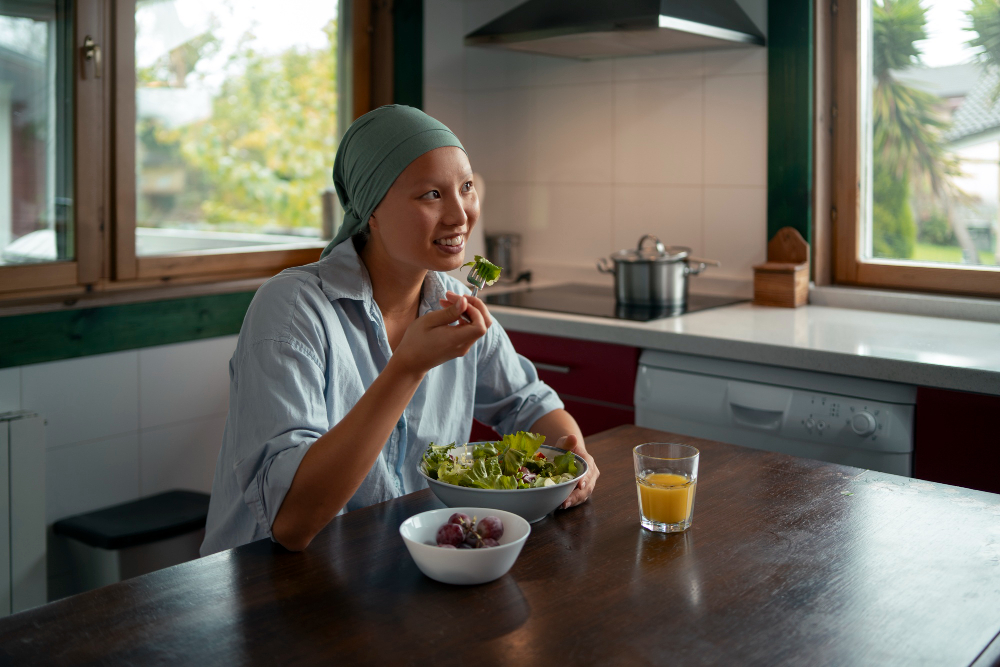
Types of Foods to Include During Cancer Treatment
Instead of building your meals around complicated rules, start with foods that provide the major nutrients your body needs.
1. Protein-Rich Foods
- Protein should have a regular place in your diet during cancer treatment.
- It helps maintain muscles and supports tissue repair, making it particularly important if you have lost weight, undergone surgery, or are eating smaller quantities than usual.
- Vegetarian protein sources include dal, chickpeas, rajma, tofu, soy, paneer, curd, milk, nuts, and seeds. Non-vegetarian options include eggs, chicken, and fish.
- When eating full meals becomes difficult, smaller protein-rich foods can help. A bowl of curd, an egg, a glass of milk, paneer, or a dal-based dish may be easier than a large meal.
2. Fruits
- Fruits provide vitamins, minerals, fibre, carbohydrates, and fluids.
- Bananas, apples, pears, papaya, oranges, melons, and other seasonal fruits can be included according to your tolerance.
- If you have mouth sores or oral sensitivity, acidic fruits such as oranges may sting.
- Softer options such as banana or stewed apple may be more comfortable.
- Wash fruits thoroughly before eating them, and follow any specific food-safety advice provided by your oncology team.
3. Cooked Vegetables
- Vegetables are an important source of fibre and micronutrients.
- Spinach, carrots, beans, pumpkin, bottle gourd, beetroot, peas, and other vegetables can be included in regular meals.
- During treatment, cooked vegetables may sometimes be easier to tolerate than raw ones, particularly when digestion is sensitive.
- Soups, vegetable khichdi, dal with vegetables, and lightly cooked sabzis are practical options.
4. Whole Grains and Energy-Giving Foods
- Your body needs energy, and carbohydrates are an important source of it.
- Rice, oats, whole wheat, ragi, millets, potatoes, sweet potatoes, poha, and idli can all contribute to your daily intake.
- There may also be days when refined or softer carbohydrates are easier to eat.
- During periods of nausea or digestive discomfort, the priority may be getting enough food rather than making every meal nutritionally perfect.
5. Healthy Fats
- Fats provide concentrated energy, which can be useful when you cannot eat large portions.
- Nuts, seeds, nut butters, avocado, and cooking oils can help increase the energy content of meals.
- For example, nut butter can be added to toast or smoothies, while ground nuts or seeds can be incorporated into foods when appropriate.
6. Fluids and Hydrating Foods
- Hydration can become especially important when treatment causes vomiting, diarrhoea, fever, reduced appetite, or difficulty eating.
- Water should be your primary source of hydration, but soups, milk, buttermilk, and other suitable fluids can contribute too.
- Your doctor may recommend oral rehydration solutions when fluid and electrolyte losses are significant.
How Can You Build a Balanced Meal During Cancer Treatment?
Knowing what foods should you eat during cancer treatment is useful, but turning that information into everyday meals is what really matters. You do not need elaborate recipes. Familiar foods can often be adjusted to provide more protein and energy.
Breakfast: Start With Something Nourishing
- Breakfast could include idli with sambar, vegetable poha with curd, oats with milk and nuts, eggs with toast, dosa with sambar, or a paneer-based meal.
- If morning nausea makes breakfast difficult, try a smaller portion first and eat more later when you feel better.
Mid-Morning: Add a Small Snack
- Instead of waiting until lunch, include a small snack if your appetite allows.
- Fruit with curd, banana with nut butter, a boiled egg, paneer, nuts, or a milk-based drink can add useful nutrition.
Lunch: Combine Energy and Protein
- A familiar Indian lunch can already provide a balanced combination of nutrients.
- Rice or roti can provide carbohydrates, dal can contribute protein, and cooked vegetables provide fibre and micronutrients.
- Curd, paneer, chicken, fish, egg, or another protein source can be added depending on your diet.
Evening: Make Snacks Count
- When appetite is low, snacks are an opportunity to add nutrition without eating another large meal.
- Try yoghurt, toast with nut butter, boiled eggs, paneer, a suitable smoothie, or a small bowl of poha or upma.
Dinner: Keep It Comfortable
- Dinner does not have to be heavy.
- Khichdi with curd, dal and rice, soup with a protein source, soft roti with cooked vegetables and paneer, or fish with rice may work well.
- The goal is to eat according to your nutritional needs and tolerance, not to force a fixed meal pattern.
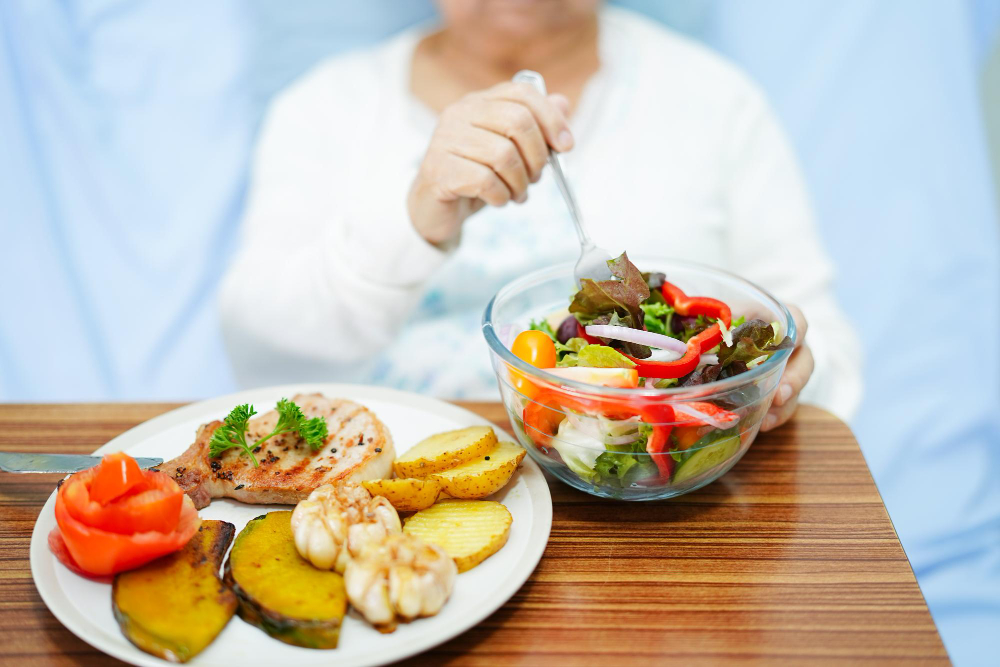
What Should You Eat When Cancer Treatment Causes Side Effects?
Cancer treatment can affect appetite, taste, digestion, and your ability to chew or swallow. This is where your diet may need to become more personalised.
When you feel nauseous: Strong smells, oily foods, and large meals can sometimes make nausea worse. Smaller meals eaten more frequently may be easier to tolerate. Plain foods such as toast, crackers, rice, or other simple foods may feel more comfortable. Sip fluids throughout the day rather than drinking large quantities at once if that worsens nausea.
When you have mouth sores: Choose soft, moist foods that require minimal chewing. Khichdi, porridge, curd, soft rice, mashed vegetables, eggs, soups, and other smooth foods may be easier to eat. Avoid very spicy, acidic, rough, or extremely hot foods if they irritate your mouth.
When food tastes different: Chemotherapy and other treatments can change taste and smell. Try different seasonings, temperatures, and food combinations. Cold or room-temperature foods may have less aroma and can sometimes be easier to tolerate.
When you have diarrhoea: Fluids become particularly important because diarrhoea can cause dehydration. Your healthcare team may recommend temporary changes to fibre intake and foods that are easier on the digestive system. Persistent or severe diarrhoea should be reported to your doctor.
When you are constipated: If your medical team has not advised restricting fibre, fruits, vegetables, whole grains, and adequate fluids may help. Gentle physical activity may also be useful when your doctor says it is safe.
When you have little appetite: Instead of relying on three large meals, try five or six smaller meals or snacks. Make each serving count by including protein and energy-rich foods. A small bowl of curd with nuts, for example, may provide more useful nutrition than tea alone.
Foods to Be Careful With During Cancer Treatment
The question what foods should you eat during cancer treatment also raises another important issue: are there foods you should avoid?
There is no universal list that applies to every cancer patient. However, food safety becomes particularly important for people whose treatment has weakened their immune system.
Raw or Undercooked Animal Foods: Raw or undercooked eggs, meat, fish, and seafood can carry harmful bacteria or other pathogens. Make sure animal foods are cooked thoroughly and stored safely.
Unpasteurised Products: Avoid unpasteurised milk, dairy products, and juices because they may contain harmful microorganisms. Check labels when buying packaged products.
Poorly Washed Fruits and Vegetables: Wash fresh produce thoroughly under clean running water. Avoid fruits and vegetables that are spoiled, damaged, or appear unhygienically handled.
Highly Processed Foods: Chips, sugary drinks, sweets, and highly processed foods can occasionally fit into a diet, but they should not consistently replace foods that provide protein, vitamins, minerals, and other useful nutrients.
Supplements Without Medical Advice: Do not assume that high-dose vitamins, herbal products, powders, or supplements are automatically safe because they are labelled “natural”. Some supplements can interact with cancer medicines or affect treatment. Discuss them with your oncologist before taking them.
Practical Ways to Eat Better When Your Appetite Is Low
Some treatment days will simply be harder than others. When a full plate feels overwhelming, changing how you eat can be more helpful than forcing yourself to finish large meals.
- Eat smaller meals more frequently: Five or six small meals may feel more manageable than three large meals. Try to eat when your appetite is strongest rather than waiting for conventional mealtimes.
- Add protein to smaller portions: Add paneer to a sandwich, curd to a meal, milk to oats, dal to rice, or eggs to breakfast. This helps improve the nutritional value of the food you are already able to eat.
- Keep easy snacks nearby: Nuts, yoghurt, fruit, boiled eggs, crackers with a protein-rich spread, or other suitable snacks can make eating easier when you do not have the energy to prepare a full meal.
- Use liquids when solid food is difficult: Soups, smoothies, milk-based drinks, and other nourishing fluids may help when chewing or eating a complete meal feels tiring. Choose options based on your doctor’s or dietitian’s recommendations.
- Eat during your better hours: If you notice that you feel hungrier in the morning or several hours after treatment, use that window for your most substantial meal.
- Reduce strong cooking smells: If smells trigger nausea, ask someone else to prepare food when possible or choose foods that require minimal cooking. Cooler foods may also produce less aroma.
- Track persistent changes: If you are consistently eating much less, losing weight, vomiting frequently, or struggling to swallow, tell your oncology team rather than trying to manage the problem through diet alone.
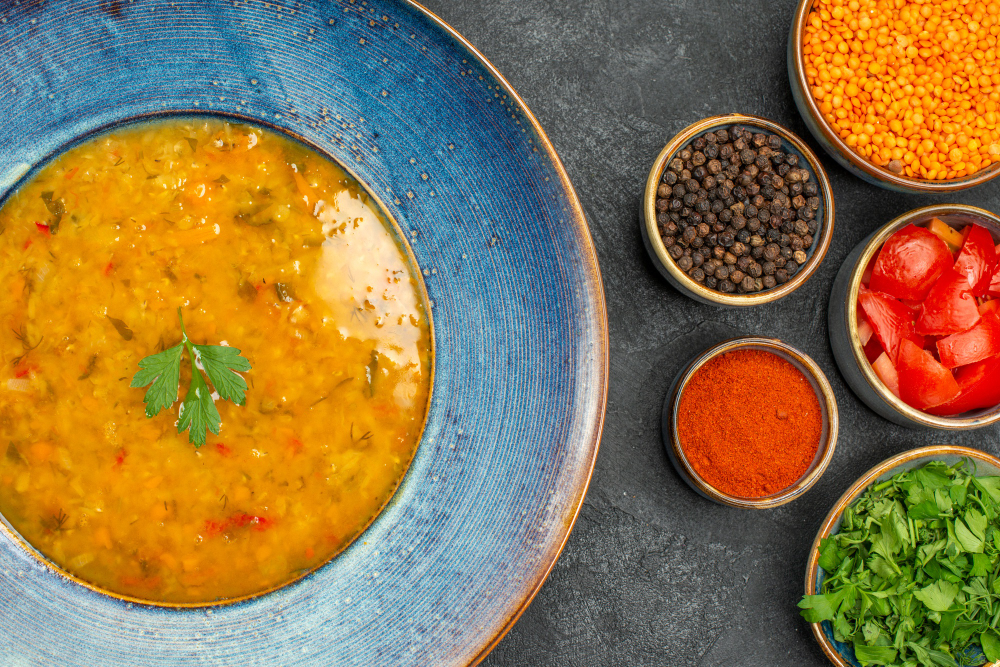
A Sample Indian Meal Plan During Cancer Treatment
A meal plan during cancer care should be flexible. The example below shows how familiar Indian foods can be distributed throughout the day, but it is not a prescription for every patient.
| Time | Meal Ideas | Nutritional Focus |
| Early morning | Water followed by a light snack if needed | Hydration and gentle start |
| Breakfast | Idli with sambar, oats with milk, vegetable poha with curd, or eggs with toast | Energy and protein |
| Mid-morning | Banana, papaya, yoghurt, nuts, or another tolerated fruit | Calories, vitamins, minerals |
| Lunch | Rice or roti, dal, cooked vegetables, curd, paneer, egg, fish, or chicken | Balanced protein and energy |
| Evening snack | Yoghurt, egg, paneer sandwich, nuts, or a suitable smoothie | Protein and additional calories |
| Dinner | Khichdi with curd, dal rice, roti with vegetables and paneer, or fish with rice | Comfortable balanced meal |
| Before bed | Milk or another suitable small snack if hungry | Additional protein and calories |
Your oncologist or oncology dietitian may modify portions, food choices, fibre intake, protein intake, or fluids according to your condition and treatment.
5 Nutrition Mistakes to Avoid During Cancer Treatment
Good nutrition is not about following every health trend you come across online. Some common habits can actually make eating more complicated.
1. Following Extremely Restrictive Diets: Removing entire food groups without a medical reason can make it harder to meet your calorie and nutrient needs, especially when your appetite is already reduced.
2. Believing a Single Food Can Cure Cancer: No fruit, vegetable, spice, juice, or “superfood” has been proven to replace established cancer treatments. Food supports your nutritional health during treatment, but it is not a substitute for oncology care.
3. Taking Supplements Without Asking Your Doctor: High doses of certain vitamins, antioxidants, herbal products, or other supplements may interact with medicines or treatment. Always discuss supplements with your medical team.
4. Ignoring Unintentional Weight Loss: Losing a significant amount of weight without trying should not be treated as an unavoidable part of cancer care. Inform your healthcare team so they can assess the cause and recommend nutritional support if required.
5. Forcing Foods That Make You Feel Worse: Your diet may need to change from one treatment cycle to another. If a particular food suddenly triggers nausea, discomfort, or taste problems, look for another food that provides similar nutrients rather than repeatedly forcing yourself to eat it.
Why Choose Healius for Cancer Treatment in Bangalore?
Choosing a cancer hospital is about much more than finding a place where treatment is available. Patients need care that considers diagnosis, treatment planning, ongoing monitoring, side-effect management, and overall well-being throughout their cancer journey.
Healius focuses on providing comprehensive cancer care where treatment decisions are guided by the individual patient’s diagnosis and medical needs. For people searching for the best cancer hospital in Bangalore, Healius offers access to oncology care across different stages of treatment, with an emphasis on personalised treatment planning and patient support. Depending on the type and stage of cancer, care may involve chemotherapy, surgery, radiation therapy, targeted therapy, immunotherapy, or a combination of treatments.
Nutrition and supportive care also form an important part of managing the challenges that may arise during treatment. By bringing different aspects of cancer care together, Healius aims to make the treatment journey more coordinated and easier for patients and their families to navigate.
For patients considering cancer treatment in Bangalore, it is important to choose a healthcare team you can communicate with openly, especially about concerns such as appetite loss, weight changes, digestive symptoms, swallowing problems, and treatment side effects.
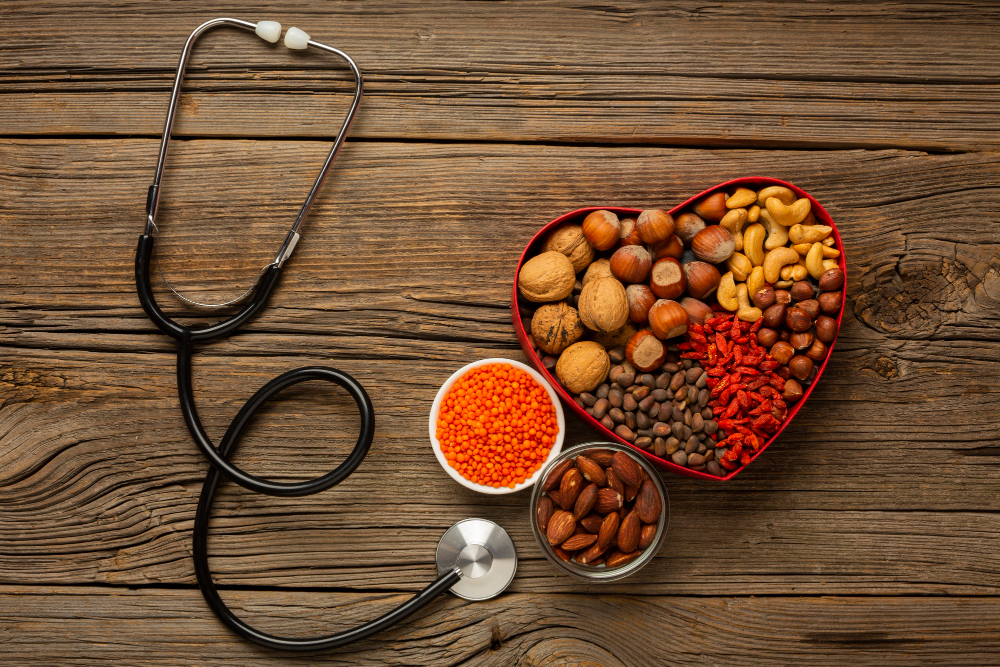
Making Food Work for You During Cancer Treatment
When people ask what foods should you eat during cancer treatment, they are often hoping for a simple list of foods that will make treatment easier or recovery faster. In reality, nutrition during cancer care is more personal than that. The foods that work for you today may not be the foods you prefer after your next treatment cycle, and that is completely normal.
A good cancer diet is not about eating perfectly every day. It is about helping your body receive adequate energy, protein, fluids, vitamins, minerals, and other nutrients while responding to changes in appetite and digestion. Protein-rich foods such as eggs, dal, paneer, curd, fish, chicken, beans, and tofu can support muscle maintenance and tissue repair. Fruits, vegetables, grains, and healthy fats add important nutrients and energy. Meanwhile, hydration deserves just as much attention, especially when vomiting, diarrhoea, fever, or reduced food intake increases the risk of dehydration.
Most importantly, do not turn eating into another source of pressure. On difficult treatment days, a small meal you can comfortably finish may be more useful than a nutritionally perfect plate you cannot eat. Listen to your body, adjust meal sizes and textures when needed, and discuss persistent problems with your healthcare team.
For anyone exploring cancer treatment in Bangalore, nutrition should be considered alongside medical treatment and supportive care rather than as a separate concern. At Healius, the goal is to support patients through different aspects of their cancer journey with care tailored to their individual needs.
So, what foods should you eat during cancer treatment? Choose foods that nourish you, foods that your body can tolerate, and foods that help you maintain your strength throughout treatment. There is no magic ingredient or universal menu. What matters is a practical, balanced approach that works for your diagnosis, your treatment, and how you feel each day.
