
Which Cancer Treatment Is Most Effective?
Hearing the word “cancer” can immediately bring up dozens of questions. What happens next? Can it be cured? Will surgery be needed? Is chemotherapy the best option? Would immunotherapy work better? And among all these choices, which cancer treatment is most effective?
It is a reasonable question, but cancer treatment does not come with one answer that works for everyone. Cancer is not a single disease. There are more than 100 types of cancer, and even two people diagnosed with the same type may need different treatments. The location of the cancer, its stage, how quickly it is growing, whether it has spread, its genetic characteristics, and the person’s overall health can all influence the treatment plan.
This is why choosing the right Cancer Treatment in Bangalore begins with an accurate diagnosis and a clear understanding of the cancer rather than immediately choosing a treatment.
Modern cancer care is also increasingly multidisciplinary. Medical oncologists, surgical oncologists, radiation oncologists, pathologists, radiologists, and other specialists may work together to decide which approach gives a patient the best possible outcome.
So, instead of simply asking which cancer treatment is most effective, the better question may be: which treatment is most effective for this particular cancer, at this particular stage, for this particular patient?
Understanding the available options can make that question much easier to answer.
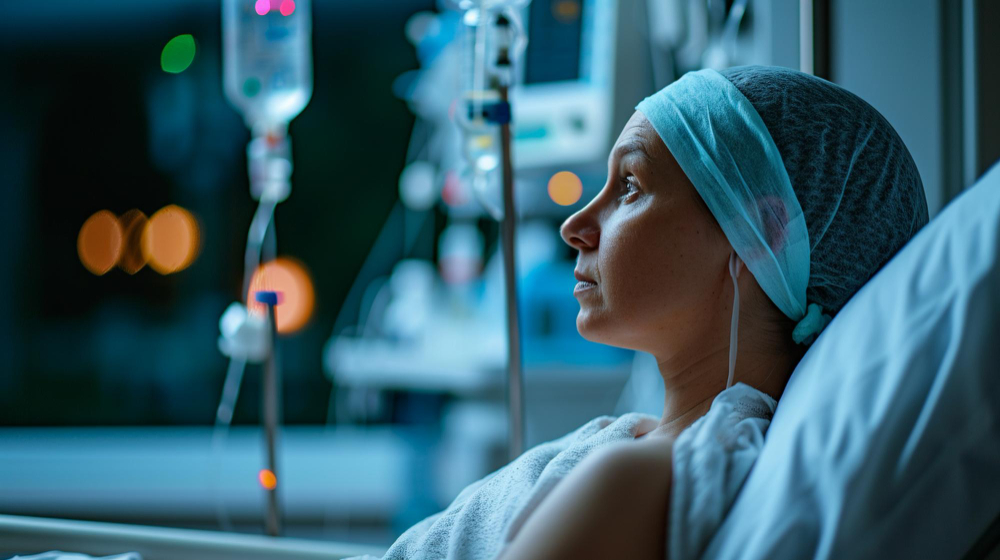
Is There One Cancer Treatment That Works Best for Everyone?
No single cancer treatment can be called the most effective for every patient. The effectiveness of treatment depends on several factors, and doctors usually consider all of them before recommending a treatment plan.
1. Type of Cancer
The first factor is the type of cancer being treated. Breast cancer, lung cancer, blood cancer, prostate cancer, colorectal cancer, and brain cancer behave differently and respond differently to treatment.
Some cancers are primarily treated with surgery when detected early. Certain blood cancers may rely heavily on chemotherapy, targeted medicines, immunotherapy, or stem cell transplantation because there may not be a single solid tumour that can simply be removed.
This is why identifying the exact cancer type is essential before treatment begins.
2. Stage of Cancer
The stage indicates how much the cancer has grown and whether it has spread.
Early-stage cancer that remains limited to one area may sometimes be treated effectively with surgery or radiation therapy. If cancer has spread to distant organs, systemic treatments such as chemotherapy, immunotherapy, targeted therapy, or hormone therapy may become more important.
Stage can therefore completely change the treatment strategy.
3. Location and Size of the Tumour
Doctors also consider where the tumour is located, how large it is, and whether it is affecting nearby organs or tissues.
A small tumour in an accessible location may be suitable for surgery. A tumour located close to sensitive structures may require radiation, systemic treatment, or a combination of approaches before surgery is considered.
4. Molecular and Genetic Features
Modern cancer treatment increasingly looks beyond where the cancer started.
Certain cancer cells have specific mutations, proteins, receptors, or other biomarkers that can influence treatment. Molecular and biomarker testing can sometimes help doctors identify targeted therapies or immunotherapies that may be suitable.
This allows treatment to become more personalised.
5. Patient’s Overall Health
Cancer treatment needs to consider the patient as a whole, not just the tumour.
Age, existing medical conditions, organ function, nutritional status, previous treatments, and overall fitness can affect which treatments are appropriate. Doctors may adjust the treatment, dose, schedule, or combination based on these factors.
Therefore, when someone asks which cancer treatment is most effective, the answer depends on the complete clinical picture rather than the name of one therapy.
What Are the Major Cancer Treatments and When Are They Used?
Cancer treatment has advanced considerably, giving oncologists several ways to attack cancer cells. Here is a simple comparison of the major options.
| Cancer Treatment | How It Works | When It May Be Used |
| Surgery | Removes the tumour and, when required, nearby affected tissues or lymph nodes. | Commonly used for localised solid tumours that can be safely removed. |
| Chemotherapy | Uses medicines to destroy cancer cells or stop them from growing and dividing. | May be used before or after surgery, or as the main treatment for certain cancers. |
| Radiation Therapy | Uses high-energy radiation to damage and destroy cancer cells in a specific area. | Used for many localised cancers, before or after surgery, or to help control symptoms. |
| Immunotherapy | Helps the immune system recognise and attack cancer cells more effectively. | Used for selected cancers depending on the cancer type, stage, biomarkers, and other factors. |
| Targeted Therapy | Targets specific proteins, genes, or pathways that cancer cells use to grow and survive. | Used when molecular or biomarker testing identifies a suitable target. |
| Hormone Therapy | Blocks or reduces hormones that certain cancers depend on for growth. | Commonly used for hormone-sensitive cancers, particularly breast and prostate cancers. |
| Stem Cell Transplant | Restores healthy blood-forming stem cells after intensive treatment. | Mainly used for certain blood cancers, such as some types of leukemia, lymphoma, and multiple myeloma. |
The important point is that these treatments do not always compete with one another. A patient may receive more than one type during their cancer journey.
For instance, a patient may undergo chemotherapy to shrink a tumour, followed by surgery to remove it, and then radiation therapy to reduce the risk of cancer returning in the treated area. Another patient may receive surgery followed by hormone therapy or targeted therapy.
The treatment sequence depends entirely on the cancer and the goals of care.
Which Cancer Treatment Is Most Effective Based on the Stage?
Cancer stage is one of the biggest factors affecting treatment decisions. While exact treatment varies by cancer type, the general approach can be understood across four broad stages.
Stage I: Focus on Treating the Localised Cancer
At Stage I, cancer is generally relatively small and has not spread extensively.
For many solid cancers, surgery may be one of the main treatment options because doctors may be able to remove the tumour completely. Radiation therapy may be used instead of surgery for certain cancers or combined with surgery when appropriate.
Additional treatment may sometimes be recommended depending on the risk of recurrence and the biology of the cancer.
Stage II: Local Treatment May Be Combined With Additional Therapy
Stage II cancer is generally larger or may involve nearby tissues, depending on the cancer type.
Treatment may involve surgery along with chemotherapy or radiation therapy. In some cases, chemotherapy or radiation may be given before surgery to shrink the tumour. This is called neoadjuvant treatment.
Treatment given after surgery to destroy remaining microscopic cancer cells and lower the risk of recurrence is known as adjuvant treatment.
Stage III: Combination Treatment Often Becomes Important
Stage III cancers are generally more locally advanced and may have spread to nearby lymph nodes or tissues.
Treatment frequently involves multiple approaches. A patient might receive chemotherapy and radiation followed by surgery, or surgery followed by systemic treatment, depending on the cancer.
Targeted therapy or immunotherapy may also be considered when clinically appropriate.
Stage IV: Systemic Treatment Usually Plays a Larger Role
Stage IV generally means cancer has spread from its original location to distant parts of the body.
Because cancer cells may be present in multiple locations, systemic therapies become particularly important. These may include chemotherapy, targeted therapy, immunotherapy, hormone therapy, or combinations of treatments.
Surgery and radiation can still have important roles in selected situations, such as controlling specific tumours, preventing complications, or relieving symptoms.
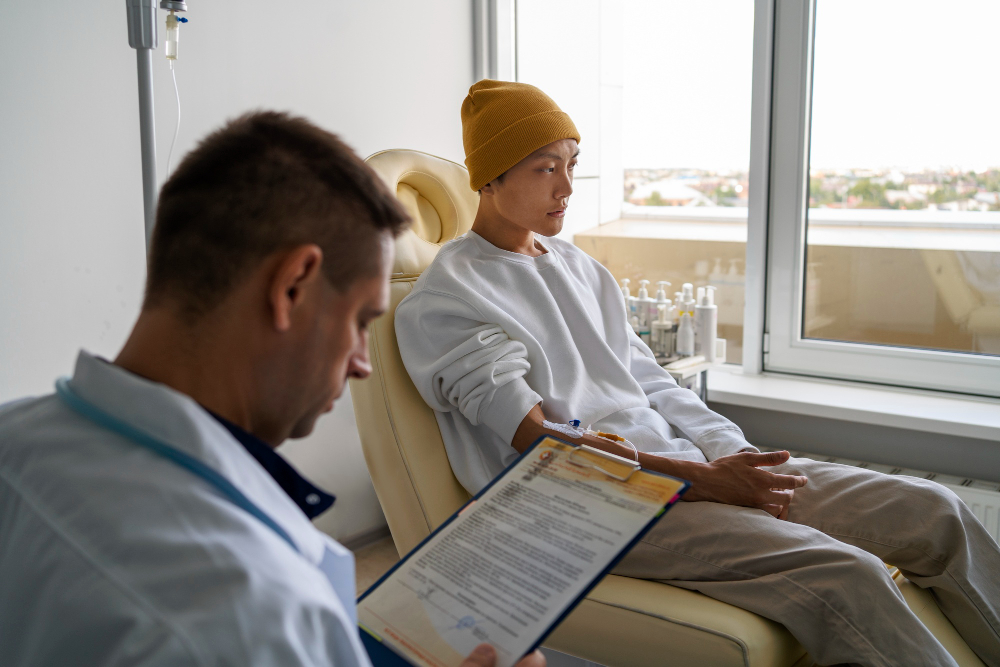
Treatment Goals Matter at Every Stage
The goal of cancer treatment may be to cure the cancer, reduce the chance of recurrence, control its growth, prolong survival, relieve symptoms, or improve quality of life.
These goals can change depending on the cancer and how it responds to treatment.
This is why people searching for Cancer Treatment in Bangalore should look for care where treatment decisions are based on cancer type, stage, biology, and individual health rather than following the same approach for every patient.
How Do Doctors Decide Which Cancer Treatment Is Most Effective?
Choosing cancer treatment is a detailed process. Oncologists may consider several pieces of information before recommending a plan.
- Diagnosis comes first. A biopsy is often needed to confirm whether a suspicious growth is cancerous and identify the cancer type. Imaging scans and laboratory investigations can provide additional information.
- Staging determines how far the cancer has progressed. Tests such as CT, MRI, PET, ultrasound, and other investigations may be used depending on the cancer. Staging helps doctors understand whether the disease is localised, regionally advanced, or metastatic.
- Pathology reveals important characteristics. A pathology report may contain information about cancer type, grade, receptors, proteins, and other features that influence treatment.
- Biomarker or molecular testing can further personalise care. For selected cancers, testing may identify genetic changes or biomarkers that make targeted therapy or immunotherapy more likely to help.
- The patient’s health and preferences are considered. Doctors evaluate factors such as organ function, existing conditions, previous treatments, daily functioning, and the potential benefits and side effects of treatment.
Once this information is available, specialists can develop a treatment plan based on evidence and the individual patient.
At Healius, the focus is on providing comprehensive cancer care through evaluation, diagnosis, treatment planning, and ongoing support. Patients looking for Cancer Treatment in Bangalore can benefit from a multidisciplinary approach where specialists assess the disease from different perspectives before determining an appropriate course of treatment.
When Is Surgery the Most Effective Cancer Treatment?
Surgery is one of the oldest and most established forms of cancer treatment, but its usefulness depends strongly on where the cancer is and how far it has spread.
When the Cancer Is Localised: Surgery can be particularly effective when cancer is confined to one area and the tumour can be safely removed. Depending on the cancer, surgeons may remove the tumour along with a small amount of surrounding healthy tissue to achieve clear margins.
When the Tumour Can Be Completely Removed: The location of the tumour matters significantly. If surgeons can remove the tumour without causing unacceptable damage to essential organs or structures, surgery may offer an effective way to control localised disease.
When Lymph Nodes Need Evaluation: Cancer can spread through nearby lymph nodes. During surgery, selected lymph nodes may be removed or sampled to determine whether cancer has spread. This information can help doctors determine the cancer stage and whether additional treatment is needed.
When Surgery Is Combined With Other Treatments: Surgery is often part of a broader treatment strategy. Chemotherapy or radiation may be given before surgery to shrink the tumour. After surgery, additional therapy may be recommended to lower the risk of cancer returning.
When Surgery Can Help With Symptoms: Surgery is not always performed with the goal of completely removing cancer. In advanced disease, it may sometimes help relieve obstruction, bleeding, pain, pressure, or other complications caused by a tumour.
So, which cancer treatment is most effective when a tumour is localised and operable? Surgery may be one of the strongest options, but the decision depends on the cancer type, location, stage, and overall treatment plan.
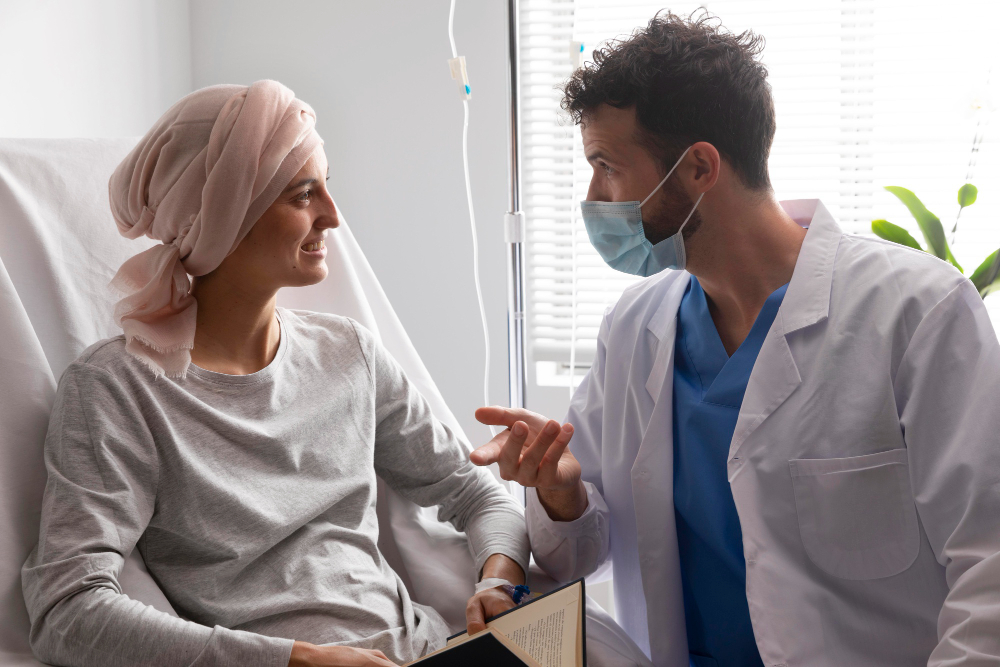
Chemotherapy, Radiation, Immunotherapy or Targeted Therapy: Which Is Better?
There is no universal winner because these treatments work in fundamentally different ways.
Chemotherapy: Chemotherapy uses medicines that travel through the bloodstream, making it a systemic treatment. It can reach cancer cells in different areas of the body.
It may be used as the main treatment for certain cancers, before surgery to shrink tumours, after surgery to reduce recurrence risk, or to control advanced disease.
Its effectiveness depends on how sensitive the particular cancer is to chemotherapy.
Radiation Therapy: Radiation therapy is primarily a local treatment. It directs high-energy radiation at a specific area to damage cancer cells.
Modern radiation techniques allow doctors to plan treatment carefully and reduce exposure to surrounding healthy tissues.
Radiation may be used alone or together with surgery and chemotherapy.
Immunotherapy: Cancer cells can sometimes avoid detection by the immune system. Certain immunotherapies help the immune system recognise or attack cancer more effectively.
Immunotherapy has changed the treatment of several cancers, but it does not work equally well for everyone. Cancer type, biomarkers, previous treatments, and other clinical factors influence whether it is suitable.
Targeted Therapy: Targeted therapies act on specific molecular changes or pathways involved in cancer growth.
If testing reveals an actionable target, a targeted medicine may be considered. However, if the cancer does not have the relevant target, that medicine may provide little or no benefit.
Combination Therapy: For many cancers, the most effective strategy is not choosing one treatment over another but combining treatments strategically.
Chemotherapy may shrink a tumour before surgery. Radiation may treat the area after surgery. Targeted therapy or immunotherapy may be introduced depending on the cancer’s biological characteristics.
The real question is therefore not simply whether chemotherapy is better than radiation or immunotherapy. It is about determining which treatment, or combination of treatments, gives the individual patient the greatest expected benefit.
What Makes a Cancer Treatment “Effective”?
When patients ask which cancer treatment is most effective, the word “effective” can mean several things. A treatment may be successful in one way even when its purpose is not to eliminate every cancer cell.
Here are five ways effectiveness may be assessed:
1. Complete response: Tests may show that all detectable signs of cancer have disappeared following treatment. A complete response does not always mean the cancer can never return, which is why follow-up remains important.
2. Tumour reduction: A treatment may significantly shrink a tumour. This can make surgery possible, relieve symptoms, or indicate that the cancer is responding.
3. Disease control: In advanced cancer, treatment may keep the disease stable and prevent or slow further growth.
4. Reduced risk of recurrence: Some treatments are given after the primary treatment specifically to reduce the chance of cancer returning.
5. Better survival and quality of life: Effective treatment is not measured only by tumour size. Extending survival, controlling symptoms, reducing complications, and maintaining quality of life can also be important outcomes.
Doctors evaluate these outcomes using physical examinations, imaging, blood tests, tumour markers when appropriate, and other investigations.
Why Personalised Cancer Treatment Can Make a Difference
Cancer treatment has moved significantly towards personalised care. Instead of treating every tumour with the same protocol simply because it began in the same organ, doctors can increasingly study its biological characteristics.
Consider two patients with lung cancer. Their diagnosis may sound similar, but molecular testing could show different mutations. One patient may have a molecular change that can be targeted with a specific medicine, while the other may benefit more from chemotherapy, immunotherapy, or another treatment strategy.
Similarly, breast cancer treatment can differ based on hormone receptor status and HER2 status. Prostate cancer may respond to treatments that affect androgen signalling. Certain blood cancers can also be treated using medicines designed for specific molecular abnormalities.
Personalised treatment involves several important steps. Doctors first identify the exact cancer type and stage. Pathologists then study the tumour’s characteristics. Biomarker or molecular tests may be performed when appropriate. Specialists assess the patient’s health and previous treatments. Finally, the expected benefits and potential risks of different options are compared before treatment begins.
This is particularly important when choosing Cancer Treatment in Bangalore, because access to multiple oncology specialties and appropriate diagnostic testing can help patients receive treatment based on their individual disease rather than a generalised approach.
Why Is Healius a Preferred Choice for Cancer Treatment in Bangalore?
Choosing where to receive cancer treatment can be almost as important as understanding the treatment itself. Cancer care may involve multiple specialists, investigations, treatment sessions, follow-ups, and supportive care over weeks, months, or sometimes longer.
- Healius brings cancer care together with a focus on personalised treatment planning and coordinated oncology services. Patients can be evaluated based on their diagnosis, cancer stage, medical history, and individual treatment needs before a plan is recommended.
- The approach can involve medical oncology, surgical oncology, radiation oncology, diagnostics, and supportive care as required. This multidisciplinary model helps specialists look at the complete clinical picture instead of focusing on only one treatment method.
- For people searching for the best cancer hospital in Bangalore, Healius aims to provide comprehensive care where treatment decisions are guided by the type and stage of cancer, available clinical evidence, and the patient’s overall condition.
- Clear communication is also an important part of care, helping patients and families understand why a particular treatment is being recommended and what they can expect throughout the treatment journey.

Can Combining Cancer Treatments Be More Effective?
Yes, and combination treatment is common in modern oncology.
1. Surgery + Chemotherapy
- Chemotherapy may be given before surgery to shrink a tumour or after surgery to destroy cancer cells that may remain.
- This approach is used in several cancers depending on their stage and biological characteristics.
2. Surgery + Radiation Therapy
- Radiation therapy may be recommended after surgery when there is a risk that microscopic cancer cells remain in the surrounding area.
- In selected situations, radiation may also be given before surgery.
3. Chemotherapy + Radiation Therapy
- Chemoradiation combines chemotherapy and radiation. Certain chemotherapy medicines can make cancer cells more sensitive to radiation.
- This strategy is used for selected head and neck, cervical, rectal, lung, and other cancers.
4. Chemotherapy + Immunotherapy
- For certain advanced cancers, immunotherapy may be combined with chemotherapy.
- The exact combination depends on the cancer type, stage, biomarkers, and established treatment guidelines.
5. Targeted Therapy With Other Treatments
- Targeted therapy may sometimes be used alongside chemotherapy or other treatment approaches when the tumour has specific molecular characteristics.
- The benefit of combining treatments is that each approach can attack cancer differently. However, combinations can also increase side effects, which is why treatment needs careful planning and monitoring.
Finding the Cancer Treatment That Works Best for You
When cancer treatment is discussed, it is easy to look for one option that stands above everything else. Surgery sounds direct because the tumour is removed. Chemotherapy is widely used, so it may seem like the obvious choice. Newer options such as immunotherapy and targeted therapy can sound more advanced. But cancer care does not work on a simple scale where the newest or most intensive treatment automatically becomes the best one.
So, which cancer treatment is most effective? It is the treatment that is most appropriate for the specific cancer, its stage, its biological characteristics, and the patient receiving it.
For one person, that may mean surgery followed by chemotherapy. For another, radiation may be central to treatment. Someone with a particular biomarker may benefit from targeted therapy or immunotherapy. Another patient may require a combination of several treatments delivered in a carefully planned sequence.
The key is personalisation.
Good cancer care starts with an accurate diagnosis, proper staging, appropriate testing, and specialists who can evaluate the disease from multiple perspectives. Treatment should then be planned around what is most likely to offer meaningful benefit while considering potential side effects, overall health, and quality of life.
Because when it comes to cancer, effectiveness is not about choosing the biggest treatment. It is about choosing the right treatment, for the right cancer, at the right time.
