Experienced Oncologist in Bangalore For Advanced Care

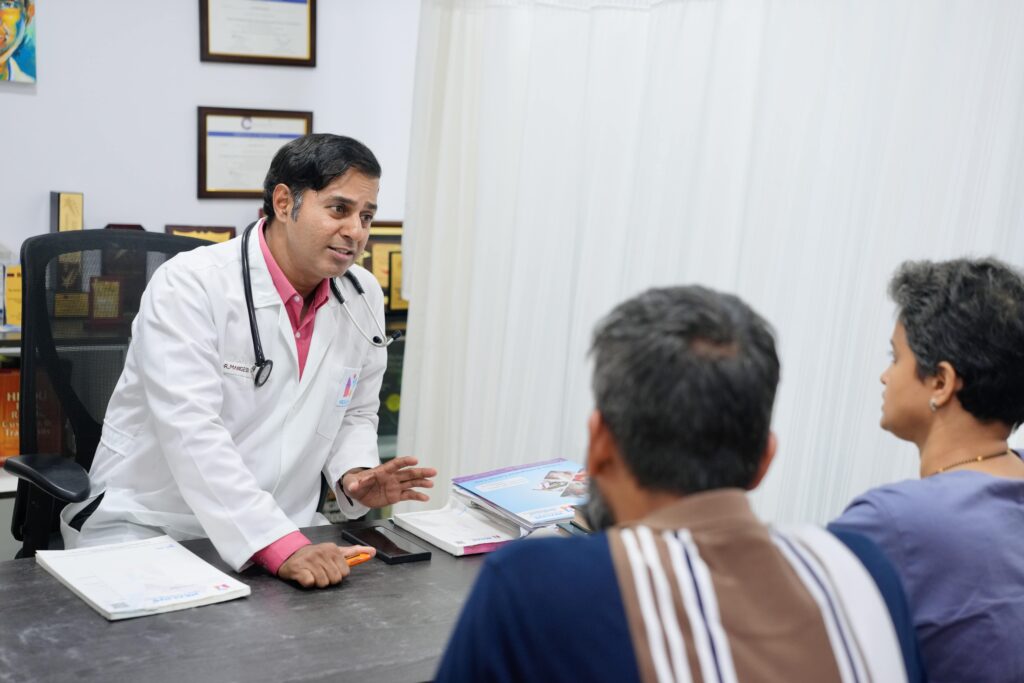
Cancer care at Healius Cancer & Hematology Center is led by Dr. Mangesh Kamath alongside a multidisciplinary team experienced in the diagnosis and treatment of solid tumors, blood cancers, and complex hematological conditions. The team follows an evidence-based approach to medical oncology, combining advanced therapies with individualized treatment planning tailored to each patient’s diagnosis, stage of disease, and overall health status.

From chemotherapy and immunotherapy to targeted therapy and bone marrow transplant support, treatment decisions are guided by clinical precision, careful evaluation, and long-term patient outcomes. With a strong emphasis on ethical care, transparent communication, and coordinated oncology management, Healius provides patients access to comprehensive cancer care delivered with both expertise and compassion.

Oncologist in Bangalore Delivering Evidence-Based Oncology Care

The understanding and treatment of cancer have evolved significantly over the years, transforming the way oncology care is approached today. 

While a cancer diagnosis continues to bring emotional and physical challenges for patients and their families, advancements in medical oncology, immunotherapy, targeted therapy, and precision-based treatment have enabled more personalized and effective cancer management than ever before. 

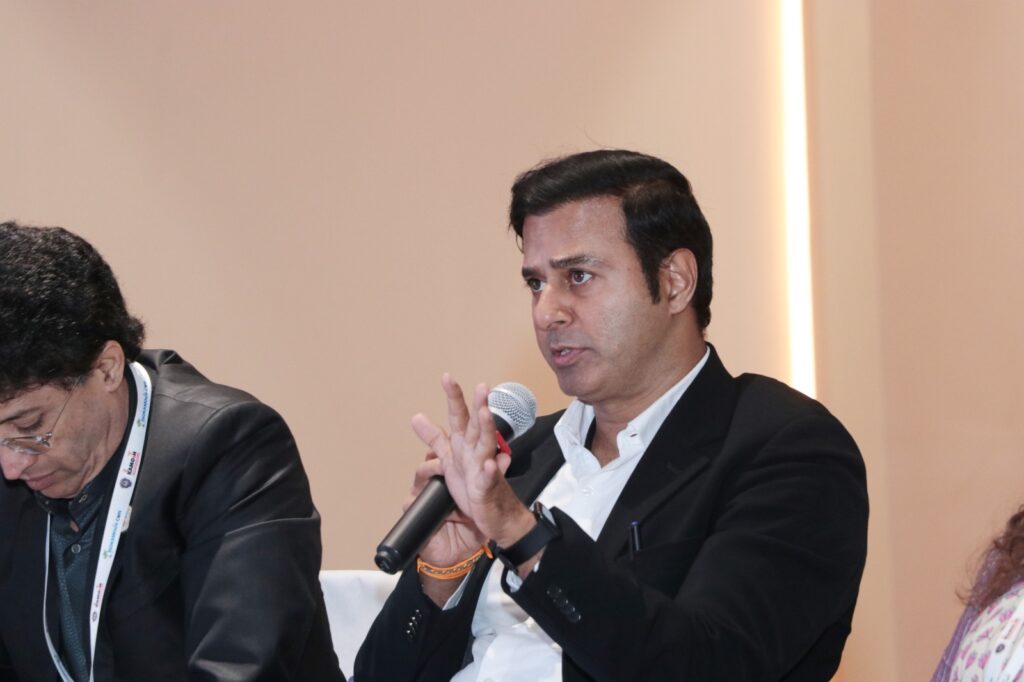
Dr. Mangesh Kamath, Medical Oncologist and Hemato-Oncologist at Healius Cancer & Hematology Center, has been closely associated with this evolving approach to cancer treatment. With extensive experience in managing solid tumors, hematological malignancies, and complex cancer conditions, Dr. Mangesh follows an evidence-based and patient-focused approach to oncology care that is tailored to the specific biological and clinical profile of every patient.

Rather than following a generalized treatment pathway, his approach emphasizes detailed clinical evaluation, multidisciplinary collaboration, and individualized treatment planning based on the type and stage of cancer, overall health condition, treatment response, and long-term patient well-being. His expertise spans chemotherapy, immunotherapy, targeted therapy, and supportive oncology care, allowing patients access to comprehensive cancer treatment supported by modern oncology protocols and advancements in systemic therapy.

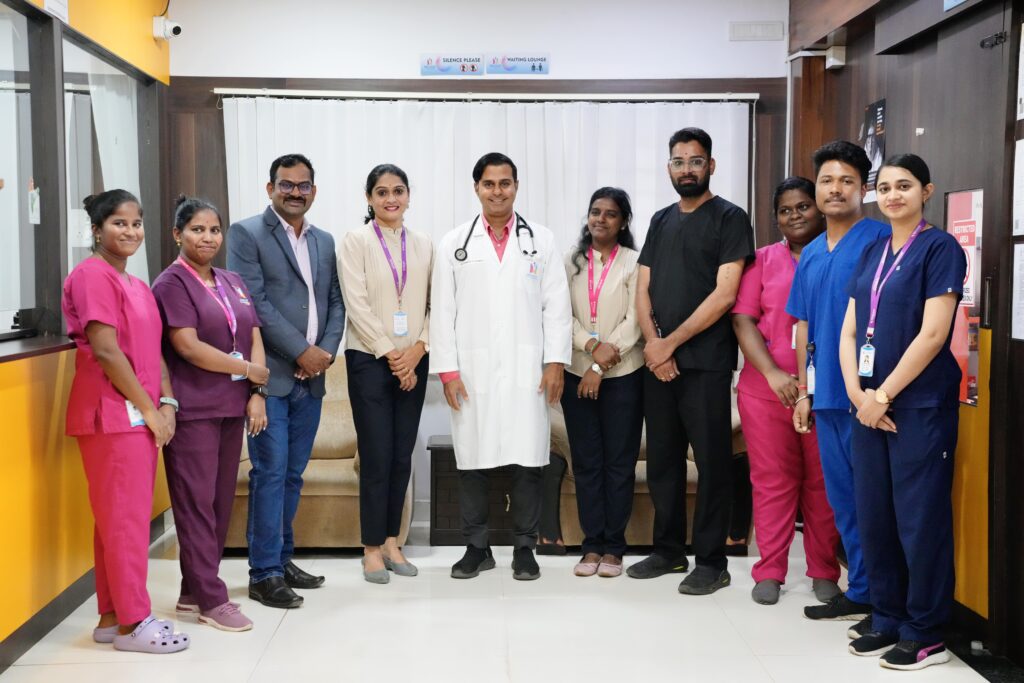
At Healius Cancer & Hematology Center, Dr. Mangesh works closely with a multidisciplinary team to ensure continuity of care across every stage of diagnosis, treatment, and follow-up management. Patients seeking a trusted oncologist in Bangalore benefit from a structured and evidence-based treatment approach tailored to their condition.

Dr. Mangesh emphasizes on ethical medical practice, transparent communication, and thoughtful clinical decision-making has helped establish a care environment where patients and families feel informed, supported, and confident throughout the cancer treatment process.

oncologist in bangalore
Oncologist Near Me

A Team Of Experienced Oncology Specialists, Led By Dr. Mangesh Kammath

Cancer care today requires more than just treatment alone. Patients often look for an oncology team they can trust through every stage of diagnosis, treatment, recovery, and long-term follow-up. At Healius Cancer & Hematology Center, Dr. Mangesh Kamath and the multidisciplinary oncology team work together to provide comprehensive cancer care supported by modern medical advancements and evidence-based treatment protocols.

The team manages a wide spectrum of solid tumors, blood cancers, and hematological disorders using advanced systemic therapies including chemotherapy, immunotherapy, targeted therapy, and supportive oncology care. Every treatment plan is developed after careful clinical evaluation, ensuring that care remains personalized to the patient’s condition, treatment goals, and overall well-being.

In addition to clinical expertise, the team places strong emphasis on patient education, transparent communication, and helping patients understand the treatment options available to them. The approach at Healius is centered on delivering structured oncology care with compassion, clarity, and continuity throughout the cancer treatment journey.

Why Is a Medical Oncologist Important in Cancer Care?

A cancer diagnosis can bring many questions about what happens next, which treatment is right, and what to expect along the way. A medical oncologist is a doctor who specialises in treating cancer using medicines and works closely with you throughout different stages of your treatment.

At Healius our team of experts, led by our experienced medical oncologist, provide personalised cancer care based on your diagnosis, type and stage of cancer, overall health, and individual treatment needs. Depending on your condition, treatment may include chemotherapy, immunotherapy, targeted therapy, hormone therapy, or a combination of different approaches.

Our medical oncologists work alongside surgical oncologists, radiation oncologists, pathologists, radiologists, and other specialists to develop a treatment plan suited to your condition. They also monitor how you respond to treatment, manage possible side effects, and make changes to the treatment plan when needed.

What Is Medical Oncology?

Medical oncology is a branch of medicine that focuses on diagnosing, treating, and managing cancer using medicines. It involves choosing treatment based on the type and stage of cancer, while also monitoring the patient throughout their cancer care journey.

  • Cancer Evaluation: Medical oncology involves reviewing diagnostic tests, scans, pathology reports, and other findings to understand the cancer and plan appropriate treatment.
  • Chemotherapy: Uses anti-cancer medicines to destroy cancer cells or slow their growth and may be given alone or alongside other treatments.
  • Immunotherapy: Helps the body’s immune system recognise and fight cancer cells and is used for certain types and stages of cancer.
  • Targeted and Hormone Therapy: Targeted therapy acts on specific features of cancer cells, while hormone therapy may be used for cancers influenced by hormones.
  • Ongoing Cancer Care: Medical oncology also includes monitoring treatment response, managing side effects, adjusting treatment when needed, and providing follow-up care.
 
When Should You Consult a Medical Oncologist in Bangalore?

Not every unusual symptom means cancer, but certain persistent or unexplained changes may need medical evaluation. You may also need to consult a medical oncologist after a cancer diagnosis or when referred by another doctor for specialised cancer care.

  • Unexplained Lump or Swelling: A new lump, swelling, or unusual mass that persists or grows over time should be evaluated, particularly in areas such as the breast, neck, abdomen, or lymph nodes.
  • Unexplained Weight Loss or Persistent Fatigue: Losing weight without trying, ongoing weakness, loss of appetite, or fatigue that does not improve may require further investigation.
  • Persistent Pain or Unusual Symptoms: Pain that does not go away, prolonged cough, difficulty swallowing, changes in bowel or bladder habits, or unexplained bleeding should not be ignored.
  • After an Abnormal Test or Cancer Diagnosis: If a scan, biopsy, blood test, or other investigation suggests or confirms cancer, a medical oncologist can evaluate the findings and recommend the next steps.
  • When You Need Cancer Treatment or a Second Opinion: A medical oncologist can help determine whether treatments such as chemotherapy, immunotherapy, targeted therapy, or hormone therapy are appropriate and can also review an existing diagnosis or treatment plan.
What Types of Cancer Are Treated by a Medical Oncologist?

Medical oncologists treat different types of cancer using medicines that work throughout the body. The treatment approach depends on the type and stage of cancer, test results, and the patient’s overall health.

  1. Breast Cancer
  • Medical oncologists treat breast cancer using chemotherapy, hormone therapy, targeted therapy, and immunotherapy based on the characteristics of the cancer.
  • Treatment may be recommended before or after surgery or for cancer that has spread to other parts of the body.
  1. Lung Cancer
  • Treatment may include chemotherapy, immunotherapy, targeted therapy, or a combination depending on the type and stage of lung cancer.
  • Biomarker and molecular testing may help identify specific changes in cancer cells that can guide targeted treatment.
  1. Colorectal Cancer
  • Medical oncologists use chemotherapy, targeted therapy, and immunotherapy to treat certain colon and rectal cancers.
  • These treatments may be given before or after surgery or used to control advanced or metastatic colorectal cancer.
  1. Stomach Cancer
  • Systemic treatments for stomach cancer can include chemotherapy, targeted therapy, and immunotherapy depending on the stage and tumour characteristics.
  • Medical oncologists may coordinate treatment with surgery or other therapies as part of a multidisciplinary treatment plan.
  1. Prostate Cancer
  • Hormone therapy is commonly used to control prostate cancer by reducing or blocking hormones that can promote cancer growth.
  • Depending on the stage and progression, chemotherapy, targeted therapy, and other systemic treatments may also be considered.
  1. Ovarian Cancer
  • Chemotherapy is commonly used as part of ovarian cancer treatment, while targeted therapies may be suitable for certain patients.
  • A medical oncologist works with other cancer specialists to plan treatment before or after surgery and manage advanced or recurrent disease.
How Is Medical Oncology Different From Oncology?
Oncology Medical Oncology
Oncology is the broader field of medicine focused on the diagnosis, treatment, and management of cancer. Medical oncology is a specialised branch of oncology focused mainly on treating cancer using medicines.
It includes different specialties such as medical oncology, surgical oncology, and radiation oncology. It focuses on systemic treatments such as chemotherapy, immunotherapy, targeted therapy, and hormone therapy.
Cancer treatment under oncology may involve surgery, radiation therapy, medicines, or a combination of approaches. Treatment primarily involves medicines that work throughout the body to target or control cancer.
Oncologists from different specialties may be involved at various stages of cancer care. A medical oncologist plans systemic treatment, monitors response, manages side effects, and adjusts treatment when required.
Oncology covers the overall cancer care journey, including diagnosis, treatment, monitoring, and follow-up. Medical oncology focuses on the medical treatment of cancer while coordinating with other cancer specialists when needed.
What Tests Are Done By a Medical Oncologist?

A medical oncologist may recommend or review different tests to understand the type and stage of cancer, assess your overall health, and determine which treatments may be suitable. Tests can also be repeated during treatment to check how the cancer is responding.

  • Blood Tests: Blood tests such as a complete blood count and liver or kidney function tests help assess overall health, organ function, and whether it is safe to proceed with certain treatments.
  • Imaging Tests: CT scans, MRI scans, PET scans, X-rays, or ultrasounds may be used to locate tumours, determine whether cancer has spread, and monitor response to treatment.
  • Biopsy and Pathology Tests: A tissue sample may be examined to confirm cancer, identify the cancer type, and understand characteristics that can influence treatment decisions.
  • Tumour Marker Tests: Certain cancers produce substances that can be measured in the blood. When clinically appropriate, tumour markers may help assess the disease or monitor treatment response.
  • Molecular and Biomarker Tests: Tumour tissue or blood may be tested for specific genes, proteins, or other biomarkers that can help determine whether targeted therapy, immunotherapy, or other treatments may be appropriate.
Why Choose Healius While Looking For A Medical Oncologist in Bangalore?

Choosing a medical oncologist involves looking at the expertise available, treatment options, coordination between specialists, and support throughout the treatment journey. At Healius, cancer care is planned around each patient’s diagnosis and individual treatment needs.
1. Experienced Medical Oncology Team:
Care is provided by medical oncologists experienced in managing different types and stages of cancer.Treatment decisions are based on the patient’s diagnosis, clinical findings, and overall health.
2. Personalised Cancer Treatment Plans:
Treatment is planned according to the type and stage of cancer, test results, and individual health needs.Plans may be adjusted based on treatment response, side effects, and changes in the patient’s condition.
3. Multiple Medical Oncology Treatments:
Patients can receive systemic treatments such as chemotherapy, immunotherapy, targeted therapy, and hormone therapy when clinically appropriate.The most suitable treatment or combination is selected based on the characteristics of the cancer.
4. Multidisciplinary Approach:
Medical oncologists work alongside surgical oncologists, radiation oncologists, radiologists, pathologists, and other specialists.This coordinated approach helps different aspects of cancer treatment work together as part of one care plan.
5. Support Throughout Treatment:
Patients are monitored regularly to assess treatment response and identify treatment-related side effects.Guidance and supportive care are provided throughout treatment and follow-up to help patients manage their cancer care journey.


Your Trusted Choice While Looking For An Oncologist Near Me

est oncologist in bangalore

Healius Cancer & Hematology Center in Bangalore was established with the vision of providing structured, evidence-based cancer care supported by modern oncology advancements and multidisciplinary expertise. Led by experienced specialists including Dr. Mangesh Kamath, the center focuses on delivering personalized treatment strategies for patients diagnosed with solid tumors, blood cancers, and complex hematological disorders.

Patients looking for an oncologist near me or an experienced oncologist in Bangalore often require more than just treatment alone. At Healius, the emphasis remains on careful clinical evaluation, transparent communication, and continuity of care throughout the treatment journey. The team works closely across specialties to ensure that every treatment plan is tailored to the patient’s diagnosis, disease stage, treatment response, and overall well-being.

Healius offers advanced medical oncology services including chemotherapy, immunotherapy, targeted therapy, supportive oncology care, and hematology management using modern evidence-based protocols. In addition, the center provides access to coordinated multidisciplinary cancer care, helping patients receive comprehensive treatment under one integrated team.

For patients searching for a trusted oncologist near me or a trusted oncologist near me, Healius Cancer & Hematology Center combines clinical expertise with compassionate patient support, ensuring that every stage of cancer care is managed with precision, clarity, and a strong focus on long-term outcomes.

Expert & Personalised Treatment Across a Different Cancers

Frequently Asked Questions

1. When should someone consult an oncologist?

Persistent symptoms such as unexplained weight loss, unusual lumps or swelling, long-term fatigue, abnormal bleeding, difficulty swallowing, changes in bowel habits, or a persistent cough should not be ignored. Early consultation with an experienced oncologist in Bangalore can help identify serious conditions sooner and support timely treatment planning.

2. What does a medical oncologist do?

A medical oncologist specializes in treating cancer using therapies such as chemotherapy, immunotherapy, targeted therapy, and hormone therapy. They also guide patients through diagnosis, treatment planning, treatment monitoring, and long-term follow-up care as part of comprehensive cancer management.

3. Why is multidisciplinary cancer care important?

Cancer treatment often requires coordination between multiple specialists including medical oncologists, surgical oncologists, radiation oncologists, radiologists, pathologists, and supportive care teams. A multidisciplinary approach helps ensure that treatment decisions are balanced, comprehensive, and tailored to the patient’s condition by an experienced cancer specialist team.

4. Is chemotherapy the only treatment available for cancer?

No, modern cancer treatment includes several advanced therapies such as immunotherapy, targeted therapy, hormone therapy, precision-based treatments, and supportive oncology care. Depending on the diagnosis, patients may receive a single treatment or a combination of therapies recommended by a medical oncologist.

5. Can cancer be treated without surgery?

Yes, many cancers are managed using medical oncology treatments such as chemotherapy, immunotherapy, targeted therapy, or radiation therapy. In some cases, surgery may not be required at all, while in others it may form one part of a larger treatment plan developed by a multidisciplinary oncology team.

6. Are newer treatments like immunotherapy suitable for every patient?

Not always, as the suitability of immunotherapy depends on the type of cancer, molecular characteristics, previous treatment history, and the patient’s overall health condition. Treatment decisions are made after careful clinical evaluation by an experienced oncologist and cancer specialist.

7. Do all cancer treatments cause severe side effects?

Treatment experiences can vary widely between patients. Advances in oncology care and supportive medications have helped manage many side effects more effectively than before. The oncology team continuously monitors patients during treatment to help minimize complications and improve comfort throughout the cancer care journey.

8. Can patients continue their routine during treatment?

Many patients are able to continue parts of their routine depending on the type of treatment and their physical condition. However, treatment tolerance differs from person to person, and adjustments may sometimes be needed during therapy. A medical oncologist closely monitors the patient’s response to treatment and overall well-being during this period.

Doctor Appointment Booking

+91 99006 13143 Chat With Our Oncologist