


Understanding What Is Bladder Cancer
The bladder is a muscular organ in the urinary system that stores urine produced by the kidneys until it is passed out of the body. Bladder cancer occurs when abnormal changes in the bladder cells cause them to multiply and form a tumour. While some tumours remain limited to the bladder’s inner lining, others can grow into the muscle layer or spread to nearby tissues and organs. The extent of the disease plays an important role in determining the next steps. Doctors assess the tumour’s characteristics, the stage of cancer and the patient’s overall health to understand which treatment approaches are most suitable.
At Healius, our approach to bladder cancer treatment in Bangalore focuses on understanding the specific needs of each patient. From evaluating the diagnosis to discussing suitable treatment options, our team works to ensure that patients receive care based on their individual circumstances. Treatment may involve surgery, chemotherapy, immunotherapy or a combination of approaches, depending on the nature of the cancer. We aim to help patients understand their treatment options and navigate each stage of care with guidance from our cancer specialists and support from a coordinated medical team.
How Do I Know I Might Have Bladder Cancer?
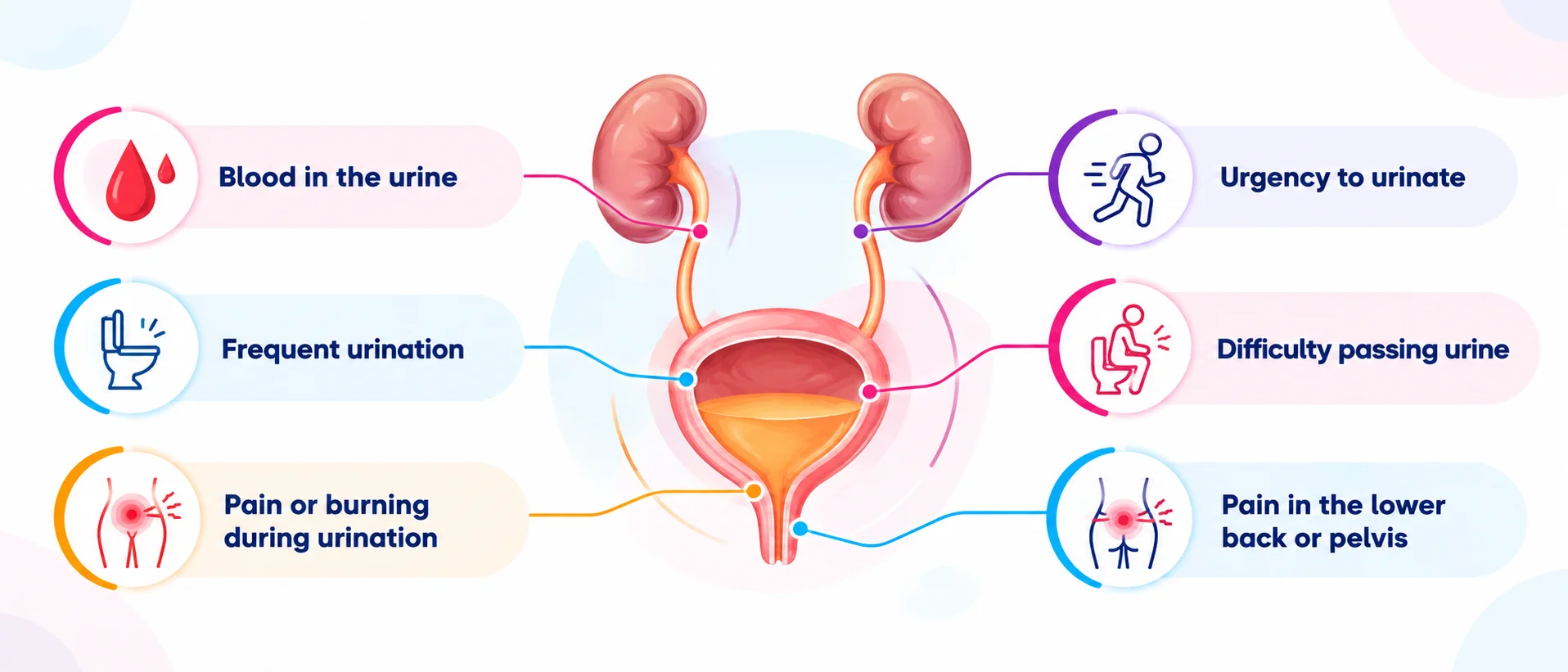
Bladder cancer can cause changes in urination that may be difficult to recognise at first. While these symptoms can also occur due to urinary tract infections or other conditions, certain signs should not be ignored, especially if they persist or recur. Recognising these changes and seeking medical evaluation can help identify the underlying cause.
Common signs that may require medical attention include:
- Blood in the urine: Urine may appear pink, red or brown, although blood may sometimes be visible only during a urine test.
- Frequent urination: You may feel the need to urinate more often than usual, even when your bladder is not full.
- Pain or burning during urination: Passing urine may cause discomfort or a burning sensation.
- Urgency to urinate: You may experience a sudden, strong urge to urinate that is difficult to control.
- Difficulty passing urine: You may have trouble starting urination or experience a weak urine stream.
- Pain in the lower back or pelvis: Persistent discomfort in these areas may occur, particularly if the disease has progressed.
What Are The Most Common Causes of Bladder Cancer?
Bladder cancer develops when cells in the bladder undergo abnormal changes and begin to grow uncontrollably. Although the exact cause may not always be known, certain risk factors can increase the likelihood of developing the condition.
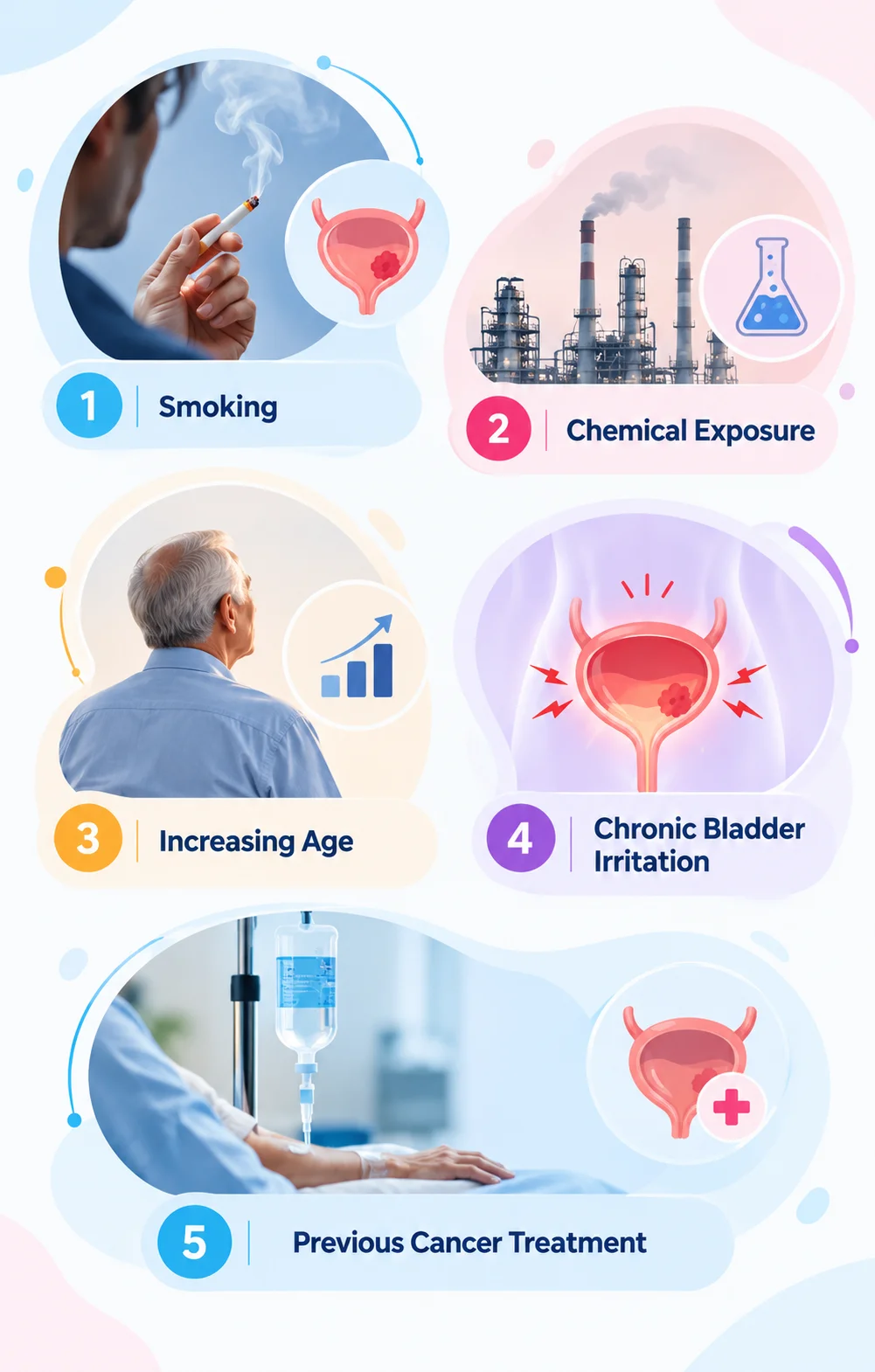
The six most important risk factors associated with bladder cancer include:
- Smoking: Smoking is one of the leading risk factors for bladder cancer. Harmful chemicals in tobacco enter the bloodstream, pass through the kidneys and accumulate in the urine, potentially damaging the bladder lining.
- Chemical Exposure: Prolonged exposure to certain industrial chemicals, particularly those used in dye, rubber, paint and chemical manufacturing, can increase the risk of bladder cancer.
- Increasing Age: The risk of bladder cancer increases with age, and the condition is more commonly diagnosed in older adults.
- Chronic Bladder Irritation: Long-term bladder inflammation and certain chronic infections, particularly those associated with Schistosoma haematobium in regions where it occurs, can increase the risk of specific types of bladder cancer.
- Previous Cancer Treatment: Certain chemotherapy drugs, such as cyclophosphamide, and radiation therapy involving the pelvic area may increase the risk of developing bladder cancer later.
- Family History: Having close relatives with bladder cancer may increase a person’s risk, although most cases are not directly inherited.
What Are The Options Under Bladder Cancer Treatment in Bangalore?
Treatment Option | Explanation |
Transurethral Resection of Bladder Tumour (TURBT) | TURBT is a procedure used to remove bladder tumours through the urethra without an external incision. It is commonly used to diagnose and treat early-stage bladder cancer that has not invaded the bladder muscle. |
Chemotherapy for Bladder Cancer | Chemotherapy uses medicines to destroy cancer cells or stop them from multiplying. It may be given directly into the bladder for certain early-stage cancers or intravenously to treat more advanced disease. |
Bladder Cancer Immunotherapy | Immunotherapy helps the immune system recognise and fight cancer cells. Depending on the type and stage of bladder cancer, it may involve BCG treatment delivered into the bladder or immunotherapy medicines administered through the bloodstream. |
Bladder Preservation for Bladder Cancer | Bladder preservation aims to treat cancer while retaining the bladder. For selected patients, it may involve removing the tumour through TURBT, followed by chemotherapy and radiation therapy. Suitability depends on the cancer’s characteristics and extent. |
Cystectomy (Bladder Removal Surgery) | Cystectomy involves removing part or all of the bladder, depending on the extent of the cancer. Removal of the entire bladder may be recommended for muscle-invasive bladder cancer or certain high-risk cases when bladder-preserving treatments may not be appropriate. |
What Are the Possible Side Effects of Bladder Cancer Treatment?
The side effects of bladder cancer treatment can vary depending on the type of treatment, the stage of the cancer and the patient’s overall health. While some people experience mild, temporary discomfort, others may require additional support to manage treatment-related changes. Understanding the possible side effects helps patients prepare for treatment and discuss any concerns with their medical team.
Common side effects of bladder cancer treatment may include:
- Frequent or Painful Urination: Treatments such as TURBT, BCG therapy and radiation therapy may cause a burning sensation, urinary urgency or an increased need to urinate.
- Blood in the Urine: Some patients may notice blood in their urine following bladder procedures or during certain treatments. Persistent or heavy bleeding should be reported to the treating team.
- Fatigue: Chemotherapy, radiation therapy and other cancer treatments may cause tiredness that affects daily activities.
- Nausea and Vomiting: Certain chemotherapy medicines may cause nausea, vomiting or changes in appetite.
- Increased Risk of Infections: Some treatments can affect the body’s ability to fight infections, while urinary procedures may increase the risk of urinary tract infections.
- Changes in Bladder Function: Treatment may reduce bladder capacity or affect urinary control. Patients who undergo bladder removal surgery may need a new way to store and pass urine.
- Bowel or Sexual Function Changes: Pelvic surgery and radiation therapy may affect bowel function or sexual health in some patients.
Why Choose Healius for Bladder Cancer Treatment?
1. Personalised Bladder Cancer Treatment Plans
- Treatment recommendations are based on the type, stage and extent of bladder cancer.
- Each patient’s overall health and individual treatment needs are considered before planning care.
- Treatment options are evaluated to help determine the most appropriate approach for each case.
2. Experienced Cancer Specialists
- Access to specialist evaluation for different stages and types of bladder cancer.
- Treatment recommendations guided by the patient’s diagnosis and medical condition.
- Ongoing clinical guidance to help patients understand their treatment options and next steps.
3. Multiple Bladder Cancer Treatment Options
- Evaluation for surgical procedures, including transurethral resection of bladder tumour (TURBT), where appropriate.
- Access to treatment approaches such as chemotherapy and immunotherapy, depending on clinical suitability.
- Assessment of bladder preservation and bladder removal surgery options based on the extent of the cancer.
4. Focus on Bladder Preservation
- Assessment of whether bladder-preserving treatment may be suitable for eligible patients.
- Consideration of approaches that may combine tumour removal, chemotherapy and radiation therapy.
- Treatment planning that considers cancer control, bladder function and the patient’s overall needs.
5. Advanced Diagnostic and Treatment Facilities
- Diagnostic evaluation to help establish the type and extent of bladder cancer.
- Medical investigations to support treatment planning and assessment of disease progression.
- Treatment decisions informed by diagnostic findings and the patient’s clinical condition.
6. Coordinated and Continuous Patient Care
- Guidance through diagnosis, treatment planning and subsequent follow-up.
- Support in understanding treatment procedures, potential side effects and recovery expectations.
- Follow-up care to monitor recovery and identify signs of possible recurrence.
7. Supportive and Patient-Centred Care
- Clear communication to help patients understand their diagnosis and available treatment options.
- Attention to individual concerns, treatment preferences and quality of life.
- Guidance on managing treatment-related side effects and navigating the care process.
FAQ
Frequently Asked Questions
Can bladder cancer be treated without surgery?
Yes, some cases of bladder cancer can be treated without major surgery, depending on the type, stage and extent of the disease. Treatment may involve intravesical therapy, such as BCG, chemotherapy, systemic immunotherapy or radiation therapy combined with chemotherapy in selected cases. However, procedures such as TURBT are often needed to remove the tumour and establish the diagnosis. A cancer specialist can recommend the most suitable approach based on the patient’s condition.
Can bladder cancer come back after treatment?
Yes, bladder cancer can return after treatment, particularly in cases of non-muscle-invasive bladder cancer. The risk of recurrence depends on factors such as the tumour’s stage, grade, number and response to treatment. Regular follow-up appointments, urine tests, cystoscopy and other investigations, when recommended, help detect recurrence early. The treating specialist will advise on an appropriate monitoring schedule based on the individual’s risk.
Are there different stages of bladder cancer?
Yes, bladder cancer is classified into different stages based on how deeply the cancer has grown and whether it has spread beyond the bladder. The stages range from Stage 0, where abnormal cancer cells are limited to the bladder’s inner lining, to Stage IV, where the disease has spread to distant organs or certain other sites. Staging helps doctors determine the extent of the disease and recommend appropriate treatment, which may include surgery, chemotherapy, immunotherapy or radiation therapy.
How long does it take to recover from bladder cancer surgery?
Recovery time depends on the type of bladder cancer surgery performed and the patient’s overall health. After a transurethral resection of bladder tumour (TURBT), many patients resume their usual activities within one to two weeks, although recovery varies. More extensive procedures, such as bladder removal surgery (cystectomy), may require several weeks to a few months of recovery. The treating team will provide guidance on activity restrictions, wound care and follow-up appointments.
Is bladder cancer treatment painful?
The level of discomfort during bladder cancer treatment varies depending on the procedure and treatment method. Some patients may experience temporary burning during urination, bladder irritation or discomfort after TURBT or intravesical therapy. After major surgery, pain is generally managed with prescribed medication and appropriate supportive care. Patients should inform their medical team about persistent or severe pain so that it can be assessed and managed appropriately.
What is the cost of bladder cancer treatment in Bangalore?
The cost of bladder cancer treatment in Bangalore varies depending on the stage of the cancer, the recommended treatment, hospitalisation requirements and the duration of care. Procedures such as TURBT may have different costs from bladder removal surgery, chemotherapy or immunotherapy. Diagnostic tests, medications, follow-up visits and other supportive services may also contribute to the overall expense. A consultation with a cancer specialist can help determine the appropriate treatment plan and provide a more accurate estimate based on the patient’s medical needs.
