


Prostate Cancer Treatment with Expert-Led Care
The prostate is a gland located below the bladder that contributes to semen production and plays a role in male reproductive health. When cancer develops in the prostate, it may remain localised or spread to nearby tissues and other parts of the body. The right treatment approach depends on how the cancer behaves, its stage, the patient’s overall health and other individual medical considerations. A thorough evaluation helps doctors understand the extent of the disease and determine which treatment options may be suitable.
At Healius, the specialised prostate cancer treatment in Bangalore, focuses on care that reflects each patient’s condition and needs. Our team of specialists assesses the diagnosis and considers the available treatment approaches before recommending a plan. Through specialist-led care, advanced medical facilities and a coordinated approach to treatment, we aim to support patients at every step while ensuring their care is guided by their individual circumstances.
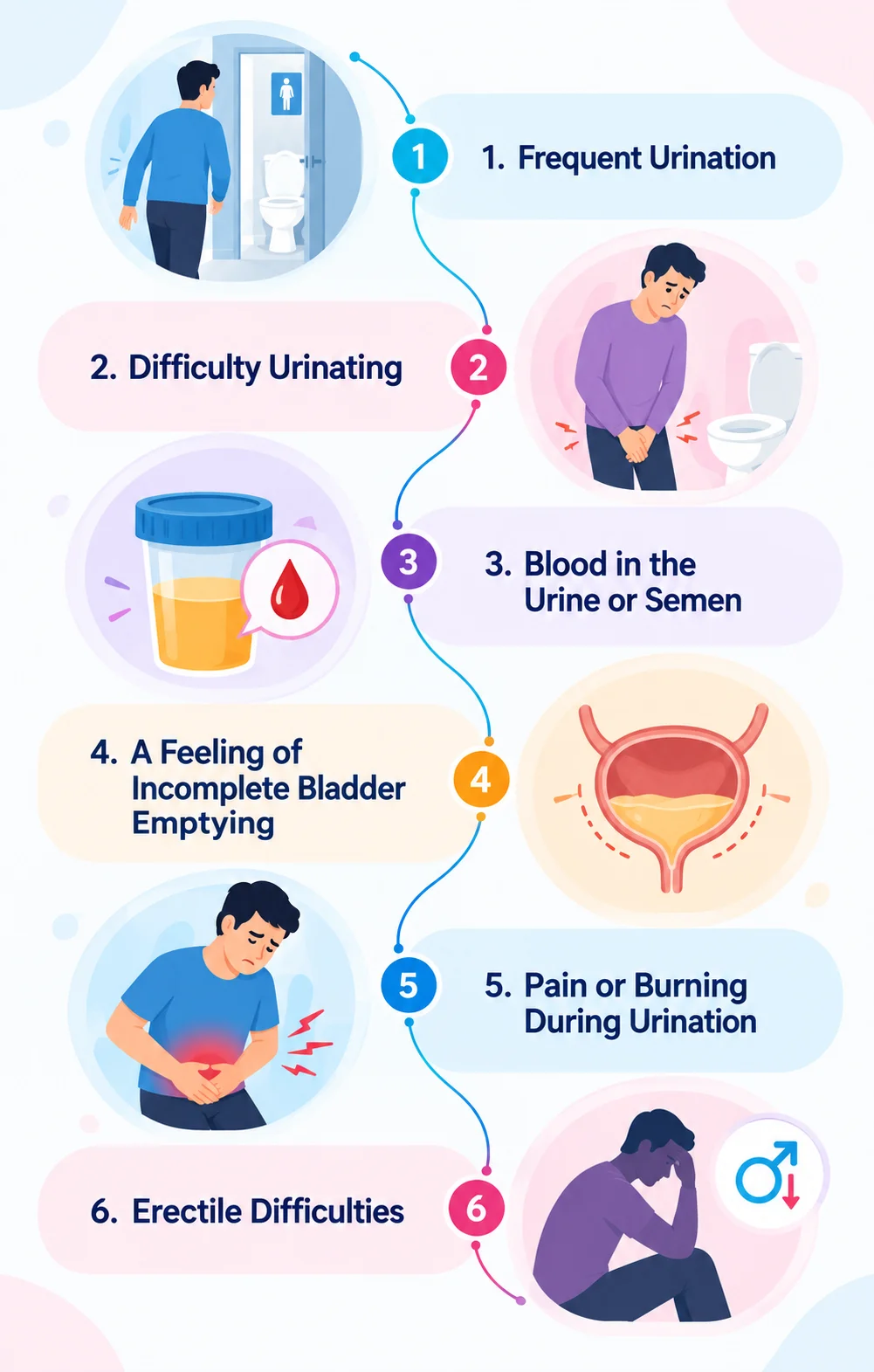
What Are The Early Symptoms of Prostate Cancer?
Prostate cancer may not cause noticeable symptoms in its early stages, which is why recognising potential warning signs is important. Some of the early symptoms to look out for include:
- Frequent Urination: Needing to urinate more often than usual, particularly at night, may be associated with prostate changes.
- Difficulty Urinating: Trouble starting urination, a weak urine stream, or difficulty maintaining a steady flow can sometimes indicate a prostate problem.
- Blood in the Urine or Semen: Blood in the urine or semen is not always a sign of cancer, but it should be evaluated by a doctor.
- A Feeling of Incomplete Bladder Emptying: Feeling as though urine remains in the bladder even after urinating may occur with prostate-related conditions.
- Pain or Burning During Urination: Discomfort or a burning sensation while urinating can have several causes and may require medical assessment.
- Erectile Difficulties: Some men may experience difficulty achieving or maintaining an erection, although this symptom has many possible causes and is not specific to prostate cancer.
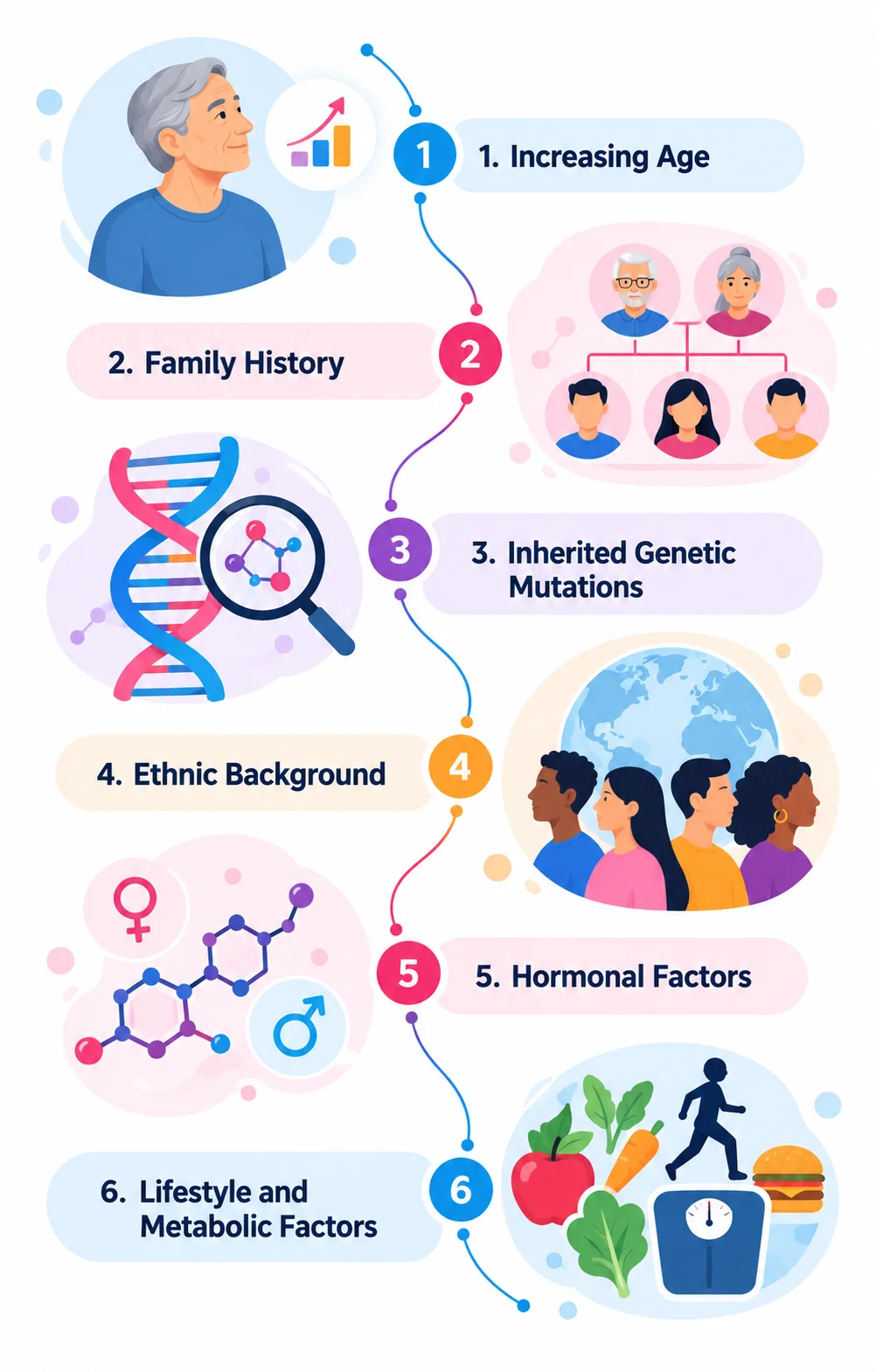
What Causes Prostate Cancer?
Prostate cancer develops when cells in the prostate gland begin to grow and multiply uncontrollably, eventually forming a tumour. Some of the most important risk factors include:
- Increasing Age: The risk of prostate cancer rises as men get older, with most cases diagnosed in men over the age of 50.
- Family History: Having a father, brother, or other close relative with prostate cancer can increase the risk, particularly if they were diagnosed at a younger age.
- Inherited Genetic Mutations: Certain inherited gene changes, including mutations in the BRCA1, BRCA2, and other genes, can increase the likelihood of developing prostate cancer.
- Ethnic Background: Prostate cancer occurs more frequently in men of African ancestry, who may also face a higher risk of developing aggressive forms of the disease.
- Hormonal Factors: Androgens, including testosterone, play a role in prostate cell growth. Hormonal signalling is involved in prostate cancer development and progression.
- Lifestyle and Metabolic Factors: Obesity and certain dietary patterns may be associated with an increased risk of aggressive prostate cancer.
What Are the Stages of Prostate Cancer?
Prostate cancer is classified into four main stages based on the size and extent of the tumour, whether it has spread beyond the prostate gland, and whether it has reached other parts of the body. Understanding these stages helps doctors assess the condition and determine the most appropriate treatment approach.
Stage | Description |
Stage 1: Early-Stage Cancer | The cancer is small and confined to the prostate. It may not cause noticeable symptoms and is often detected through screening or medical evaluation. |
Stage 2: Localised Cancer | The cancer remains within the prostate but may be larger or have a higher grade than Stage 1. The risk of progression depends on the tumour’s characteristics. |
Stage 3: Locally Advanced Cancer | The cancer may have grown beyond the prostate into nearby tissues, such as the seminal vesicles. It has not spread to distant parts of the body. |
Stage 4: Advanced Cancer | The cancer may have spread to nearby lymph nodes, surrounding organs, or distant sites such as the bones and other organs. Treatment depends on the extent of spread and the patient’s overall health. |
What are the Options Under Prostate Cancer Treatment in Bangalore?
1. Prostate Cancer Robotic Surgery
Robotic surgery may be recommended for patients whose cancer is suitable for surgical removal. It allows surgeons to perform precise movements using specialised instruments controlled through a robotic system.
- Minimally Invasive Approach: Robotic-assisted surgery uses small incisions and specialised instruments to remove the prostate gland when indicated.
- Precision During Surgery: The robotic system provides a magnified, high-definition view of the surgical area, helping surgeons work with precision.
- Removal of the Prostate: A procedure called radical prostatectomy involves removing the prostate gland and, in selected cases, nearby tissues or lymph nodes.
- Potential Recovery Benefits: Compared with traditional open surgery, robotic surgery may offer less blood loss and a shorter hospital stay for suitable patients.
- Individualised Suitability: The surgeon considers the cancer stage, overall health, and potential effects on urinary control and sexual function before recommending surgery.
2. Prostate Cancer Radiation Therapy
Radiation therapy uses high-energy radiation to damage cancer cells and control their growth. It may be used as a primary treatment for localised prostate cancer or in combination with other therapies.
- External Beam Radiation Therapy: Radiation is delivered to the prostate from outside the body using specialised equipment.
- Brachytherapy: In selected patients, radioactive sources are placed inside or near the prostate to deliver radiation directly to the treatment area.
- Treatment for Different Stages: Radiation may be recommended for localised or locally advanced prostate cancer, depending on the clinical assessment.
- Combination With Hormone Therapy: Some patients may receive hormonal therapy alongside radiation to improve treatment effectiveness.
- Treatment Planning: Doctors determine the radiation dose and schedule based on the cancer’s characteristics and the patient’s individual needs.
3. Prostate Cancer Hormonal Therapy
Hormonal therapy, also called androgen deprivation therapy (ADT), reduces testosterone levels or blocks its effects on prostate cancer cells. Since many prostate cancers rely on androgens to grow, this treatment can help slow disease progression.
- Reducing Testosterone Levels: Certain medications lower the amount of testosterone produced by the body, helping control cancer growth.
- Blocking Hormone Activity: Other medicines prevent testosterone from acting on prostate cancer cells.
- Combination With Radiation: Hormonal therapy may be used with radiation for selected patients with intermediate-risk or high-risk disease.
- Managing Advanced Cancer: It is commonly used when prostate cancer has spread beyond the prostate or returned after earlier treatment.
- Monitoring Treatment Effects: Doctors monitor treatment response and possible side effects, including fatigue, hot flashes, reduced libido, and changes in bone health.
4. Prostate Cancer Chemotherapy
Chemotherapy uses medicines to destroy cancer cells or slow their growth. It is generally considered in certain cases of advanced prostate cancer, particularly when the disease has spread or requires additional systemic treatment.
- Treatment for Advanced Disease: Chemotherapy may be recommended when prostate cancer has spread to other parts of the body.
- Medicines Delivered Systemically: The drugs usually enter the bloodstream, allowing them to act on cancer cells throughout the body.
- Combination With Other Therapies: Depending on the diagnosis, chemotherapy may be used alongside hormone-based treatments or other medicines.
- Treatment Cycles: Chemotherapy is typically administered in planned cycles, with rest periods to allow the body to recover.
- Side Effect Management: Patients are monitored for effects such as fatigue, nausea, reduced blood cell counts, and increased susceptibility to infections.
5. Prostate Cancer Treatment Without Surgery
Prostate cancer treatment without surgery may be suitable for patients whose cancer can be managed through other approaches. The choice depends on the cancer’s stage and risk category, the patient’s health, and their preferences.
- Active Surveillance: For selected patients with low-risk, localised prostate cancer, doctors may recommend regular PSA tests, examinations, imaging, and repeat biopsies rather than immediate treatment.
- Radiation Therapy: External beam radiation or brachytherapy may be used to treat localised prostate cancer without removing the prostate gland.
- Hormonal Therapy: Medicines that reduce or block androgen activity may help control cancer growth, particularly in advanced disease or alongside radiation.
- Chemotherapy and Other Medicines: For advanced prostate cancer, chemotherapy or other systemic treatments may be considered based on how the disease behaves and responds to treatment.
- Personalised Treatment Planning: A specialist evaluates the potential benefits, risks, side effects, and long-term implications of each approach before recommending a treatment plan.
Benefits of Choosing Healius For Prostate Cancer Treatment
Choosing the right cancer care team is an important step towards making informed decisions about treatment. At Healius, the focus is on providing patients with personalised care, specialist guidance, and support throughout their prostate cancer treatment journey.
- Expert-Led Cancer Care: Prostate cancer requires careful evaluation to determine the most suitable treatment approach. The medical team at Healius assesses each patient’s diagnosis and individual needs to help guide treatment decisions.
- Personalised Treatment Planning: Every prostate cancer diagnosis is different, and treatment plans should reflect these differences. Healius focuses on understanding each patient’s condition and medical requirements before determining an appropriate course of care.
- Comprehensive Treatment Options: Prostate cancer may require surgery, radiation therapy, hormonal therapy, chemotherapy, or a combination of approaches. Access to appropriate treatment options helps patients explore care pathways suited to their diagnosis and stage of cancer.
- Advanced Medical Facilities: Access to appropriate medical facilities and diagnostic services plays an important role in cancer care. Healius aims to support the treatment process through clinical evaluation and the medical resources required for informed care decisions.
- Coordinated Approach to Treatment: Managing prostate cancer may involve different specialists at various stages of care. A coordinated approach helps ensure that treatment decisions, follow-up assessments, and patient needs are considered throughout the process.
- Continued Guidance and Follow-Up Care: Cancer care extends beyond the initial treatment phase. Follow-up assessments help doctors monitor treatment response, evaluate recovery, and identify any signs of recurrence that may require further evaluation.
FAQ
Frequently Asked Questions
What does a Gleason score mean in prostate cancer?
A Gleason score helps doctors understand how abnormal prostate cancer cells look under a microscope and how aggressively the cancer may behave. It is considered alongside PSA levels, cancer stage, and other findings when planning treatment.
What is a PSA blood test for prostate cancer?
A PSA blood test measures the level of prostate-specific antigen (PSA), a protein produced by the prostate gland, in the blood. Higher levels may indicate prostate cancer, but they can also occur due to other prostate conditions, so doctors may recommend further tests to determine the cause.
Can prostate cancer return after treatment?
Yes, prostate cancer can sometimes return after treatment, even if the initial treatment was successful. Regular follow-up appointments and PSA testing help doctors monitor for signs of recurrence and decide whether further evaluation is needed.
Is prostate cancer treatment painful?
The experience varies depending on the treatment used. Some procedures may cause temporary discomfort, while other treatments can have side effects that the medical team can help manage.
What is the cost of prostate cancer treatment in Bangalore?
The cost of prostate cancer treatment in Bangalore depends on the type of treatment, the cancer’s stage, hospitalisation, diagnostic tests, and follow-up care. A specialist can provide a more personalised estimate after evaluating the patient’s condition.
What are the warning signs that prostate cancer has spread?
Advanced prostate cancer may cause persistent bone or back pain, unexplained weight loss, fatigue, or leg weakness. These symptoms can have other causes, so medical evaluation is important if they develop or persist.
Is prostate cancer hereditary?
Prostate cancer can run in families, and inherited genetic changes may increase a person’s risk. Men with close relatives who have had prostate cancer, especially at a younger age, may benefit from discussing their risk and screening options with a doctor.
Can prostate cancer return after treatment?
Yes, prostate cancer can sometimes return after treatment, even if the initial treatment was successful. Regular follow-up appointments and PSA testing help doctors monitor for signs of recurrence and decide whether further evaluation is needed.
