
What is Anal Cancer?
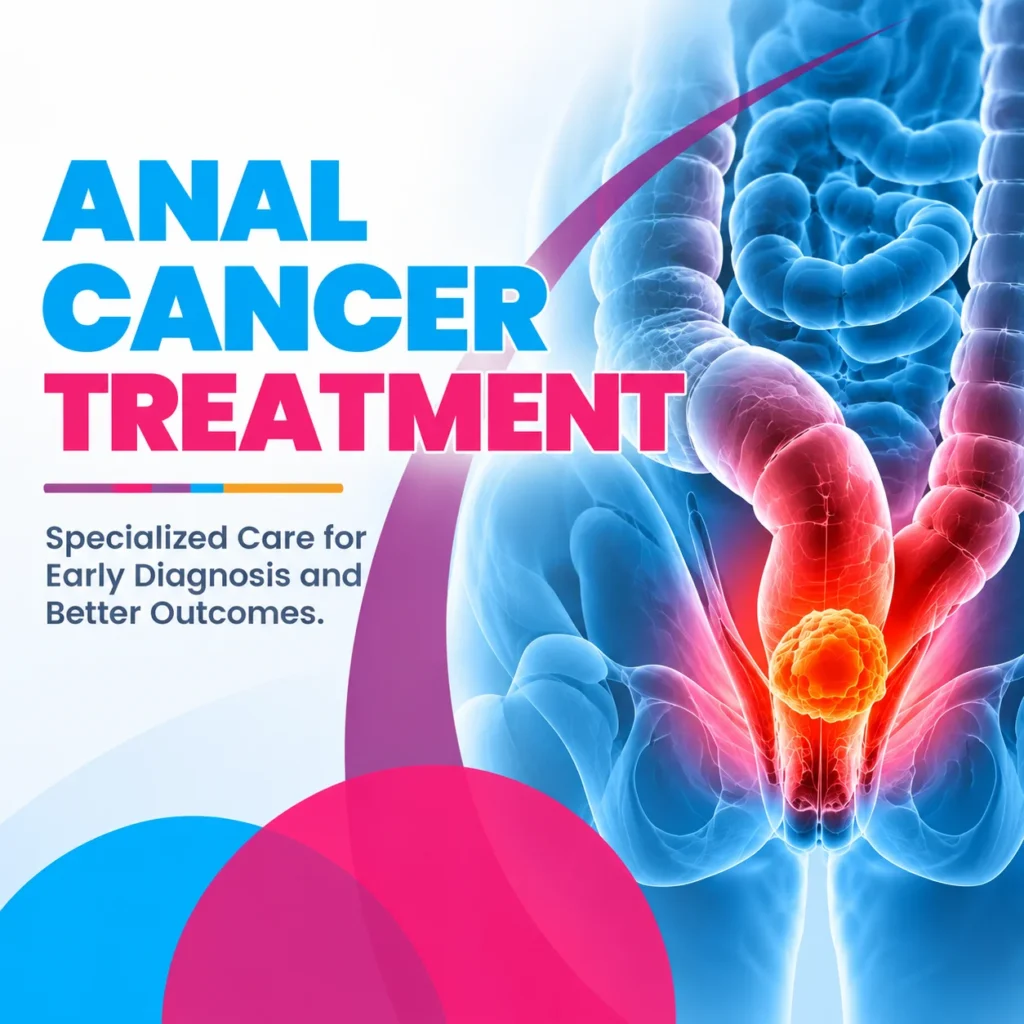
Anal cancer refers to cancer that begins in the anus or anal canal. The anus is the final part of the digestive system and plays an important role in passing stool. Anal cancer develops when cells in this area undergo abnormal changes and start growing and dividing uncontrollably. As these cells continue to multiply, they can form a cancerous growth.
Although anal cancer is not among the most common cancers, understanding the condition is important because some of its early signs can resemble less serious anal problems. In some cases, people may delay seeking medical advice because they assume the changes are related to piles, infections or irritation. A persistent change in the anal area deserves proper evaluation rather than self-diagnosis. Anal cancer can vary from one person to another depending on where it starts and how far it has developed. A doctor can recommend appropriate tests to understand the condition and plan further care.
What are the Types of Anal Cancer?
Anal cancer can develop from different types of cells found in and around the anus. The type of cancer is identified by examining the cells under a microscope, and understanding the type helps doctors determine the most appropriate approach to care.
- Squamous Cell Carcinoma: This is the most common type of anal cancer and develops from the squamous cells lining much of the anal canal and anal margin.
- Adenocarcinoma: This cancer develops from glandular cells and is less common than squamous cell carcinoma. It can develop in the glands within the anal canal or in nearby tissue.
- Basal Cell Carcinoma: A rare type of skin cancer that can develop in the skin around the anus. It generally grows slowly but still requires appropriate evaluation and treatment.
- Melanoma: Anal melanoma develops from melanocytes, the cells responsible for producing pigment. It is rare but can behave differently from other types of anal cancer.
- Neuroendocrine Tumours: These rare tumours develop from neuroendocrine cells and can have different characteristics from the more common forms of anal cancer.
What Causes Anal Cancer?
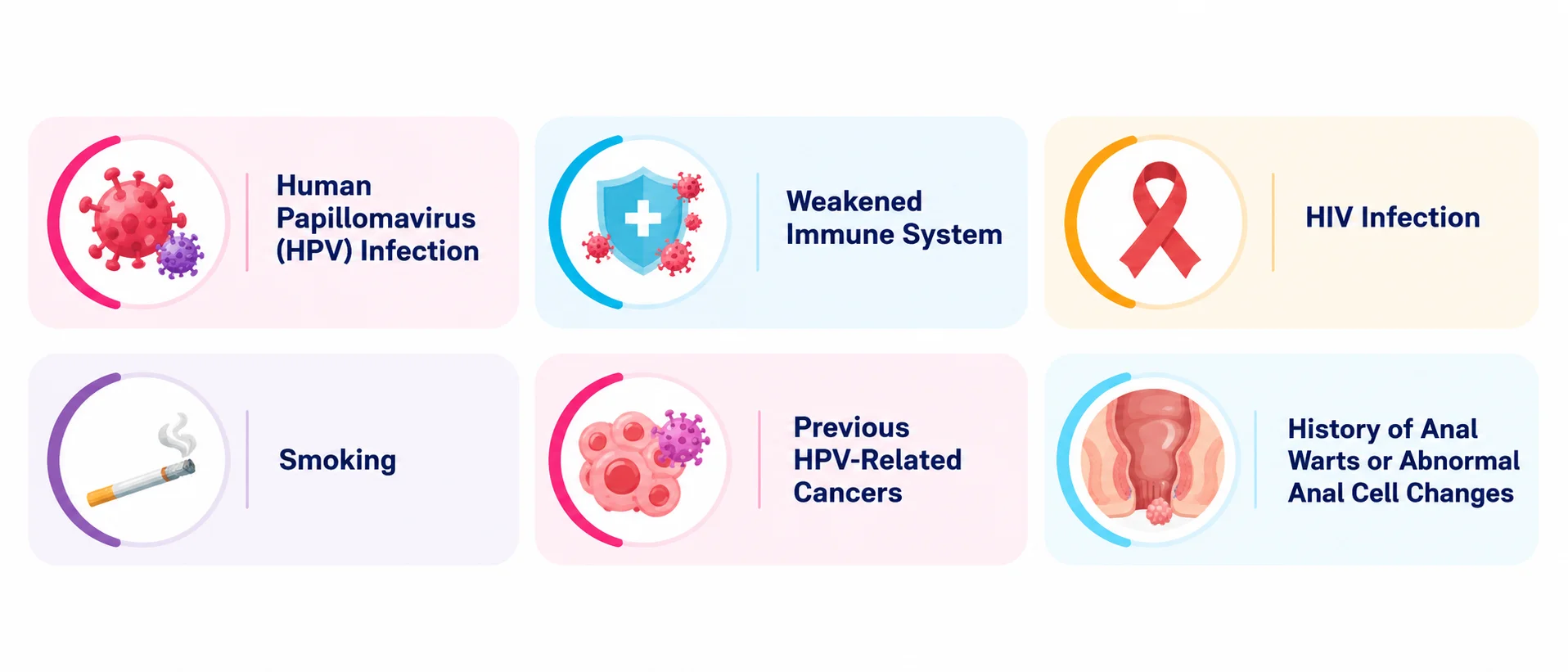
Anal cancer does not have one single cause. It usually develops due to changes in the cells of the anal region, with certain infections, lifestyle factors, and health conditions increasing the risk. In many cases, having a risk factor does not necessarily mean a person will develop anal cancer.
- Human Papillomavirus (HPV) Infection: Persistent infection with certain high-risk types of HPV is one of the most important risk factors for anal cancer. HPV can cause changes in the cells lining the anal canal, which may become abnormal over time.
- Weakened Immune System: A weakened immune system can make it harder for the body to clear HPV infections and control abnormal cell changes. People with conditions or treatments that suppress immunity may therefore have a higher risk.
- HIV Infection: People living with HIV may have an increased risk of anal cancer, partly because HIV can weaken the immune system and make persistent HPV infection more likely.
- Smoking: Tobacco use can affect the body’s immune response and has been associated with an increased risk of anal cancer. The risk may be higher with long-term smoking.
- Previous HPV-Related Cancers: Having certain HPV-related cancers, such as cervical, vaginal or vulvar cancer, may increase the risk of developing anal cancer because of the shared association with persistent HPV infection.
- History of Anal Warts or Abnormal Anal Cell Changes: Anal warts and conditions involving abnormal changes in anal cells are often associated with HPV infection. People with these conditions may have a higher risk of developing anal cancer and may require appropriate medical evaluation.
What are the Symptoms of Anal Cancer?
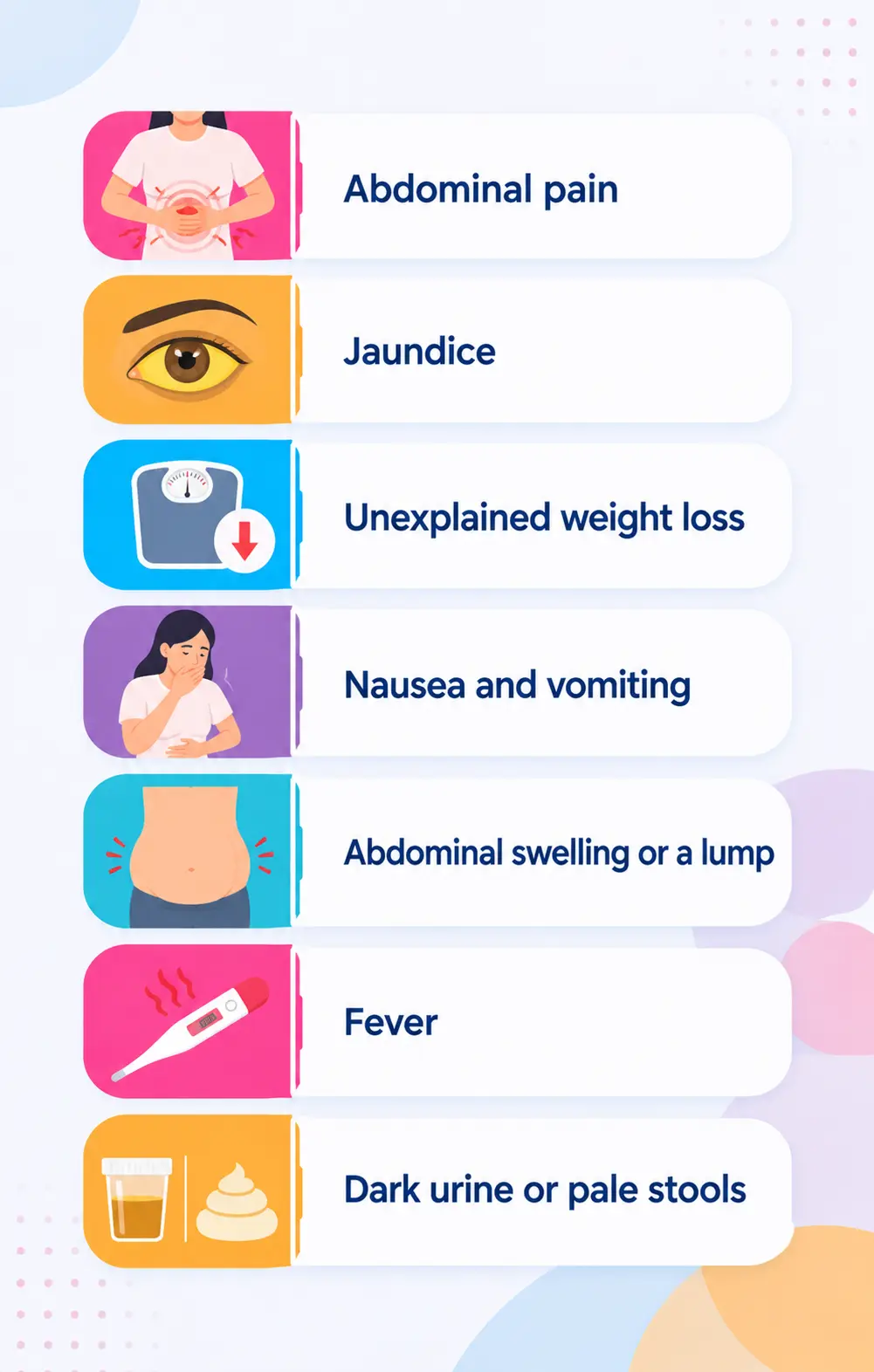
The symptoms of anal cancer can vary depending on the location and progression of the cancer. Some symptoms may also resemble common conditions such as piles or anal infections, so persistent or unusual changes should be evaluated by a doctor.
- Rectal or Anal Bleeding: Blood may appear on toilet paper, in the stool, or as bleeding from the anus. Persistent or unexplained bleeding should not be ignored.
- Anal Pain or Discomfort: Some people may experience ongoing pain, soreness, pressure, or discomfort around the anus, particularly while sitting or passing stool.
- Lump or Growth Near the Anus: A lump, swelling, or unusual growth around the anal opening may be a noticeable sign and should be medically examined.
- Itching Around the Anus: Persistent itching or irritation around the anal area may occur and can sometimes be accompanied by discomfort or skin changes.
- Changes in Bowel Habits: Changes such as increased frequency, constipation, diarrhoea, or a change in the shape of stools may occur in some people.
- Anal Discharge: Unusual mucus or other discharge from the anus can sometimes occur and should be assessed if it is persistent or unexplained.
- Feeling of Incomplete Bowel Emptying: Some people may feel that they still need to pass stool even after having a bowel movement.
- Swollen Lymph Nodes: Swelling or a lump in the groin area may occur if nearby lymph nodes become involved.
Why Choose Healius For Anal Cancer Treatment in Bangalore?
Why Choose Healius? | How It Helps |
Experienced Oncology Team | Get care from experienced oncology specialists who assess your condition and recommend a treatment plan based on the type and stage of anal cancer. |
Personalised Treatment Plans | Every patient is different. The treatment approach is planned according to your diagnosis, cancer stage, overall health, and individual needs. |
Multidisciplinary Cancer Care | Anal cancer treatment may involve multiple specialties. Our multidisciplinary approach helps bring together the expertise needed to plan and coordinate your care. |
Advanced Diagnostic Support | Accurate diagnosis and staging are important for planning treatment. Appropriate imaging, biopsy, pathology, and other diagnostic services help doctors understand the cancer better. |
Comprehensive Cancer Treatment | From chemotherapy and radiation therapy to surgery when required, patients can receive coordinated care based on their treatment needs. |
Ongoing Follow-Up and Support | Cancer care continues beyond the initial treatment. Regular follow-ups help doctors monitor your response to treatment, manage side effects, and check for any signs of recurrence. |
What Does Healius Offer Under Anal Cancer Treatment?
1. Anal Cancer Treatment Without Surgery
- Chemoradiation as a primary approach: For many anal cancers, chemotherapy combined with radiation may be used as the initial treatment instead of immediate surgery.
- Cancer control while preserving function: This approach aims to treat the cancer while avoiding major surgery when clinically appropriate.
- Personalised treatment planning: The chemotherapy and radiation schedule is planned based on the cancer’s characteristics and the patient’s overall health.
- Response monitoring: Patients are followed after treatment to assess how the cancer has responded and determine whether further intervention is required.
- Surgery when necessary: If cancer remains or returns after initial treatment, surgery may be considered based on the individual case.
2. Advanced Radiation Therapy for Anal Cancer
- Targeted radiation delivery: Radiation therapy focuses high-energy radiation on the cancerous area while aiming to limit exposure to surrounding healthy tissues.
- Image-guided treatment: Imaging can help the radiation team accurately identify the treatment area and position the patient appropriately.
- Planned according to tumour location: The radiation plan is customised based on the size, location, and extent of the tumour.
- Combined with chemotherapy: Radiation may be given alongside chemotherapy as part of chemoradiation for suitable patients.
- Regular treatment monitoring: The oncology team monitors the patient’s response and manages treatment-related side effects throughout the course.
3. Chemotherapy for Anal Cancer
- Used alongside radiation: Chemotherapy may be combined with radiation as part of the primary treatment for many patients.
- Systemic cancer treatment: Unlike local treatments, chemotherapy medicines travel through the bloodstream and can act on cancer cells throughout the body.
- Planned according to individual needs: The medicines, dosage, and treatment schedule depend on factors such as cancer stage and overall health.
- May be used for advanced disease: Chemotherapy can also have a role when anal cancer has spread or returned, depending on the clinical situation.
- Side-effect management: The oncology team monitors patients during treatment and provides appropriate support to manage side effects.
4. Surgery for Anal Cancer
- Considered in selected cases: Surgery may be recommended when cancer persists after initial treatment or comes back.
- Procedure depends on the cancer: The type of surgery depends on the tumour’s location, size, extent, and response to previous treatment.
- Local excision in suitable cases: Some small, localised tumours may be considered for removal through local surgical procedures.
- More extensive surgery when required: Advanced or persistent disease may require procedures such as abdominoperineal resection (APR).
- Individualised surgical planning: The surgical team evaluates the potential benefits, risks, and impact on bowel function before recommending a procedure.
5. Treatment for Recurrent or Advanced Anal Cancer
- Detailed reassessment: When anal cancer returns or spreads, doctors reassess the cancer using appropriate examinations and imaging.
- Systemic treatment: Chemotherapy or other systemic treatments may be considered depending on the disease and previous treatments.
- Immunotherapy in appropriate cases: Certain patients with advanced disease may be considered for immunotherapy based on clinical and tumour-related factors.
- Radiation or surgery when suitable: Selected patients may benefit from additional radiation or surgery depending on where the cancer has returned.
- Supportive cancer care: Symptom management and supportive care remain an important part of treatment, particularly when the disease is advanced.
FAQ
Frequently Asked Questions
Is anal cancer curable?
Anal cancer can be curable, particularly when it is detected and treated at an earlier stage. The outlook depends on factors such as the extent of the disease, lymph node involvement, and how well it responds to treatment.
What happens if anal cancer is left untreated?
Without appropriate medical care, anal cancer can continue to grow and may eventually spread to nearby tissues or other parts of the body. Seeking timely evaluation can help determine the cause of persistent anal changes and allow treatment to begin when needed.
Can HPV vaccination reduce the risk of anal cancer?
HPV vaccination can help protect against the HPV types associated with several cancers, including anal cancer. Vaccination is most effective when given before exposure to HPV, although eligibility and recommendations can vary by age and individual circumstances.
How is anal cancer different from piles?
Piles are swollen blood vessels around the anus or lower rectum, while anal cancer involves abnormal cancerous cell growth. Because some symptoms can overlap, persistent symptoms should be evaluated by a doctor rather than assumed to be piles.
What tests are needed before starting anal cancer treatment?
Doctors may recommend examinations, biopsy, imaging, and other investigations to confirm the diagnosis and understand the extent of the disease. The tests required can vary depending on the individual case.
Where can I get anal cancer treatment in Bangalore?
Patients looking for anal cancer treatment in Bangalore can consult an experienced oncology team for evaluation and personalised care. The appropriate treatment plan depends on the individual’s diagnosis, disease extent, and overall health.
