

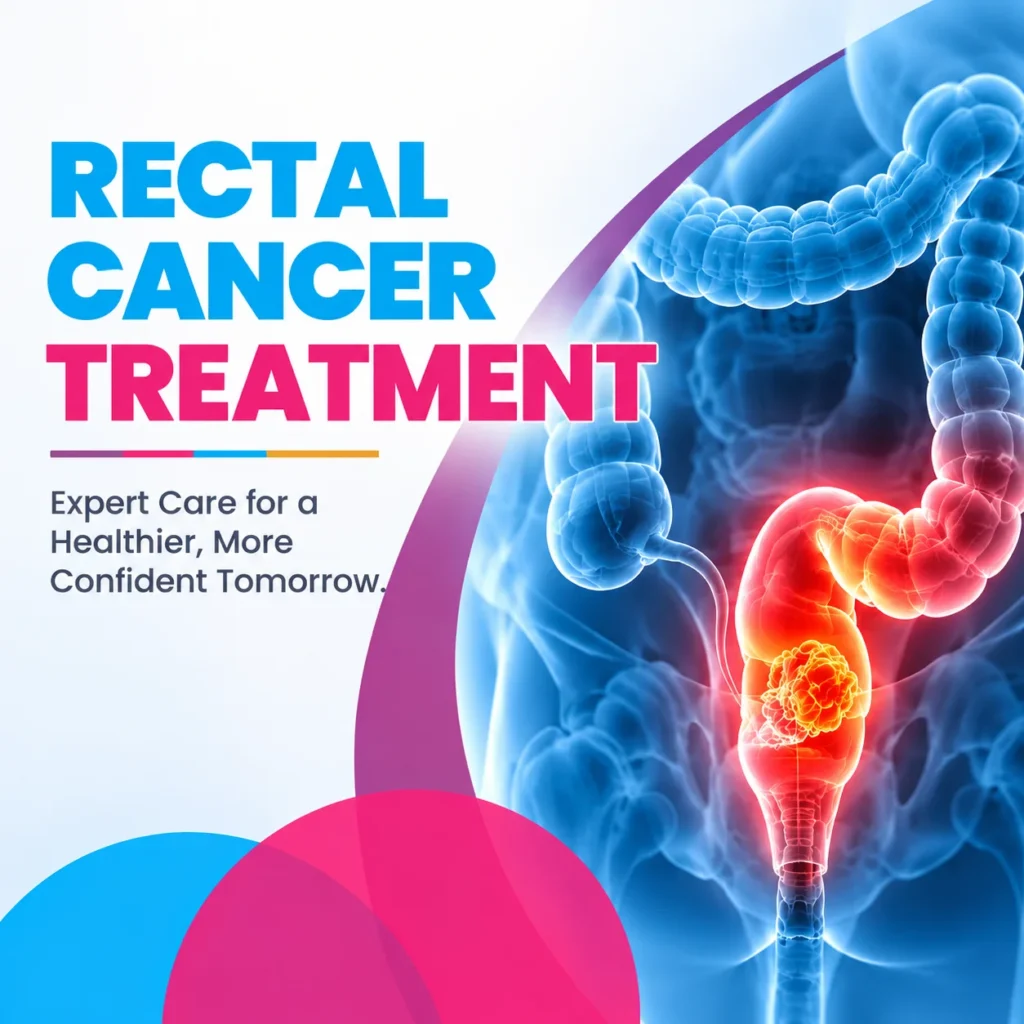
What is Rectal Cancer?
Your rectum plays an important role in your digestive system, but you may not think much about it until something feels wrong. Rectal cancer occurs when cells in the rectum begin to grow abnormally and uncontrollably, eventually forming a cancerous tumour. It is a form of colorectal cancer and can affect people in different ways depending on where the tumour develops and how far the disease has progressed.
A rectal cancer diagnosis does not mean that treatment options are limited. Modern cancer care offers several approaches depending on the individual’s condition. Treatment may include surgery, chemotherapy, radiation therapy, targeted medicines, immunotherapy, or a combination of treatments. Doctors consider factors such as the stage and location of the cancer, overall health, and tumour characteristics before recommending a treatment plan. Early diagnosis and timely treatment can make a significant difference in managing rectal cancer.
What Causes Rectal Cancer?
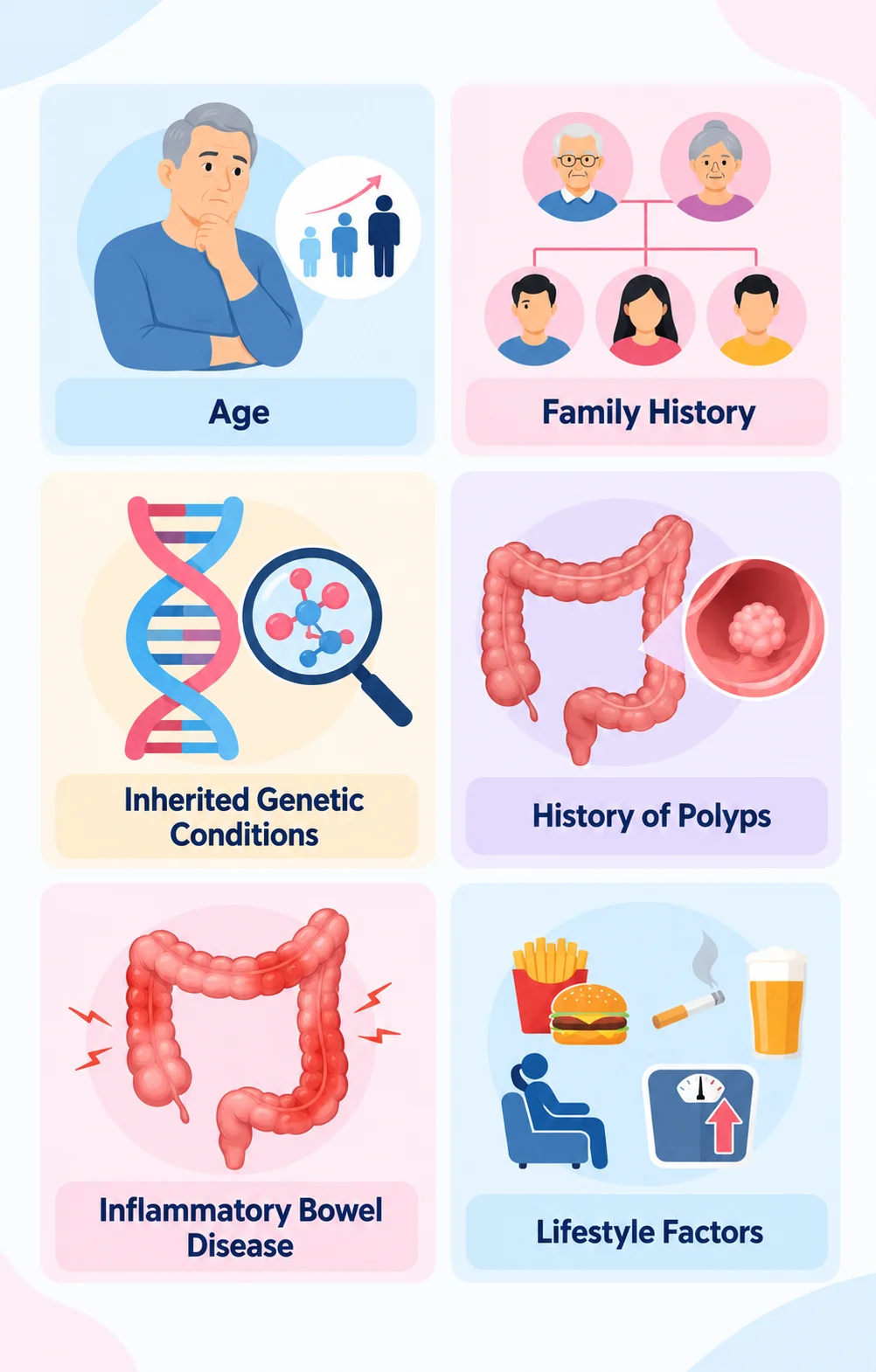
Rectal cancer can develop due to a combination of genetic, lifestyle, and environmental factors. While there is no single cause, certain conditions and habits can increase the likelihood of abnormal cells developing in the rectum.
- Age: The risk of rectal cancer generally increases with age, although it can also occur in younger adults.
- Family History: Having a close relative with colorectal or rectal cancer can increase your risk, particularly if they were diagnosed at a younger age.
- Inherited Genetic Conditions: Genetic conditions such as Lynch syndrome and familial adenomatous polyposis (FAP) can increase the risk of developing rectal cancer.
- History of Polyps: Certain colorectal polyps can develop into cancer over time, particularly when they are large or contain abnormal cells.
- Inflammatory Bowel Disease: Long-term conditions such as ulcerative colitis and Crohn’s disease can increase the risk of colorectal cancers.
- Lifestyle Factors: Smoking, heavy alcohol consumption, physical inactivity, obesity, and a diet high in processed or red meat may contribute to an increased risk of rectal cancer.
What Are the Symptoms of Rectal Cancer?
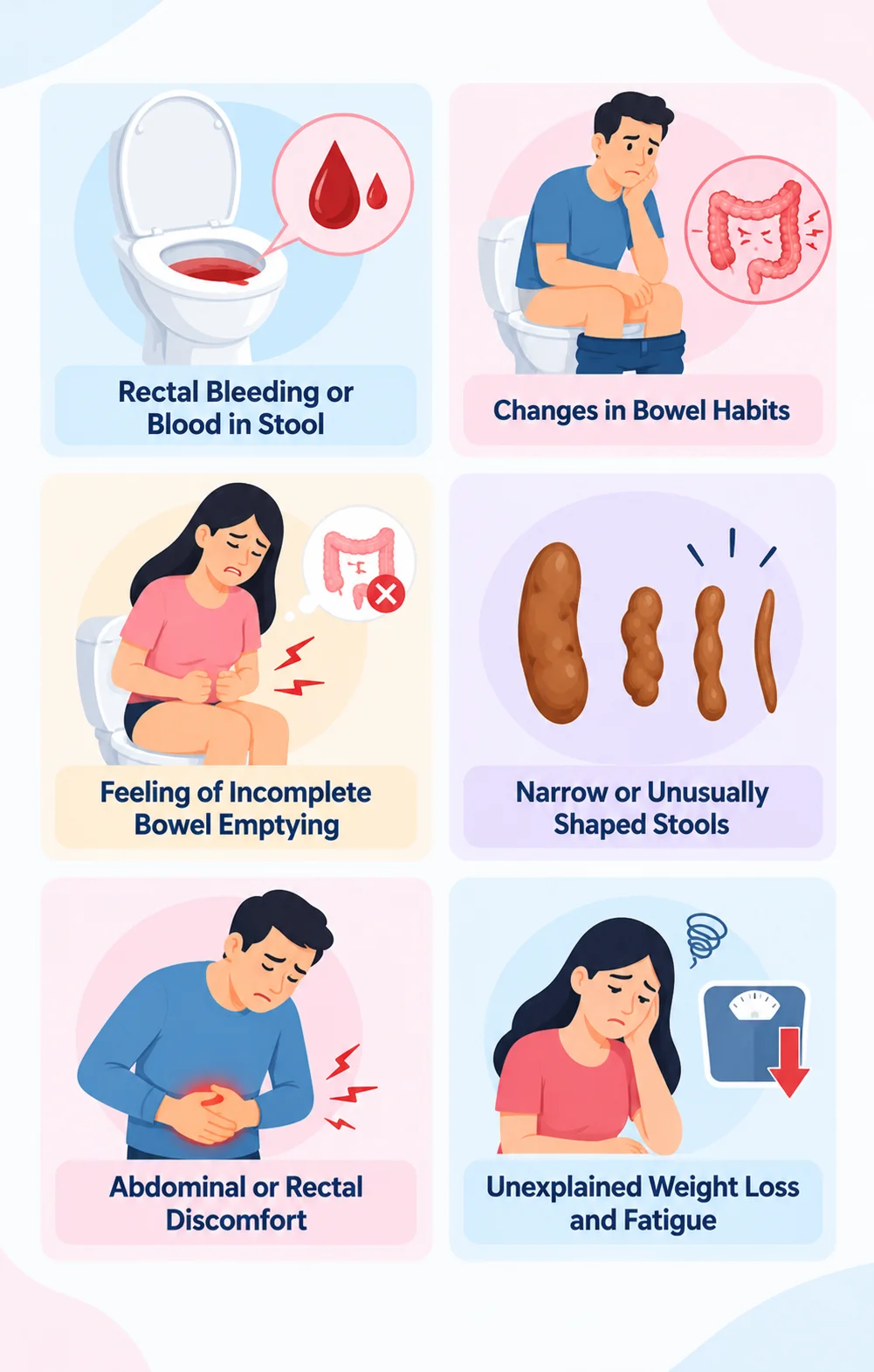
The symptoms of rectal cancer can vary depending on the size and location of the tumour and how advanced the cancer is. Some symptoms may look like common digestive problems, which is why persistent or unusual changes in bowel habits should not be ignored.
- Rectal Bleeding or Blood in Stool: Blood in or on the stool is one of the common signs of rectal cancer. The blood may appear bright red or darker depending on where the bleeding occurs.
- Changes in Bowel Habits: Persistent changes such as diarrhoea, constipation, or alternating between the two may indicate a problem that needs medical evaluation.
- Feeling of Incomplete Bowel Emptying: You may frequently feel that your bowel has not emptied completely even after passing stool. This sensation can occur when a tumour affects the rectum.
- Narrow or Unusually Shaped Stools: A tumour in the rectum can sometimes narrow the passage, resulting in stools that appear thinner than usual.
- Abdominal or Rectal Discomfort: Persistent abdominal cramps, bloating, rectal pain, or discomfort may occur as rectal cancer progresses.
- Unexplained Weight Loss and Fatigue: Losing weight without trying or experiencing persistent tiredness and weakness can sometimes occur due to cancer or blood loss associated with the condition.
How Is Rectal Cancer Diagnosed?
Diagnosing rectal cancer involves more than a single test. Doctors use a combination of examinations, imaging tests, biopsies, and laboratory investigations to confirm whether cancer is present and understand its location and stage. The diagnosis usually follows these six important steps:
- Medical History and Physical Examination
- The doctor asks about symptoms such as rectal bleeding, changes in bowel habits, abdominal discomfort, and unexplained weight loss.
- Your personal and family history of colorectal cancer, polyps, or inherited conditions may be reviewed.
- The doctor may ask about your diet, lifestyle, previous medical conditions, and medications.
- A digital rectal examination (DRE) may be performed to check for an abnormal growth or unusual area inside the rectum.
- Colonoscopy
- A colonoscopy allows the doctor to examine the lining of the rectum and entire colon using a thin, flexible camera.
- It can help identify abnormal growths, polyps, bleeding, or other changes.
- If a suspicious area is found, tissue samples can be collected during the same procedure.
- Colonoscopy can also help identify other abnormalities elsewhere in the colon.
- Biopsy
- A biopsy involves removing a small sample of tissue from a suspicious area for laboratory examination.
- A pathologist examines the sample under a microscope to look for cancerous cells.
- The biopsy can confirm whether the abnormal growth is cancerous.
- Additional testing on the tissue may help identify specific characteristics of the tumour.
- Imaging Tests
- Imaging helps doctors understand the size and location of the tumour.
- MRI scans are commonly used to assess the rectum and surrounding tissues.
- CT scans may be used to check whether cancer has spread to other parts of the body.
- In selected cases, additional imaging such as PET scans may be recommended based on the individual’s condition.
- Blood and Molecular Tests
- Blood tests can provide information about your overall health and help assess whether you are fit for treatment.
- A complete blood count (CBC) may help identify anaemia associated with blood loss.
- Doctors may check tumour markers such as CEA to support treatment planning and follow-up.
- Molecular and genetic tests may identify changes in the tumour that can help guide targeted therapy or immunotherapy.
- Staging the Cancer
- Once rectal cancer is confirmed, doctors determine its stage to understand how far it has progressed.
- Staging considers the size and depth of the tumour and whether nearby lymph nodes are involved.
- Doctors also check whether the cancer has spread to distant organs such as the liver or lungs.
- The stage helps the multidisciplinary cancer team decide whether surgery, chemotherapy, radiation therapy, immunotherapy, targeted therapy, or a combination is appropriate.
What Are the Stages of Rectal Cancer?
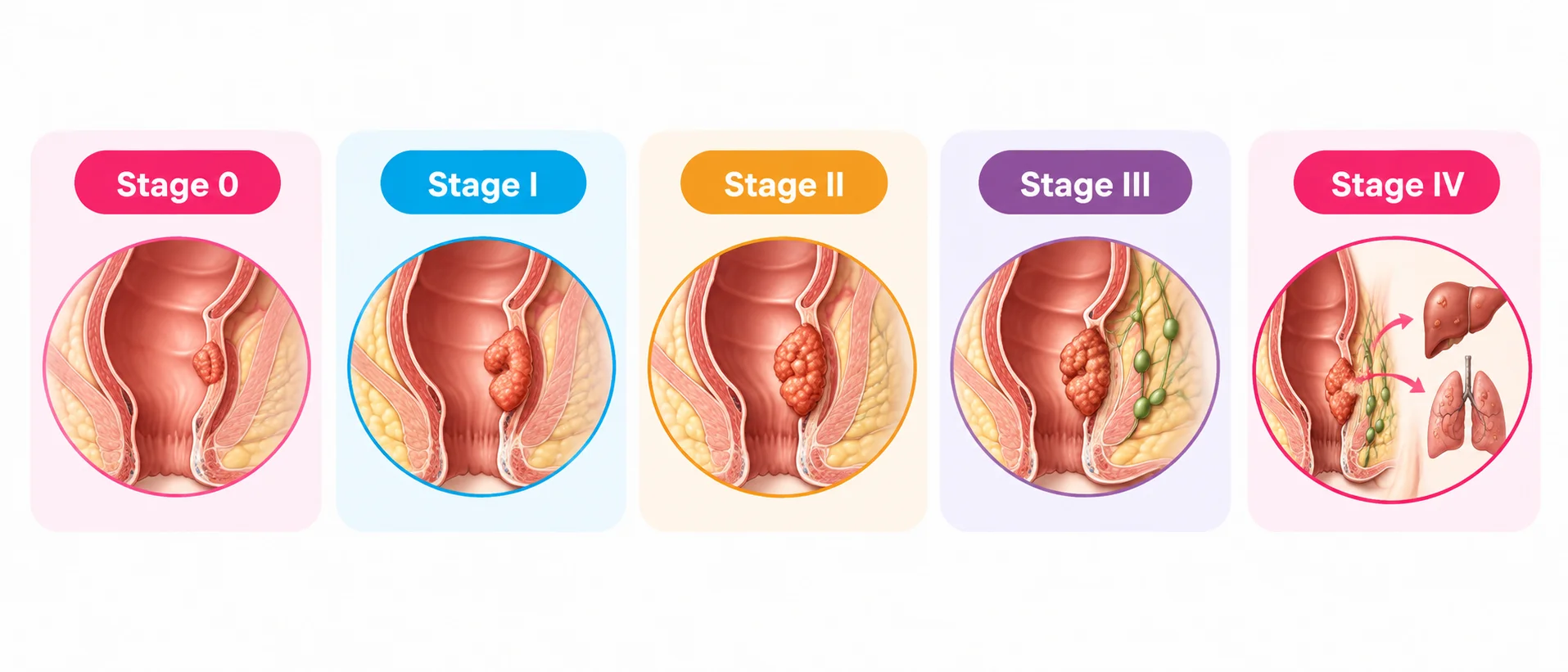
Rectal cancer is divided into different stages based on how deeply the cancer has grown into the rectal wall, whether nearby lymph nodes are involved, and whether it has spread to other parts of the body. Knowing the stage helps doctors understand the extent of the disease and create an appropriate treatment plan.
Stage 0
- Abnormal or cancerous cells are present only in the innermost lining of the rectum.
- The cancer has not grown into deeper layers of the rectal wall.
- It has not spread to nearby lymph nodes or distant organs.
- Treatment may often involve removing the abnormal area, depending on its size and location.
Stage I
- The cancer has grown beyond the innermost lining and into deeper layers of the rectal wall.
- It has not spread to nearby lymph nodes or distant organs.
- Surgery is often an important part of treatment for Stage I rectal cancer.
- Additional treatment may be considered depending on the tumour’s characteristics.
Stage II
- The cancer has grown through the muscular layers of the rectal wall and may extend into nearby tissues.
- It has not spread to nearby lymph nodes.
- Stage II is generally divided into IIA, IIB, and IIC based on how far the tumour has grown.
- Treatment may involve a combination of chemotherapy, radiation therapy, and surgery depending on the individual case.
Stage III
- The cancer has spread to one or more nearby lymph nodes or surrounding tissues.
- It may be classified into IIIA, IIIB, or IIIC, depending on the extent of spread.
- Treatment commonly involves a combination of chemotherapy, radiation therapy, and surgery.
- The specific treatment sequence depends on the tumour location, stage, and overall health.
Stage IV
- The cancer has spread to distant parts of the body, such as the liver or lungs.
- It may also have spread to other distant organs or tissues.
- Treatment focuses on controlling the cancer, relieving symptoms, and improving quality of life.
- Depending on the cancer’s characteristics, treatment may include chemotherapy, targeted therapy, immunotherapy, radiation therapy, surgery, or combinations of these approaches.
What Does Healius Offer For Rectal Cancer Treatment in Bangalore?
Rectal cancer treatment is planned based on factors such as the stage of cancer, tumour location, overall health, and specific characteristics of the tumour. At Healius, treatment may involve one or more approaches, with the aim of controlling the cancer while preserving normal bowel function whenever appropriate.
1. Immunotherapy for Rectal Cancer
- Immunotherapy uses medicines that help the immune system recognise and attack cancer cells.
- It may be considered for certain rectal cancers with specific molecular characteristics, such as mismatch repair deficiency (dMMR) or microsatellite instability (MSI-H).
- The suitability of immunotherapy depends on the tumour’s test results, stage, and overall condition.
- It may be used as part of an individualised treatment plan under the guidance of the oncology team.
2. Rectal Cancer Treatment Without Surgery
- In selected patients, rectal cancer may be managed with treatments that do not immediately involve surgery.
- Chemoradiotherapy, chemotherapy, radiation therapy, targeted therapy, or immunotherapy may be considered depending on the cancer.
- Some patients who have an excellent response to treatment may be evaluated through a structured watch-and-wait approach instead of immediate surgery.
- This approach requires careful patient selection and regular follow-up to monitor for any return or progression of the cancer.
3. Radiation Therapy for Rectal Cancer
- Radiation therapy uses high-energy radiation to destroy cancer cells or prevent them from growing.
- It may be given before surgery to shrink the tumour and reduce the risk of the cancer returning locally.
- Radiation can also be combined with chemotherapy as part of chemoradiotherapy.
- The treatment schedule is personalised according to the tumour’s location, stage, and response to treatment.
4. Total Neoadjuvant Treatment for Rectal Cancer
- Total neoadjuvant treatment (TNT) gives the major cancer treatments, such as chemotherapy and radiation or chemoradiotherapy, before surgery.
- It is commonly considered for selected locally advanced rectal cancers.
- Giving systemic treatment earlier may help address microscopic cancer cells that could have spread beyond the primary tumour.
- After completing the planned treatment, the patient is reassessed to determine the next appropriate step, which may include surgery or, in carefully selected cases, a watch-and-wait approach.
5. Chemoradiotherapy for Rectal Cancer
- Chemoradiotherapy combines chemotherapy with radiation therapy to treat rectal cancer.
- Chemotherapy can make cancer cells more sensitive to radiation while also helping control cancer cells elsewhere in the body.
- It may be recommended before surgery for certain locally advanced rectal cancers.
- The treatment plan and duration depend on the cancer stage, tumour characteristics, overall health, and response to treatment.
6. Surgery for Rectal Cancer
- Surgery may be recommended when the tumour can be safely removed and is an appropriate part of the treatment plan.
- The type of surgery depends on the tumour’s location, size, stage, and its relationship with nearby structures.
- Procedures may include local excision, low anterior resection, or abdominoperineal resection in selected cases.
- Whenever clinically appropriate, the treatment team considers approaches that aim to achieve effective cancer control while preserving bowel function.
Why Choose Healius For Rectal Cancer Treatment?
Why Choose Healius? | What You Can Expect |
Experienced Cancer Specialists | Expert evaluation and treatment from experienced oncology specialists. |
Personalised Treatment Plans | Treatment tailored to your cancer stage, tumour characteristics, and overall health. |
Multidisciplinary Cancer Care | Specialists work together to provide coordinated cancer care. |
Comprehensive Treatment Options | Access to surgery, chemotherapy, radiation, immunotherapy, and other treatments when appropriate. |
Advanced Diagnostic Support | Accurate diagnosis and staging to guide the right treatment approach. |
Follow-Up Care | Ongoing monitoring to support recovery and detect recurrence early. |
FAQ
Frequently Asked Questions
Is rectal cancer curable?
Rectal cancer can be treated successfully, especially when diagnosed at an early stage. Treatment outcomes depend on factors such as the cancer stage, tumour characteristics, and overall health.
Can rectal cancer be treated without surgery?
In selected cases, rectal cancer treatment without immediate surgery may be possible. Patients who have an excellent response to treatment may sometimes be considered for a carefully monitored watch-and-wait approach.
Where can I get rectal cancer treatment in Bangalore?
Healius offers comprehensive rectal cancer treatment in Bangalore, with treatment plans tailored to the cancer stage, tumour characteristics, and overall health. Depending on the individual case, treatment may include surgery, chemotherapy, radiation therapy, chemoradiotherapy, immunotherapy, or targeted therapy.
How is rectal cancer diagnosed?
Rectal cancer may be diagnosed using a combination of physical examination, colonoscopy, biopsy, imaging scans, and laboratory tests. Additional molecular testing may also be recommended for treatment planning.
How long does rectal cancer treatment take?
The duration of rectal cancer treatment varies depending on the stage and treatment plan. It may involve several weeks or months of chemotherapy, radiation therapy, surgery, or a combination of treatments.
Can rectal cancer spread to other parts of the body?
Yes, rectal cancer can spread beyond the rectum, particularly when it is diagnosed at an advanced stage. The liver and lungs are among the organs that may be affected by metastatic colorectal cancer.
