


What is Kidney Cancer?
A brain tumor occurs when abnormal cells grow within the brain or in the tissues surrounding it. It may be benign or malignant, and its effects can depend on where it develops. Even a non-cancerous tumor can cause problems if it puts pressure on important areas of the brain. Some people may experience headaches, seizures, nausea, changes in vision, difficulty speaking, weakness, or problems with coordination. Because symptoms and tumor behaviour can vary widely, timely diagnosis is important for understanding what kind of treatment is needed.
At Healius, brain tumor treatment begins with an evaluation of the patient and the tumor. Our team considers factors such as the tumor type, grade, location, size, symptoms, and health before planning care. Treatment may include surgery, radiation therapy, chemotherapy, or a combination of approaches, depending on patient needs. With a personalised approach, we aim to support patients through diagnosis, treatment, recovery, and follow-up.
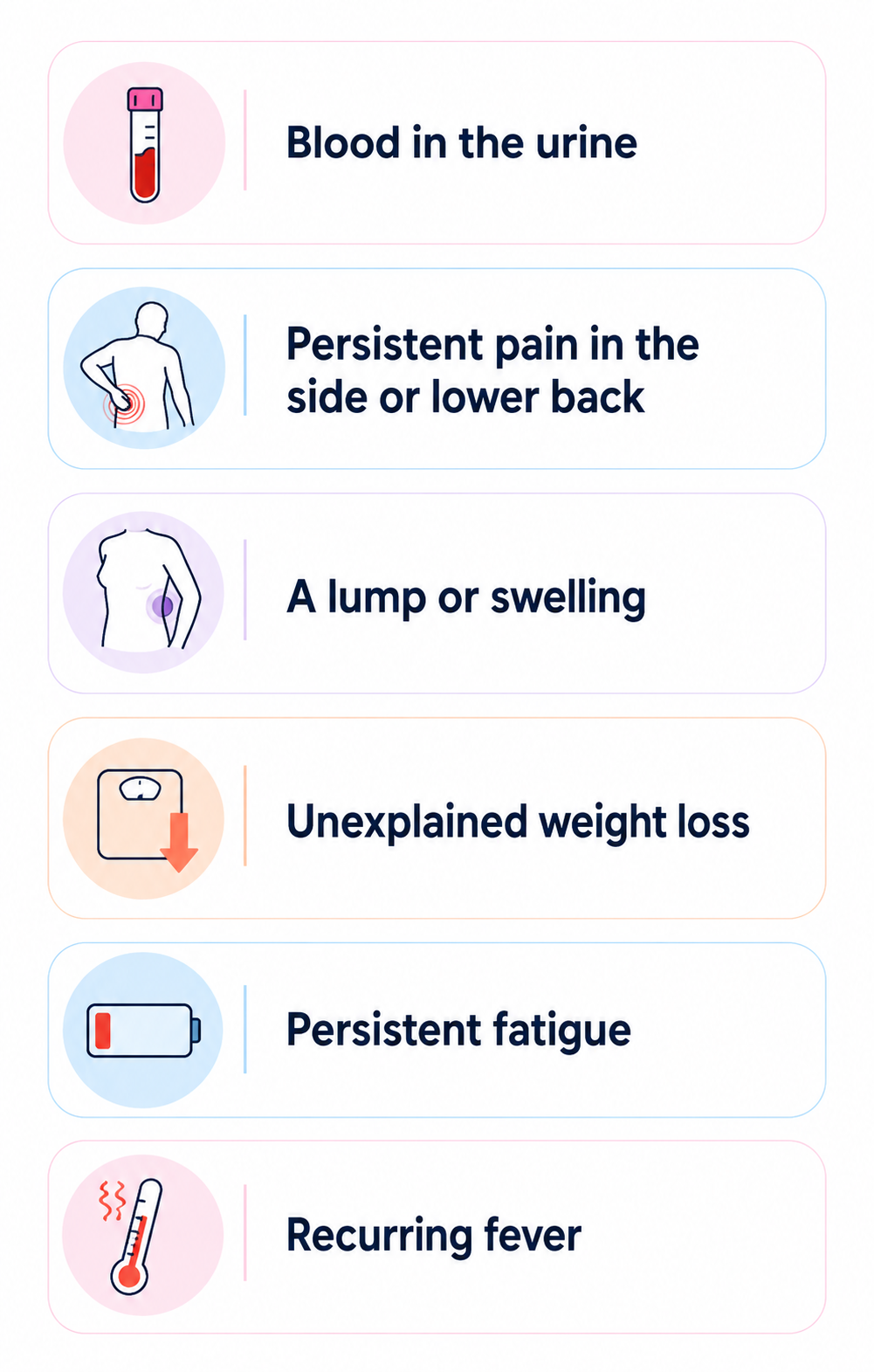
What Are The Symptoms Of Kidney Cancer?
Kidney cancer may not always cause noticeable symptoms in its early stages. As the condition progresses, certain changes may become more apparent and should be evaluated by a doctor.
- Blood in the urine: Also known as haematuria, blood in the urine may cause it to appear pink, red or brown, and in some cases, the blood may only be detected through laboratory testing.
- Persistent pain in the side or lower back: Ongoing discomfort or pain around the side of the body or lower back, particularly on one side, without an obvious injury may require further evaluation.
- A lump or swelling: Some individuals may notice or develop a lump, swelling or unusual fullness around the side, abdomen or lower back as the tumour grows.
- Unexplained weight loss: Losing a noticeable amount of weight without making changes to your diet, exercise routine or lifestyle may be a symptom that should be medically assessed.
- Persistent fatigue: Feeling unusually tired, weak or exhausted despite getting adequate rest may affect daily activities and overall quality of life.
- Recurring fever: Frequent or persistent fever without an identifiable infection or other clear cause may sometimes occur in people with kidney cancer.
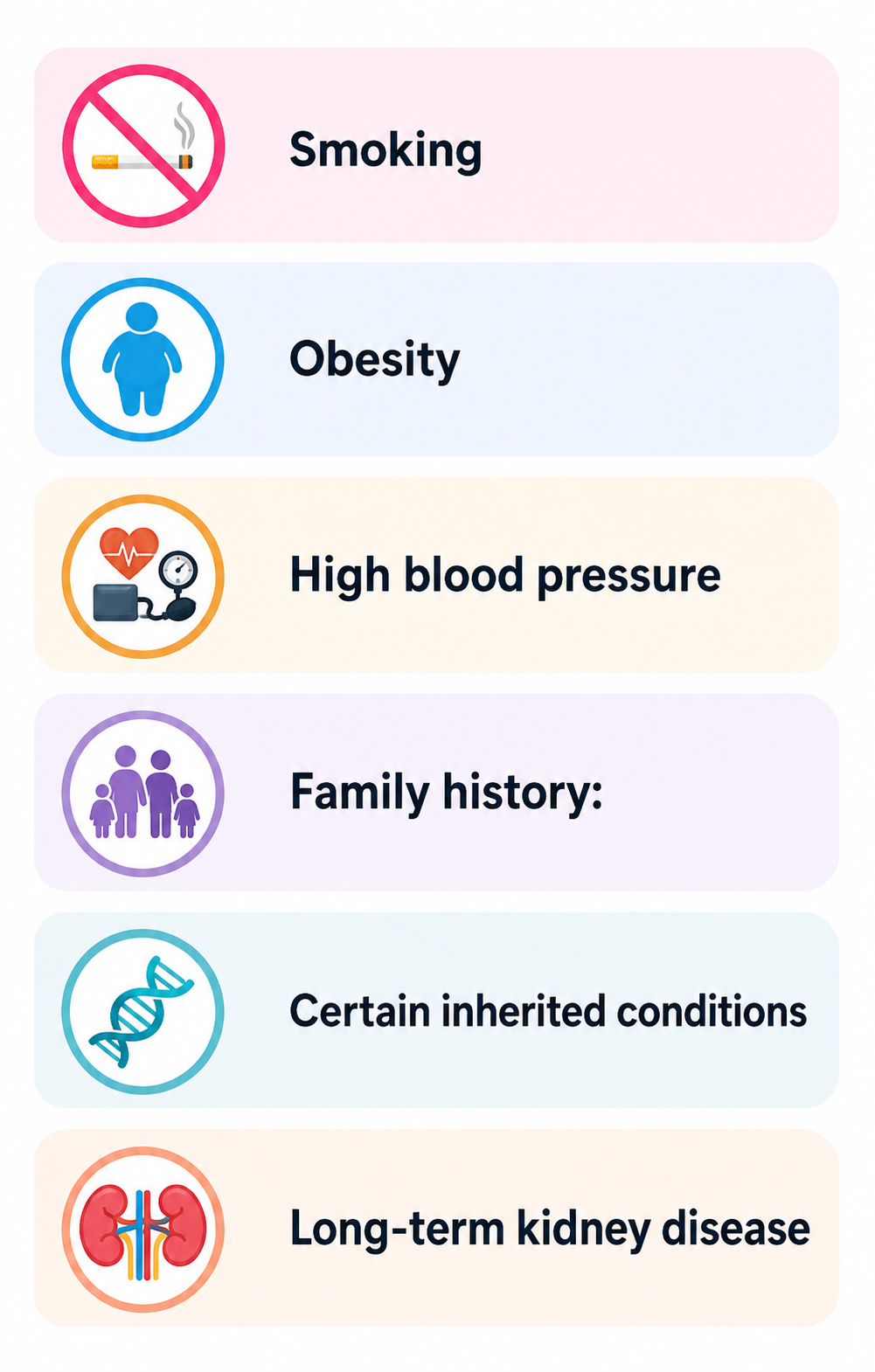
What Are The Causes of Kidney Cancer?
The exact cause of kidney cancer is not always known. However, certain factors may increase the likelihood of cells in the kidney developing abnormal changes and growing uncontrollably.
- Smoking: Tobacco use is considered a significant risk factor, as harmful chemicals can enter the bloodstream and eventually affect the kidneys as they filter waste from the body.
- Obesity: Excess body weight can lead to hormonal and metabolic changes that may increase the risk of developing kidney cancer.
- High blood pressure: Long-term hypertension has been associated with a higher risk of kidney cancer, although the exact relationship can vary between individuals.
- Family history: Having close family members with kidney cancer may increase the risk, particularly when certain inherited genetic changes are involved.
- Certain inherited conditions: Genetic conditions, such as von Hippel-Lindau disease, can increase the likelihood of developing specific types of kidney cancer.
- Long-term kidney disease: People with chronic kidney disease or those undergoing long-term dialysis may have a higher risk of developing kidney cancer.
What Are The Options Under Kidney Cancer Treatment in Bangalore?
Kidney cancer treatment depends on several factors, including the type and stage of the cancer, the size and location of the tumour, and the patient’s overall health. In Bangalore, treatment options may involve surgery, minimally invasive procedures and systemic therapies, with the approach tailored to the individual diagnosis.
- Partial nephrectomy: This procedure involves removing the tumour while preserving as much of the healthy kidney as possible. It may be recommended for suitable patients with smaller or appropriately located tumours.
- Radical nephrectomy: In cases where the tumour is large or has extensively affected the kidney, removing the entire affected kidney may be recommended. The procedure may be performed through open, laparoscopic or other minimally invasive surgical approaches, depending on the individual case.
- Robotic and minimally invasive surgery: Certain kidney cancer surgeries can be performed using laparoscopic or robotic techniques, which may involve smaller incisions and a more precise surgical approach. The suitability of these techniques depends on the size, location and extent of the tumour.
- Ablation therapy: For selected patients, particularly those with smaller tumours or those who may not be suitable candidates for surgery, ablation techniques may be considered. These procedures use heat or cold to destroy cancer cells while minimising the impact on surrounding kidney tissue.
- Immunotherapy: Immunotherapy uses medicines that help the body’s immune system recognise and fight cancer cells. It may be used for certain advanced or recurrent kidney cancers, either alone or in combination with other treatments.
- Targeted therapy: Targeted therapy involves medicines that interfere with specific pathways or proteins that support the growth and spread of cancer cells. It may be recommended based on the type, stage and characteristics of kidney cancer.
How is Brain Tumor Treatment Diagnosed?
1. Medical History and Physical Examination
- Understanding symptoms: The doctor discusses symptoms such as blood in the urine, persistent side or back pain, unexplained weight loss and fatigue.
- Reviewing medical history: Previous illnesses, kidney-related conditions and other health concerns are assessed to understand the patient’s overall health.
- Checking family history: A family history of kidney cancer or inherited conditions may be considered to identify possible genetic risk factors.
- Physical examination: The doctor may check for signs such as swelling, tenderness or an unusual mass in the abdominal or kidney area.
2. Blood and Urine Tests
- Urine analysis: A urine test can help detect blood and other abnormalities that may indicate an underlying kidney-related condition.
- Blood tests: These tests provide information about the patient’s overall health and can identify certain abnormalities that require further evaluation.
- Kidney function assessment: Tests such as creatinine measurements help assess how well the kidneys are functioning.
- Additional laboratory tests: Further tests may be recommended based on the patient’s symptoms, medical history and initial findings.
3. Imaging Tests
- Ultrasound: An ultrasound uses sound waves to create images of the kidneys and may help identify a mass or other structural abnormalities.
- CT scan: A CT scan provides detailed images that help assess the size, location and characteristics of a suspected kidney tumour.
- MRI scan: An MRI may be used when more detailed information about the tumour and surrounding structures is required.
- Checking for spread: Imaging tests can also help determine whether the cancer has extended beyond the kidney to nearby or distant areas.
4. Biopsy and Tumour Evaluation
- Tissue sample collection: In selected cases, a small sample of tissue may be collected from the suspicious area using a needle-guided procedure.
- Microscopic examination: The collected sample is examined to determine whether cancer cells are present.
- Identifying the cancer type: The evaluation can provide information about the type and characteristics of the tumour.
- Supporting treatment decisions: These findings can help specialists decide on the most appropriate treatment approach for the individual patient.
5. Cancer Staging and Treatment Planning
- Determining the stage: Doctors assess the size of the tumour and whether the cancer is limited to the kidney or has spread to other areas.
- Evaluating tumour characteristics: The type, location and extent of the tumour are considered to understand the condition more clearly.
- Assessing overall health: Kidney function, general health and other medical conditions are evaluated before treatment recommendations are made.
- Planning the next steps: Based on all diagnostic findings, the specialist can recommend a personalised treatment approach suited to the patient’s condition.
Why Choose Healius As Your Kidney Cancer Hospital in Bangalore?
Choosing the right hospital for kidney cancer care involves more than simply finding a treatment centre. At Healius, the focus is on bringing together specialist expertise, thorough evaluation and a personalised approach to help patients navigate their diagnosis and treatment journey.
Multidisciplinary Cancer Care: Kidney cancer care may require input from different specialists depending on the stage and complexity of the condition. A coordinated approach helps bring together the required expertise for more comprehensive treatment planning.
Personalised Treatment Planning: Every kidney cancer diagnosis is different, which is why treatment decisions are based on factors such as the type and stage of cancer, overall health and individual treatment requirements. The care plan is tailored to the patient’s specific condition and needs.
Experienced Oncology Specialists: Healius brings together experienced specialists to provide expert guidance throughout different stages of diagnosis and treatment. This helps ensure that patients receive care based on a detailed understanding of their condition.
Comprehensive Diagnostic Evaluation: Accurate diagnosis and staging are important for planning kidney cancer treatment. A structured evaluation involving imaging, pathology and other required assessments helps specialists understand the condition before recommending the next steps.
Access to Advanced Treatment Approaches: Depending on the diagnosis and individual treatment requirements, patients may have access to treatment approaches such as immunotherapy, targeted therapy and other oncology treatments. Surgical or radiation-based treatments may also be considered when appropriate.
Patient-Focused Supportive Care: A cancer diagnosis can be overwhelming for both patients and their families. Healius focuses on providing clear communication, medical guidance and support throughout different stages of the treatment journey.
Factors Affecting The Cost of Kidney Cancer Treatment in Bangalore
Factor | How It Can Affect the Cost |
Type and Stage of Kidney Cancer | The stage, size and spread of the cancer can influence the complexity and duration of treatment. Early-stage and advanced-stage kidney cancer may require different treatment approaches and levels of care. |
Type of Treatment Recommended | The cost can vary depending on whether the patient requires surgery, immunotherapy, targeted therapy, radiation therapy or a combination of different treatments. |
Surgical Procedure | The cost of surgery may differ based on whether a partial or radical nephrectomy is required, as well as the surgical approach recommended for the individual case. |
Diagnostic and Imaging Tests | Blood tests, urine tests, CT scans, MRI scans, biopsies and other investigations required for diagnosis and staging can contribute to the overall treatment cost. |
Medications and Systemic Therapies | The type, dosage and duration of medicines, including targeted therapy or immunotherapy, can significantly influence the overall cost of treatment. |
Duration of Treatment | Some patients may require treatment over a longer period, particularly when ongoing systemic therapy, multiple treatment cycles or regular monitoring is needed. |
Hospitalisation and Supportive Care | Hospital stay, post-treatment monitoring, pain management and supportive care services can also affect the total cost of treatment. |
Follow-Up and Monitoring | Regular consultations, imaging tests and other follow-up evaluations after treatment may add to the overall cost of kidney cancer care. |
Frequently Asked Questions
At what age is kidney cancer more common?
Kidney cancer can occur at different ages, but the risk generally increases as people get older. However, certain genetic or inherited conditions may increase the risk of developing kidney cancer at a younger age.
Can kidney cancer develop without causing symptoms?
Yes, kidney cancer may not cause noticeable symptoms during its early stages. In some cases, it may be detected incidentally during an ultrasound, CT scan or other imaging test performed for a different health concern.
Is blood in the urine always a sign of kidney cancer?
No, blood in the urine can occur due to several conditions, including infections, kidney stones and other urinary tract problems. However, it is important to consult a doctor to identify the underlying cause.
Can kidney cancer affect both kidneys?
Although kidney cancer commonly develops in one kidney, it can affect both kidneys in certain cases. Bilateral kidney tumours may be associated with specific inherited or genetic conditions.
How long does kidney cancer treatment take?
The duration of treatment can vary depending on the treatment approach and the patient’s individual condition. Surgery may involve a recovery period, while treatments such as immunotherapy or targeted therapy may continue over several treatment cycles.
How do I choose the right kidney cancer hospital?
When choosing a kidney cancer hospital, it is important to consider factors such as specialist expertise, diagnostic facilities, treatment options and access to coordinated cancer care. A comprehensive evaluation and personalised treatment planning can also play an important role in the overall care journey.
Can kidney cancer be treated without removing the entire kidney?
In certain cases, a partial nephrectomy may be performed to remove the tumour while preserving as much healthy kidney tissue as possible. The suitability of this approach depends on factors such as the size, location and characteristics of the tumour.
