
What Is Liver Cancer?
Liver cancer is a condition in which cancerous cells develop in the tissues of the liver, an important organ responsible for several essential functions in the body. Primary liver cancer begins in the liver, while secondary liver cancer occurs when cancer spreads to the liver from another organ. The symptoms can vary depending on the stage of the disease and may include abdominal discomfort, fatigue, weight loss, nausea, jaundice and changes in appetite. Early diagnosis can help doctors understand the condition and plan the next steps.
At Healius, liver cancer treatment is based on a detailed evaluation of every patient. Our specialists consider factors such as the type, size and location of the tumour, the stage of cancer and overall liver function before recommending treatment.Depending on the diagnosis, the treatment plan may include surgery, ablation, liver cancer molecular therapy, targeted procedures, systemic therapy or other appropriate treatment options, along with continued monitoring and supportive care.
What Are the Symptoms of Liver Cancer?
Liver cancer may not always cause noticeable symptoms in its early stages. However, as the condition progresses, certain changes may indicate the need for medical evaluation.
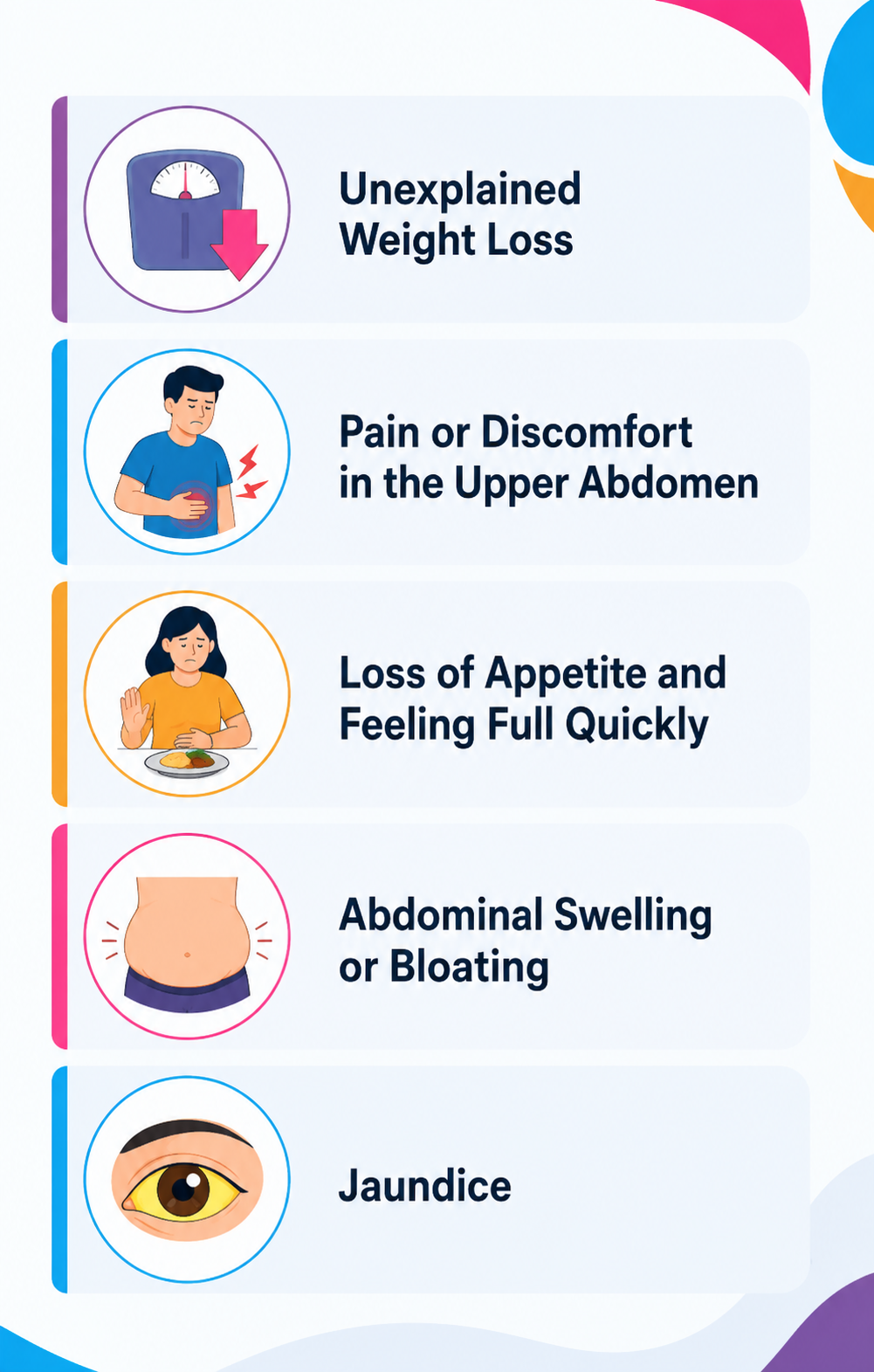
- Unexplained Weight Loss: Losing weight without changes to your diet or physical activity can be a possible symptom of liver cancer. It may also be accompanied by a reduced appetite.
- Pain or Discomfort in the Upper Abdomen: Persistent pain, pressure or discomfort in the upper right side of the abdomen may occur as the tumour affects the liver or surrounding tissues.
- Loss of Appetite and Feeling Full Quickly: Some people may experience a reduced desire to eat or feel full even after consuming a small amount of food. This can contribute to unintended weight loss over time.
- Abdominal Swelling or Bloating: The abdomen may appear swollen due to an enlarged liver or a build-up of fluid. Persistent swelling should be evaluated by a healthcare professional.
- Jaundice: Yellowing of the skin and the whites of the eyes can occur when liver function is affected. It may also be accompanied by dark urine, pale stools or itchy skin.
What Causes Liver Cancer?
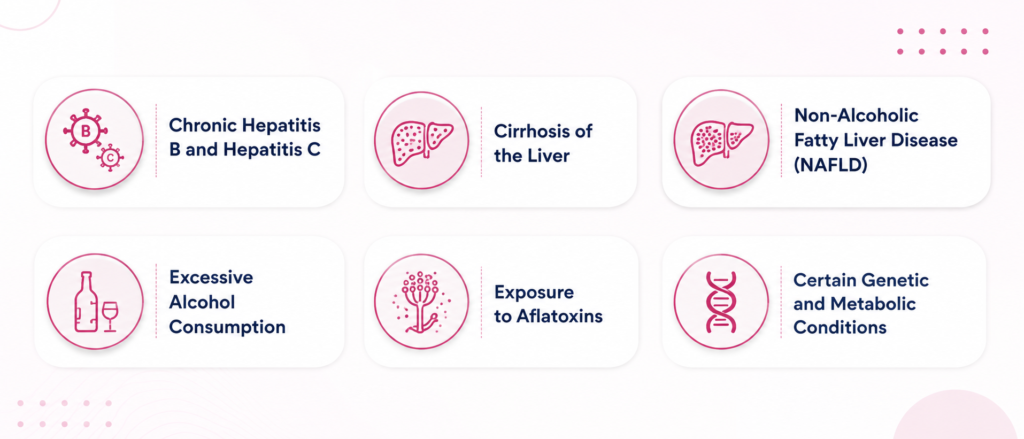
Liver cancer can develop due to long-term damage to the liver or certain underlying liver conditions. While not everyone with these risk factors develops liver cancer, understanding them can help with timely evaluation and appropriate monitoring.
Chronic Hepatitis B and Hepatitis C
Long-term infection with hepatitis B or hepatitis C can cause ongoing inflammation and damage to the liver. Over time, this may increase the risk of cirrhosis and liver cancer.
Cirrhosis of the Liver
Cirrhosis occurs when healthy liver tissue is gradually replaced by scar tissue. This long-term liver damage can significantly increase the risk of developing liver cancer.
Non-Alcoholic Fatty Liver Disease (NAFLD)
Fat accumulation in the liver can sometimes progress to inflammation, liver damage and cirrhosis. In some cases, these changes may increase the risk of liver cancer.
Excessive Alcohol Consumption
Long-term and heavy alcohol consumption can damage liver cells and lead to conditions such as alcoholic hepatitis and cirrhosis, which are associated with a higher risk of liver cancer.
Exposure to Aflatoxins
Aflatoxins are harmful substances produced by certain fungi that can contaminate improperly stored foods such as grains and nuts. Long-term exposure may increase the risk of liver cancer.
Certain Genetic and Metabolic Conditions
Conditions such as haemochromatosis and other inherited or metabolic liver disorders can cause long-term liver damage. This damage may increase the likelihood of developing liver cancer over time.
How is The Diagnosis For A Liver Cancer Treatment?
1. Medical History and Physical Examination
- Reviewing Symptoms: The doctor may ask about symptoms such as abdominal pain, unexplained weight loss, fatigue, loss of appetite or jaundice.
- nderstanding Medical History: Previous liver conditions, hepatitis infections, cirrhosis and other health concerns are reviewed.
- Assessing Risk Factors: Factors such as alcohol consumption, fatty liver disease and family history may also be considered.
- Physical Examination: The doctor may check for signs such as abdominal swelling, an enlarged liver, tenderness or jaundice.
2. Blood Tests and Liver Function Tests
- Liver Function Tests: These tests help assess liver health by measuring specific enzymes, proteins and other substances in the blood.
- Alpha-Fetoprotein (AFP) Test: AFP levels may be checked, as elevated levels can sometimes be associated with certain types of liver cancer.
- Complete Blood Count: This test provides information about blood cells and can help assess the patient’s overall health.
- Additional Blood Tests: Tests for hepatitis B, hepatitis C and other underlying liver conditions may also be recommended.
3. Imaging Tests
- If the cancer is localised and can be safe
- Ultrasound: An ultrasound may be used to detect abnormalities or masses in the liver.
- CT Scan: A CT scan can provide detailed images to assess the size, location and spread of a tumour.
- MRI Scan: MRI imaging may provide a clearer view of liver tissue and help doctors evaluate suspicious areas.
- Assessing the Extent of Cancer: Imaging can also help determine whether the cancer has affected nearby structures or spread to other parts of the body.
- ly removed, pancreatic cancer surgery may be recommended to remove the tumour and, in some cases, nearby affected tissues.
- Chemotherapy, radiation therapy or other appropriate treatments may be used before surgery, after surgery or as the primary treatment when surgery is not suitable.
4. Biopsy and Further Diagnostic Evaluation
- Liver Biopsy: A small sample of tissue may be collected and examined for the presence of cancer cells.
- Pathological Examination: The tissue sample is analysed to identify the type and characteristics of the cancer.
- Specialised Diagnostic Tests: Further laboratory or molecular tests may be recommended in certain cases.
- Not Always Required: Depending on imaging findings and the patient’s clinical condition, a biopsy may not be necessary in every case.
- Nutritional support, pain management and other supportive care measures can help patients maintain their strength and quality of life during treatment.
5. Cancer Staging and Treatment Planning
- Determining the Stage: The size and number of tumours, involvement of blood vessels and spread of cancer are evaluated.
- Assessing Liver Function: The condition of the remaining liver is an important factor when considering treatment options.
- Evaluating Overall Health: The patient’s age, general health and ability to tolerate specific treatments are considered.
- Creating a Personalised Treatment Plan: Based on the complete evaluation, specialists recommend suitable options for liver cancer treatment, which may include surgery, local therapies, targeted therapy, immunotherapy or other approaches.
Factors Affecting The Cost Of Liver Cancer Treatment
Factor | How It Can Influence the Overall Treatment Cost |
Type and Stage of Liver Cancer | The type, size, location and stage of the cancer can influence the complexity and duration of treatment required. |
Diagnostic Tests and Investigations | Blood tests, imaging scans, biopsies and other investigations required to diagnose and stage the cancer can contribute to the overall cost. |
Type of Treatment Recommended | The treatment plan may involve surgery, ablation, embolisation, chemotherapy, targeted therapy, immunotherapy or a combination of treatments. |
Need for Liver Cancer Surgery | Surgical procedures can vary in complexity depending on the location and extent of the tumour and the patient’s liver function. |
Number of Treatment Sessions | Treatments such as chemotherapy, immunotherapy or other systemic therapies may require multiple sessions over a period of time. |
Hospitalisation and Length of Stay | The need for admission, intensive monitoring or an extended hospital stay can affect the overall treatment expenses. |
Patient’s Overall Health and Liver Function | Existing liver conditions, cirrhosis or other health concerns may require additional tests, monitoring or supportive care. |
Medications and Supportive Care | Medicines, pain management, nutritional support and other supportive treatments may be required during the course of care. |
Follow-Up and Monitoring | Regular consultations, follow-up scans and blood tests may be necessary to monitor the response to treatment and overall health. |
Frequently Asked Questions
What is the best liver cancer treatment?
The best treatment for liver cancer depends on several factors, including the type and stage of cancer, the size and location of the tumour, liver function and the patient’s overall health. Depending on the diagnosis, treatment may include surgery, ablation, embolisation, targeted therapy, immunotherapy or other treatment approaches.
Is surgery necessary for liver cancer treatment?
Not every patient with liver cancer requires surgery. Depending on the stage of cancer and liver function, doctors may recommend non-surgical treatments such as ablation, embolisation, targeted therapy, immunotherapy or other systemic treatments.
How long does liver cancer treatment take?
The duration of treatment depends on the type of treatment recommended and the individual patient’s condition. Some treatments may involve a single procedure, while systemic therapies and follow-up care may continue over several weeks or months.
Where can I find liver cancer treatment near me?
When looking for liver cancer treatment near me, it is important to choose a healthcare centre with specialists experienced in diagnosing and treating liver cancer. Look for access to comprehensive diagnostic facilities, multidisciplinary cancer care and appropriate treatment options based on the stage of cancer and your overall liver health.
Which specialist should I consult for liver cancer treatment?
A liver cancer treatment specialist may include a medical oncologist, surgical oncologist, hepatobiliary surgeon or other specialists involved in cancer care. Depending on the patient’s diagnosis and treatment requirements, a multidisciplinary team may work together to recommend the most appropriate treatment plan.
Is a liver transplant an option for liver cancer?
A liver transplant may be considered for certain patients with liver cancer, particularly when the cancer meets specific eligibility criteria and the patient’s overall condition makes transplantation an appropriate option. A detailed evaluation is required to determine suitability.
What tests are required before starting liver cancer treatment?
The evaluation may include blood tests, liver function tests, tumour marker tests and imaging such as ultrasound, CT or MRI scans. In certain cases, a biopsy or additional specialised tests may also be recommended.
