
What is Uterine Cancer?
Uterine cancer refers to cancer that begins in the uterus, a key part of the female reproductive system. The majority of uterine cancers start in the endometrium, the inner lining of the uterus. Some cancers can also develop in the muscle or other tissues of the uterus. Abnormal vaginal bleeding is one of the most common symptoms, especially bleeding after menopause. Other possible signs include heavy or prolonged periods, pelvic pain, or unusual vaginal discharge.
Once uterine cancer is confirmed, the treatment approach depends on several factors, including the type and stage of cancer and the person’s overall health. At Healius, uterine cancer treatment is planned based on factors such as the cancer type, stage, and overall health. Depending on the diagnosis, treatment may involve surgery, radiation therapy, chemotherapy, targeted therapy, immunotherapy, or a combination of treatments. Healius also provides cervical cancer treatment, with personalised care based on the type, stage, and individual requirements of the cervical cancer diagnosis.
What Are The Causes of Uterine Cancer?
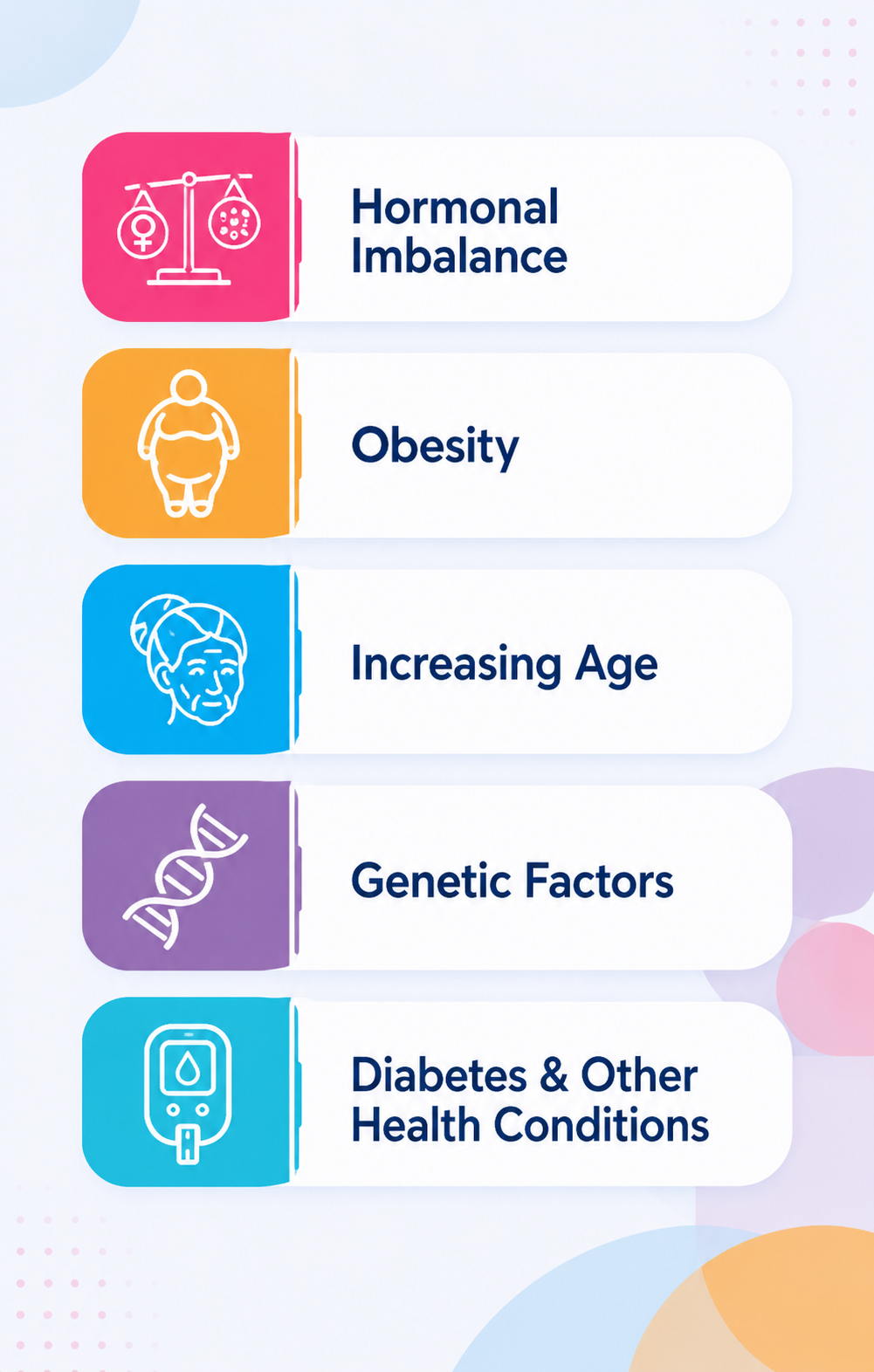
Uterine cancer develops when cells in the uterus grow and multiply abnormally. While the exact cause is not always clear, certain hormonal, genetic, and lifestyle-related factors can increase the risk.
- Hormonal Imbalance: Higher levels of estrogen relative to progesterone can increase the risk of abnormal cell growth in the uterine lining.
- Obesity: Excess body fat can increase estrogen levels, which may contribute to the development of uterine cancer.
- Increasing Age: The risk of uterine cancer increases with age and is more common after menopause.
- Genetic Factors: Certain inherited conditions, such as Lynch syndrome, can increase the risk of developing uterine cancer.
- Diabetes and Other Health Conditions: Conditions such as diabetes and metabolic disorders may be associated with a higher risk of uterine cancer.
What Causes Uterine Cancer?
Uterine cancer develops when cells in the uterus undergo abnormal changes and begin growing uncontrollably. While the exact cause is not always known, certain factors can increase the risk of developing the condition.
Hormonal Imbalance
Higher levels of estrogen compared to progesterone can stimulate the growth of the uterine lining. Over time, this may increase the risk of abnormal cell changes that can lead to uterine cancer.
Obesity
Excess body fat can contribute to higher estrogen levels in the body. This increased estrogen exposure may raise the risk of developing uterine cancer.
Increasing Age
Uterine cancer is more commonly diagnosed in older women, particularly after menopause. Age-related changes in the body and prolonged hormonal exposure can contribute to the risk.
Genetic Factors
Certain inherited conditions, such as Lynch syndrome, can increase the likelihood of developing uterine cancer. A family history of uterine or related cancers may also be relevant in some cases.
Certain Health Conditions:
Conditions such as diabetes and polycystic ovary syndrome (PCOS) may be associated with an increased risk. These conditions can sometimes affect hormone levels or contribute to other factors linked to uterine cancer.
What Are the Stages of Uterine Cancer?
Uterine cancer is staged based on how far it has grown and whether it has spread beyond the uterus. Understanding the stage helps doctors determine the extent of the cancer and plan the most appropriate treatment.
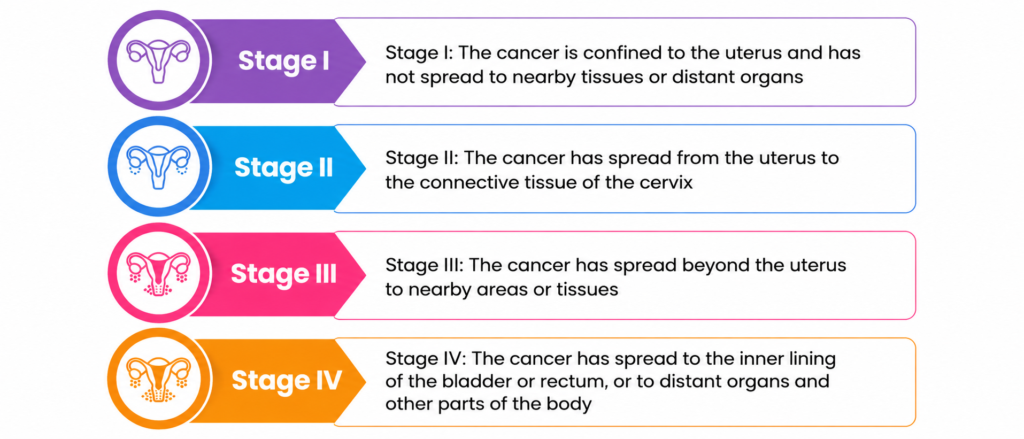
- Stage I: The cancer is confined to the uterus and has not spread to nearby tissues or distant organs. It may be limited to the inner lining of the uterus or have grown into the uterine muscle. This is generally considered an early stage of uterine cancer.
- Stage II: The cancer has spread from the uterus to the connective tissue of the cervix. However, it has not spread beyond the uterus to distant organs or other areas. Treatment may depend on the extent and characteristics of the cancer.
- Stage III: The cancer has spread beyond the uterus to nearby areas or tissues. This may include the ovaries, fallopian tubes, vagina, pelvic tissues, or nearby lymph nodes. Treatment often involves a combination of different approaches based on the extent of the spread.
- Stage IV: The cancer has spread to the inner lining of the bladder or rectum, or to distant organs and other parts of the body. The extent of the spread can vary from person to person. Treatment is planned based on the cancer’s characteristics, previous treatments, and the patient’s overall condition.
What Options Are Available Under Uterine Cancer Treatment?
| Treatment Option | How It May Help |
| Surgery | Surgery is commonly used to remove the uterus and may also involve the removal of the ovaries, fallopian tubes, or nearby lymph nodes when required. |
| Radiation Therapy | High-energy radiation is used to target and destroy cancer cells and may be recommended before or after surgery or in certain advanced cases. |
| Chemotherapy | Anti-cancer drugs are used to destroy or slow the growth of cancer cells and may be used when the cancer has spread or has a higher risk of recurrence. |
| Hormone Therapy | Hormone-based medicines may be used for certain uterine cancers that are influenced by hormones, particularly in selected advanced or recurrent cases. |
| Targeted Therapy | Targeted drugs act on specific proteins or pathways involved in cancer growth and may be considered based on the characteristics of the tumour. |
| Immunotherapy | Immunotherapy helps the body’s immune system recognise and attack cancer cells and may be an option for certain advanced or recurrent uterine cancers. |
| Combination Treatment | A combination of treatments, such as surgery followed by chemotherapy or radiation therapy, may be recommended depending on the stage and individual characteristics of the cancer. |
Why Choose Healius For Uterine Cancer Treatment in Bangalore?
Choosing the right cancer care team is an important part of the treatment journey. At Healius, uterine cancer treatment is planned based on the individual diagnosis, with a focus on appropriate treatment, coordinated care, and support throughout the journey.
Multidisciplinary Cancer Care
- Uterine cancer treatment may require the involvement of specialists across different areas of oncology.
- Medical, surgical, and radiation oncology expertise can come together to evaluate the available treatment options.
- This coordinated approach helps create a more comprehensive treatment plan.
Personalised Treatment Planning
- Every case is assessed based on the type, stage, and characteristics of the uterine cancer.
- The patient’s overall health and individual treatment requirements are also considered.
- This helps doctors recommend the most appropriate treatment approach for each patient.
Comprehensive Treatment Options
- Esophageal cancer may require inputs from medical, surgical, and radiation oncology specialists.
- Different specialists can work together when a combination of treatments is needed.
- This coordinated approach helps address different aspects of the patient’s cancer care.
Experienced Oncology Specialists
- Patients receive care from specialists with expertise in different areas of cancer treatment.
- Each stage of the treatment journey is carefully evaluated before making treatment decisions.
- The team works together to support appropriate and timely cancer care.
Support Throughout the Treatment Journey
- Care extends from diagnosis and treatment planning to treatment, recovery, and follow-up.
- Patients are guided through the different stages of their uterine cancer treatment journey.
- Ongoing monitoring helps address concerns and manage care after treatment.
What is the Cost of Uterine Cancer Treatment?
The cost of uterine cancer treatment can vary depending on the individual diagnosis and the treatment approach recommended. Since every patient may require a different combination of treatments, the overall cost is usually determined after a detailed evaluation.
Factors That Can Affect the Cost of Uterine Cancer Treatment
- Type & Stage of Cancer: The type of uterine cancer and how far it has progressed can influence the complexity, duration, and overall cost of treatment.
- Treatment Approach: The cost may vary depending on whether treatment involves surgery, chemotherapy, radiation therapy, hormone therapy, targeted therapy, immunotherapy, or a combination of these options.
- Type of Surgery Required: The complexity of the surgical procedure, including whether additional organs or lymph nodes need to be addressed, can affect the treatment cost.
- Duration and Number of Treatment Sessions: The number of chemotherapy cycles, radiation sessions, or other treatment requirements can influence the overall expense.
- Diagnostic and Imaging Tests: Tests such as biopsies, blood tests, scans, and other investigations required for diagnosis, staging, and treatment monitoring can add to the overall cost.
- Hospitalisation and Supportive Care: The length of hospital stay, medications, management of side effects, and other supportive care requirements may also affect the total cost.
Frequently Asked Questions
What is the difference between uterine cancer and cervical cancer?
Uterine cancer and cervical cancer are two different types of gynecological cancer. Uterine cancer begins in the uterus, most commonly in its inner lining, while cervical cancer begins in the cervix, the lower part of the uterus that connects to the vagina. Their causes, diagnosis, and treatment approaches can differ depending on the type and stage of the cancer.
Can cervical cancer be cured?
Cervical cancer can often be treated successfully, especially when it is diagnosed at an early stage. The treatment approach may involve surgery, radiation therapy, chemotherapy, targeted therapy, immunotherapy, or a combination of treatments, depending on the stage and characteristics of the cancer.
Is surgery always required for uterine cancer?
Surgery is a common treatment for uterine cancer, particularly in early-stage cases, but it may not be suitable or necessary for every patient. Depending on the type, stage, and extent of the cancer, treatment may also involve radiation therapy, chemotherapy, hormone therapy, targeted therapy, immunotherapy, or a combination of these approaches.
Can uterine cancer treatment affect fertility?
Yes, certain uterine cancer treatments can affect fertility. Treatments such as hysterectomy involve removing the uterus, making pregnancy no longer possible, while other treatments may also affect the ovaries or reproductive function. In selected cases, fertility-preserving treatment options may be considered, depending on the type and stage of the cancer.
What are the side effects of uterine cancer treatment?
The side effects of uterine cancer treatment can vary depending on the treatment used. Surgery may involve pain and recovery-related effects, while chemotherapy, radiation therapy, hormone therapy, targeted therapy, and immunotherapy can each cause different side effects. The oncology team can help monitor and manage these effects throughout the treatment journey.
Where can I get uterine cancer treatment in Bangalore?
If you are looking for uterine cancer treatment in Bangalore, Healius provides comprehensive cancer care with treatment planned according to the type, stage, and characteristics of the cancer. Depending on the individual diagnosis, the treatment approach may involve surgery, chemotherapy, radiation therapy, hormone therapy, targeted therapy, immunotherapy, or a combination of treatments.
What are options for cervical cancer treatment?
Cervical cancer treatment may include surgery, radiation therapy, chemotherapy, chemoradiation, targeted therapy, and immunotherapy. The most appropriate approach depends on factors such as the stage of the cancer, its characteristics, and the patient’s overall health. At Healius, treatment is planned based on the individual diagnosis and care requirements.
