


Head & Neck Cancer Treatment in Bangalore
A persistent sore throat, a change in your voice, difficulty swallowing, or a lump in the neck may seem like something that will go away on its own. But when such symptoms continue, it is important to understand what is causing them. Head and neck cancer refers to cancers that can develop in areas such as the mouth, throat, voice box, nose, and salivary glands.
A head and neck cancer diagnosis can feel overwhelming, especially when you are unsure about what comes next. The good news is that you don’t have to figure it out alone. The right evaluation can help identify the type and location of cancer, determine its stage, and guide the next steps in care.
At Healius, Head & Neck Cancer Treatment focuses on understanding the individual condition before deciding on a treatment approach. Depending on the cancer and its stage, care may involve one treatment or a combination of different approaches.
What Is Head and Neck Cancer?
Head and neck cancer is a group of cancers that develop in different areas of the head and neck, rather than being a single type of cancer. It can affect structures involved in important functions such as speaking, swallowing, breathing, and eating.
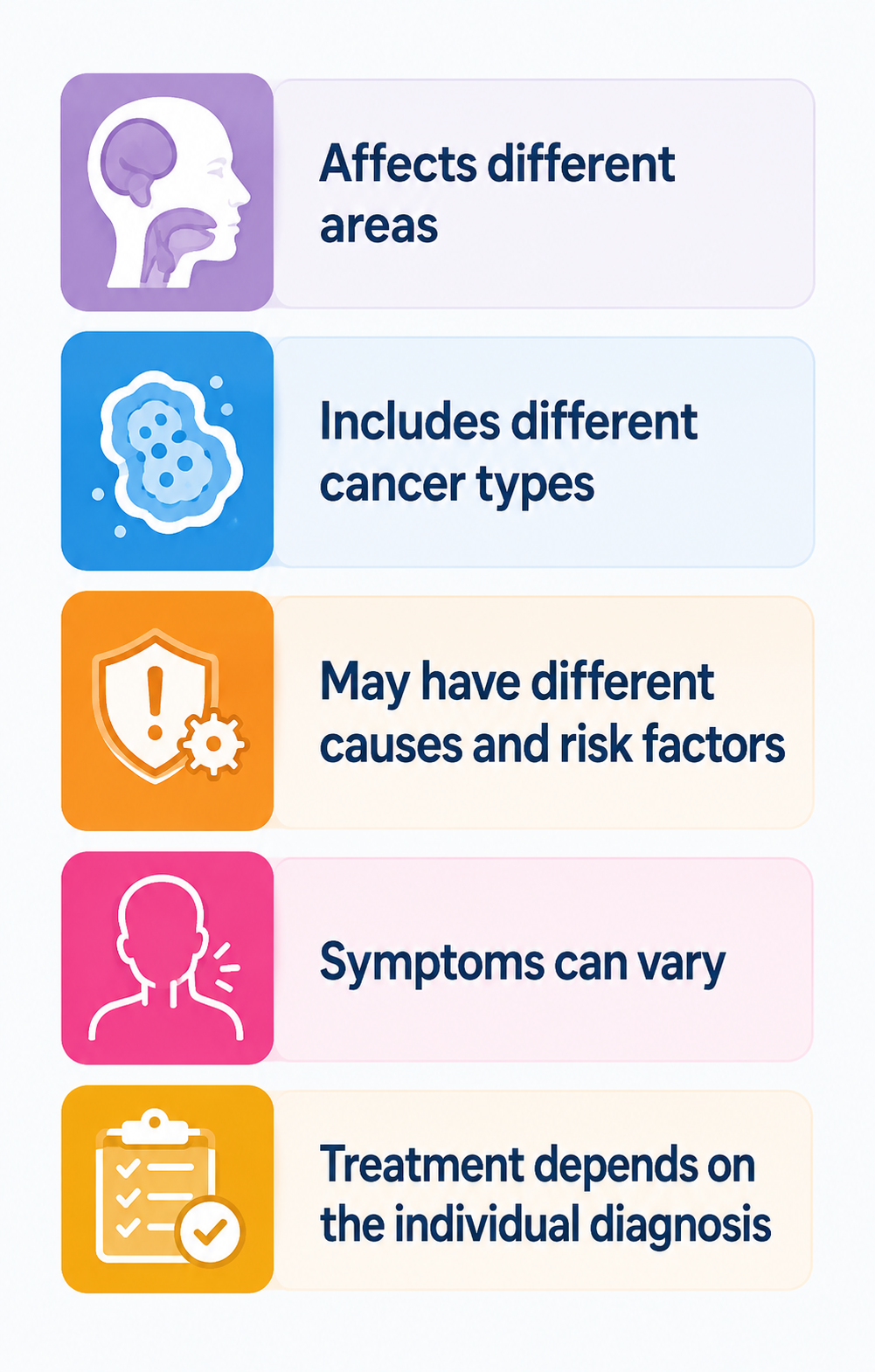
- Affects different areas: Head and neck cancers can develop in the mouth, throat, voice box, nasal cavity, sinuses, or salivary glands.
- Includes different cancer types: Oral cavity cancer, oropharyngeal cancer, laryngeal cancer, nasopharyngeal cancer, and salivary gland cancer are some of the cancers that fall under this category.
- May have different causes and risk factors: Tobacco and alcohol use, certain strains of HPV, areca nut use, and other factors can increase the risk of developing certain head and neck cancers.
- Symptoms can vary: Depending on where the cancer develops, a person may experience persistent throat discomfort, difficulty swallowing, voice changes, a non-healing mouth sore, or a lump in the neck.
- Treatment depends on the individual diagnosis: The location and type of cancer, its stage, overall health, and other factors help specialists determine the most appropriate treatment approach.
What Are The Causes Of Head and Neck Cancer?
Head and neck cancer can develop due to a combination of risk factors rather than one single cause. Some factors can increase the likelihood of developing these cancers, while others may vary depending on the specific site and type of cancer.
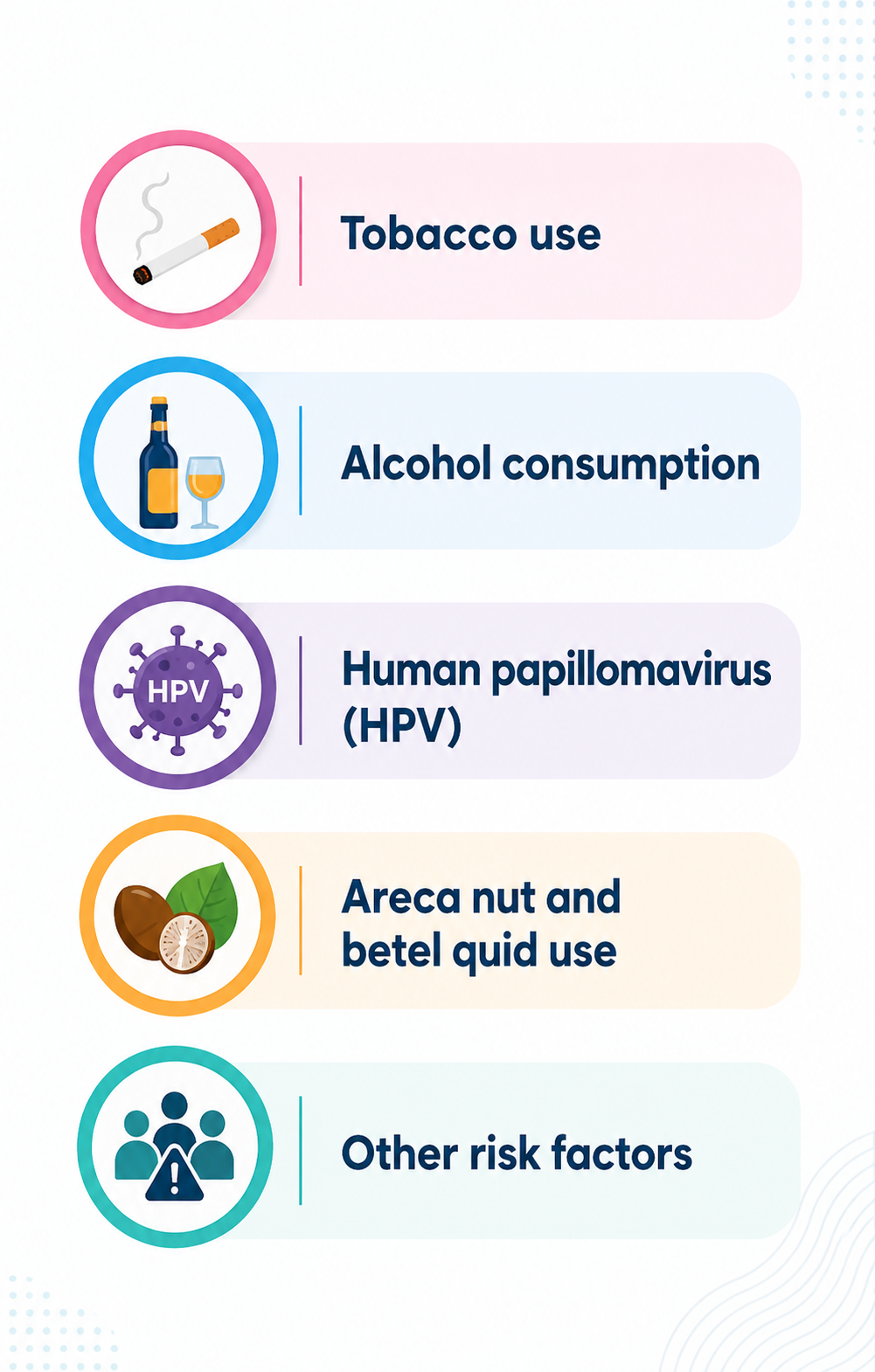
- Tobacco use: Smoking cigarettes, using smokeless tobacco, and other forms of tobacco can significantly increase the risk of several head and neck cancers, particularly those affecting the mouth, throat, and voice box.
- Alcohol consumption: Regular or heavy alcohol consumption is associated with a higher risk of head and neck cancer. The risk can be considerably higher when alcohol use is combined with tobacco.
- Human papillomavirus (HPV): Certain types of HPV, particularly HPV-16, are linked to some cancers of the oropharynx, including cancers affecting the tonsils and base of the tongue.
- Areca nut and betel quid use: Regular use of areca nut, including products such as betel quid, can increase the risk of cancers of the mouth and other areas of the head and neck.
- Other risk factors: Exposure to certain workplace substances, previous radiation exposure, poor oral health, and some underlying health or lifestyle factors may also contribute to the risk of developing head and neck cancer.
What Are the Different Types of Head and Neck Cancer?
Head and neck cancer is an umbrella term for cancers that can develop in different areas of the head and neck. The type of cancer is generally identified based on where it begins, and each type may require a different approach to diagnosis and treatment.
Oral Cavity Cancer
- Develops in areas such as the lips, tongue, gums, inner cheeks, floor of the mouth, and roof of the mouth.
- It may present as a persistent mouth ulcer, unexplained bleeding, pain, or a lump in the mouth.
Oropharyngeal Cancer
- Develops in the oropharynx, which includes the tonsils, base of the tongue, soft palate, and back of the throat.
- Some cases are associated with infection by certain types of human papillomavirus (HPV).
Laryngeal Cancer
- Begins in the larynx, commonly known as the voice box.
- Persistent hoarseness, voice changes, difficulty swallowing, or breathing problems may occur depending on the location of the cancer.
Nasopharyngeal Cancer
- Develops in the upper part of the throat behind the nose, known as the nasopharynx.
- Symptoms can include nasal blockage, hearing problems, recurrent nosebleeds, or a lump in the neck.
Salivary Gland Cancer
- Develops in one of the salivary glands that produce saliva in the mouth and throat.
- A lump or swelling around the jaw, cheek, or neck may be one of the signs.
Nasal Cavity and Paranasal Sinus Cancer
- Begins in the nasal cavity or the spaces surrounding the nose called the paranasal sinuses.
- Persistent nasal blockage, nosebleeds, facial pressure, or changes in smell may occur.
Why Choose Healius For Head and Neck Cancer Treatment?
Why Choose Healius? | What It Means for You |
Experienced Cancer Specialists | Access to specialists who can evaluate different types of head and neck cancers and help determine an appropriate treatment approach based on the individual diagnosis. |
Multidisciplinary Cancer Care | Head and neck cancer may require inputs from multiple specialists. Coordinated care helps different areas of expertise come together while planning and managing treatment. |
Personalised Treatment Planning | Treatment is planned based on factors such as the type, location and stage of cancer, along with the patient’s overall health and individual needs. |
Comprehensive Cancer Care | Patients can receive support across different stages of their cancer journey, from evaluation and diagnosis to treatment and follow-up care. |
Advanced Treatment Approaches | Depending on the diagnosis and treatment plan, patients may have access to different cancer treatment modalities under specialist guidance. |
Focus on Patient Support | Cancer treatment can be physically and emotionally challenging. Clear communication, guidance and supportive care can help patients and families navigate the process with greater confidence. |
Care in Bangalore | Patients seeking head and neck cancer treatment in Bangalore can access specialist-led cancer care without having to navigate their treatment journey alone. |
How Is Head and Neck Cancer Diagnosed?
1. Medical History and Physical Examination
- The doctor will ask about symptoms, how long they have been present, and any relevant medical history.
- They may examine the mouth, throat, nose, neck, and other areas for unusual changes.
- The neck may be checked for lumps or swollen lymph nodes.
- Tobacco, alcohol, HPV-related risk factors, and previous health conditions may also be discussed.
2. Endoscopy
- A thin, flexible or rigid instrument may be used to examine areas that are difficult to see during a routine examination.
- It can help the doctor closely examine the nose, throat, larynx, or other affected areas.
- In some cases, a special scope may be used to examine the upper digestive or respiratory tract.
- Any suspicious areas identified during the examination may require further testing.
3. Imaging Tests
- Imaging helps doctors understand the size and location of a suspected tumour.
- CT or MRI scans may be used to examine the head and neck in greater detail.
- PET scans may be recommended in certain situations to assess whether cancer has spread.
- Imaging findings also help doctors plan further investigations and treatment.
4. Biopsy
- A biopsy involves removing a small sample of tissue from the suspicious area for laboratory examination.
- It is one of the key tests used to confirm whether cancer cells are present.
- Different biopsy techniques may be used depending on where the suspected cancer is located.
- The tissue sample can also help identify the specific type and characteristics of the cancer.
5. Laboratory and Biomarker Testing
- The biopsy sample may undergo additional testing to identify specific characteristics of the cancer.
- HPV testing may be recommended for certain cancers, particularly those involving the oropharynx.
- Other biomarker or molecular tests may be considered when they can help guide treatment decisions.
- These results can provide doctors with additional information about the cancer.
6. Cancer Staging
- Once cancer is confirmed, doctors determine how advanced it is and whether it has spread.
- The size and location of the primary tumour and involvement of nearby lymph nodes are assessed.
- Additional imaging or investigations may be recommended depending on the cancer type.
- Staging helps the cancer care team determine the most appropriate treatment approach for the individual patient.
Frequently Asked Questions
What are the common symptoms of head and neck cancer?
Symptoms can vary depending on where the cancer develops. Persistent mouth sores, difficulty swallowing, voice changes, a lump in the neck, persistent throat discomfort, unexplained bleeding, or nasal problems may require medical evaluation.
Can head and neck cancer be treated without surgery?
In some cases, surgery may not be required. Depending on the type and stage of cancer, radiation therapy, chemotherapy, targeted therapy, immunotherapy, or combinations of these treatments may be considered.
When should I consult a head and neck cancer specialist?
You should consider consulting a specialist if you have persistent or unexplained symptoms such as a mouth sore that does not heal, difficulty swallowing, persistent hoarseness, a neck lump, or other concerning changes.
What is the head and neck cancer treatment cost in Bangalore?
The head and neck cancer treatment cost in Bangalore can vary significantly between patients. Factors such as the type and stage of cancer, diagnostic tests, treatment modality, surgery requirements, number of treatment sessions, hospitalisation, medications, and follow-up care can influence the overall cost.
Where can I get head and neck cancer treatment?
Patients looking for head and neck cancer treatment can consult a specialised cancer care team for diagnosis, treatment planning, and follow-up. Healius provides specialist-led cancer care with an approach tailored to each patient’s condition and treatment needs.
How can I reduce my risk of head and neck cancer?
Avoiding tobacco and limiting alcohol can help reduce risk. Avoiding areca nut products, maintaining good oral health, and discussing HPV vaccination with an appropriate healthcare professional may also be beneficial.
