
What is Testicular Cancer?
Testicular cancer occurs when abnormal cells develop and grow uncontrollably within one or both testicles. The testicles are part of the male reproductive system and are located inside the scrotum. They have two important functions: producing sperm for reproduction and producing hormones, particularly testosterone.
The majority of testicular cancers originate in germ cells, the specialised cells involved in sperm production. Depending on the type of cells affected, testicular cancer can have different characteristics and may develop or progress in different ways.
Compared with several other forms of cancer, testicular cancer is relatively uncommon. However, it is particularly important to be aware of because it tends to affect younger men more frequently than many other cancers. A change or abnormality in a testicle does not always indicate cancer, but any persistent or unusual change should be medically evaluated.
Testicular cancer treatment options have improved significantly with advances in cancer care. The approach to managing the condition depends on several factors, including the type of cancer and how far it has progressed. A proper medical evaluation helps specialists understand the condition and determine the most appropriate course of care for each individual.
What Are The Types of Testicular Cancer?
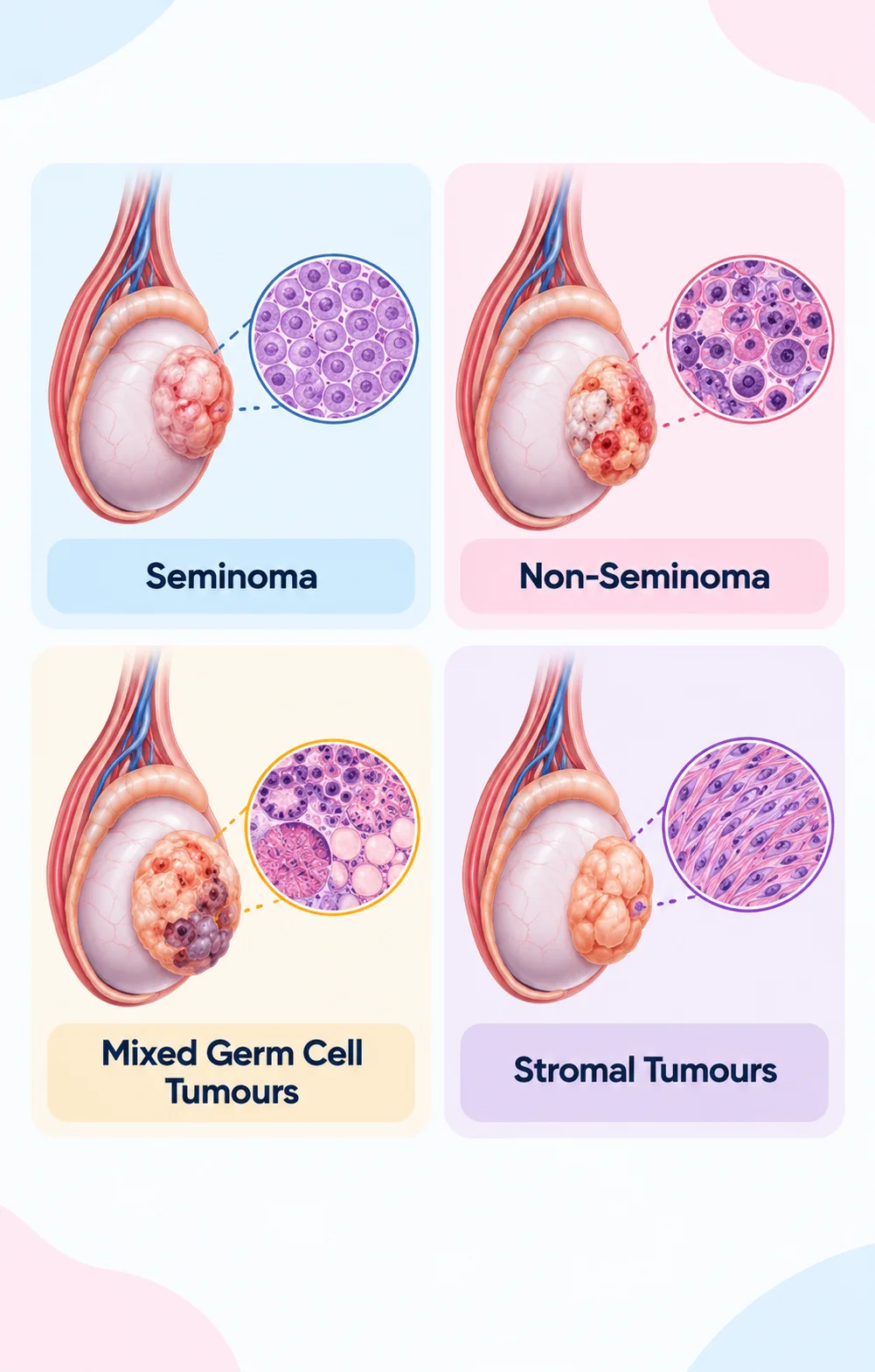
Testicular cancer is broadly classified based on the type of cells from which the cancer develops. Most testicular cancers are germ cell tumours, while a smaller number develop from other cells within the testicle. The main types include:
- Seminoma: Seminomas develop from germ cells and are one of the most common types of testicular cancer. They tend to grow more slowly and are generally highly responsive to treatment.
- Non-Seminoma: Non-seminomas are a group of germ cell tumours that can grow and spread more quickly than seminomas. They include several subtypes, such as embryonal carcinoma, yolk sac tumour, choriocarcinoma and teratoma.
- Mixed Germ Cell Tumours: These tumours contain more than one type of germ cell cancer. Their treatment depends on the specific components present and other characteristics of the cancer.
- Stromal Tumours: These are less common and develop from the supportive or hormone-producing cells of the testicle. The two main types are Leydig cell tumours and Sertoli cell tumours. Most are benign, although some can be cancerous.
What Causes Testicular Cancer?
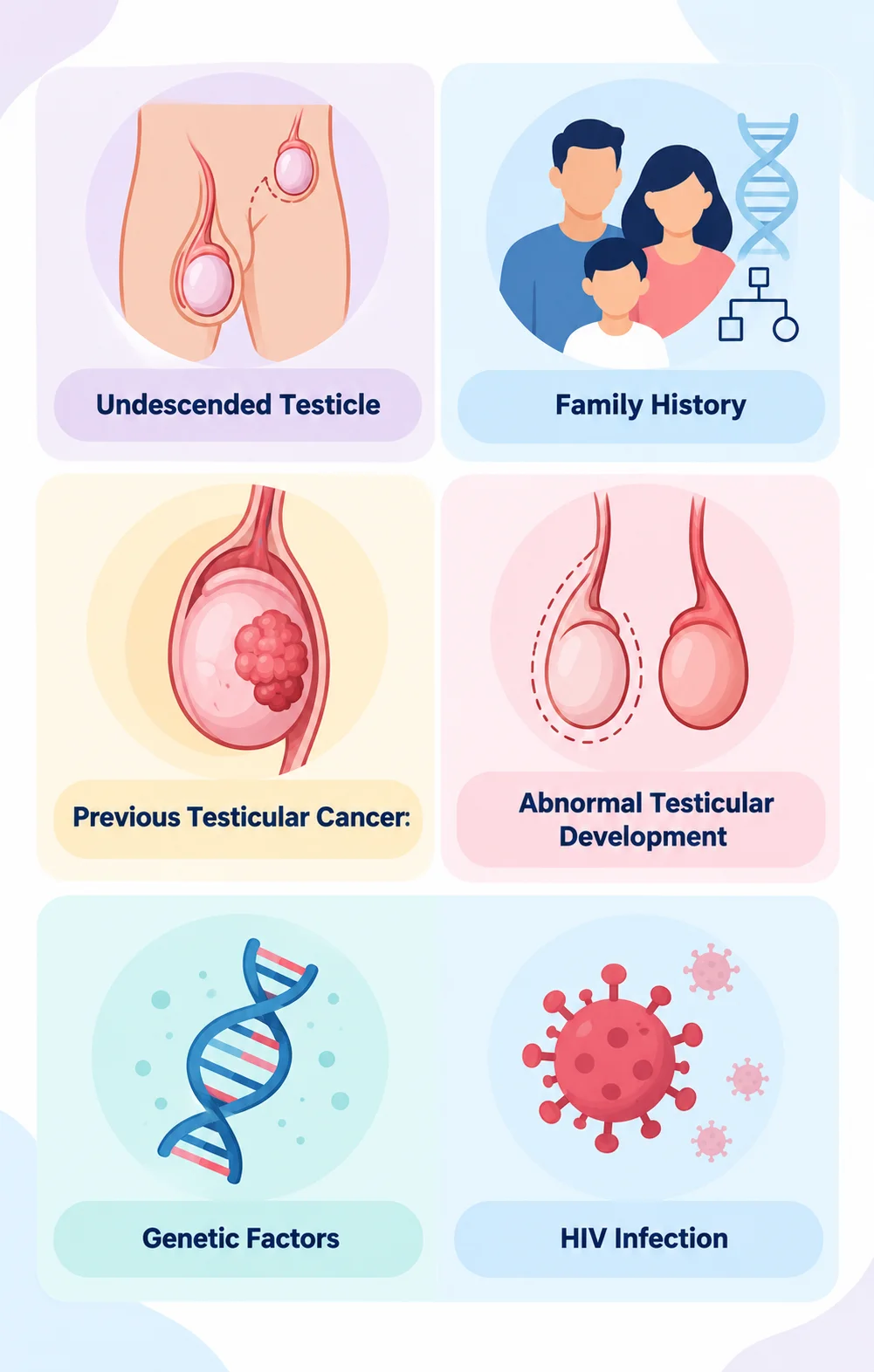
The exact cause of testicular cancer is not always known. However, certain factors can increase the likelihood of developing the condition. Having one or more risk factors does not necessarily mean that a person will develop testicular cancer.
- Undescended Testicle: Men with a history of cryptorchidism, where one or both testicles do not descend into the scrotum, have a higher risk of testicular cancer.
- Family History: Having a close family member, such as a father or brother, who has had testicular cancer may increase the risk.
- Previous Testicular Cancer: Men who have previously developed cancer in one testicle have a higher chance of developing it in the other testicle.
- Abnormal Testicular Development: Certain conditions that affect normal testicular development may be associated with an increased risk.
- Genetic Factors: Some inherited genetic conditions can increase the likelihood of developing testicular cancer.
- HIV Infection: Certain studies have found an increased risk of testicular cancer among people with HIV, particularly some types of germ cell tumours.
What Are The Different Stages of Testicular Cancer?
Testicular cancer is staged based on the size and spread of the cancer, along with the levels of certain tumour markers in the blood. Knowing the stage helps doctors understand how advanced the cancer is and plan the most appropriate treatment.
- Stage I Testicular Cancer: In Stage I testicular cancer, the cancer is limited to the testicle and has not spread to nearby lymph nodes or distant organs. Tumour marker levels may also be used to further classify the stage and guide treatment decisions.
- Stage II Testicular Cancer: Stage II testicular cancer means the cancer has spread from the testicle to nearby lymph nodes in the abdomen. The extent of lymph node involvement and tumour marker levels help determine the specific stage within Stage II.
- Stage III Testicular Cancer: In Stage III testicular cancer, the cancer has spread beyond the nearby lymph nodes to distant parts of the body, or certain tumour marker levels are significantly elevated. The lungs and other organs may be affected depending on the extent of spread.
The exact classification of testicular cancer can be more detailed than these three broad stages, and doctors consider tumour type, lymph node involvement, distant spread and tumour marker levels when determining the final stage.
What Are The Symptoms of Testicular Cancer?
Symptom | What It May Look or Feel Like |
Lump in the testicle | A painless lump or firm area may develop within the testicle. |
Swelling or enlargement | One testicle may become larger or swollen compared with the other. |
Pain or discomfort | Some people may experience pain, tenderness or a dull ache in the testicle. |
Heaviness in the scrotum | The scrotum may feel unusually heavy or uncomfortable. |
Dull ache in the lower abdomen or groin | Discomfort may extend from the testicle towards the groin or lower abdomen. |
Sudden fluid buildup | Fluid may collect around the testicle, causing swelling in the scrotum. |
Breast enlargement or tenderness | Certain testicular tumours can affect hormone levels and may cause breast tenderness or enlargement. |
Back pain | In some cases, particularly when the cancer has spread, persistent back pain may occur. |
What Are the Options For Testicular Cancer Treatment in Bangalore?
1. Testicular Cancer Surgery
- Radical inguinal orchiectomy is the primary surgical procedure used for most suspected testicular cancers.
- The affected testicle is removed through an incision in the groin rather than through the scrotum.
- The removed tissue is examined to confirm the type and characteristics of the cancer.
- Surgery may be sufficient for some patients, particularly when the cancer is detected at an early stage.
- Retroperitoneal lymph node dissection (RPLND) may be considered when cancer has spread to certain lymph nodes.
- Your cancer specialist determines whether additional treatment is required based on the surgical findings and other test results.
2. Chemotherapy for Testicular Cancer
- Chemotherapy uses anti-cancer medicines to destroy cancer cells or prevent them from multiplying.
- It may be recommended depending on the type and stage of testicular cancer.
- It is commonly used when cancer has spread beyond the testicle or when there is a higher risk of recurrence.
- Different chemotherapy combinations may be used depending on the individual case.
- Blood tests and imaging may be used to assess how well the cancer is responding.
- Doctors monitor patients throughout treatment to manage potential side effects and adjust care when needed.
3. Radiation Therapy
- Radiation therapy uses high-energy radiation to target and destroy cancer cells.
- It is mainly considered for certain patients with seminoma, particularly in selected early-stage cases.
- Radiation may be directed towards specific lymph node regions where cancer cells may be present.
- The treatment plan is carefully designed to limit exposure to surrounding healthy tissues.
- The number and frequency of sessions depend on the treatment plan.
- Radiation therapy may not be appropriate for every type or stage of testicular cancer.
4. Active Surveillance
- Active surveillance involves closely monitoring the patient after initial treatment rather than immediately giving additional therapy.
- It may be an option for selected patients with early-stage testicular cancer.
- Regular physical examinations, blood tests and imaging may be scheduled.
- Tumour markers can help doctors monitor for signs of recurrence in appropriate cases.
- Additional treatment can be started if there are signs that the cancer has returned or progressed.
- This approach helps some patients avoid unnecessary chemotherapy or radiation when their cancer can be safely monitored.
5. High-Dose Chemotherapy and Stem Cell Transplant
- This approach may be considered for certain patients with relapsed or treatment-resistant testicular cancer.
- High-dose chemotherapy is used to target cancer cells that have not responded adequately to previous treatment.
- Because high-dose chemotherapy can significantly affect the bone marrow, stem cell support may be required.
- The patient’s stem cells may be collected and stored before intensive treatment.
- After chemotherapy, the stored stem cells can be returned to help restore blood-cell production.
- This treatment is generally reserved for selected cases and is planned by a specialised oncology team.
Why Choose Healius For Testicular Cancer Treatment in Bangalore?
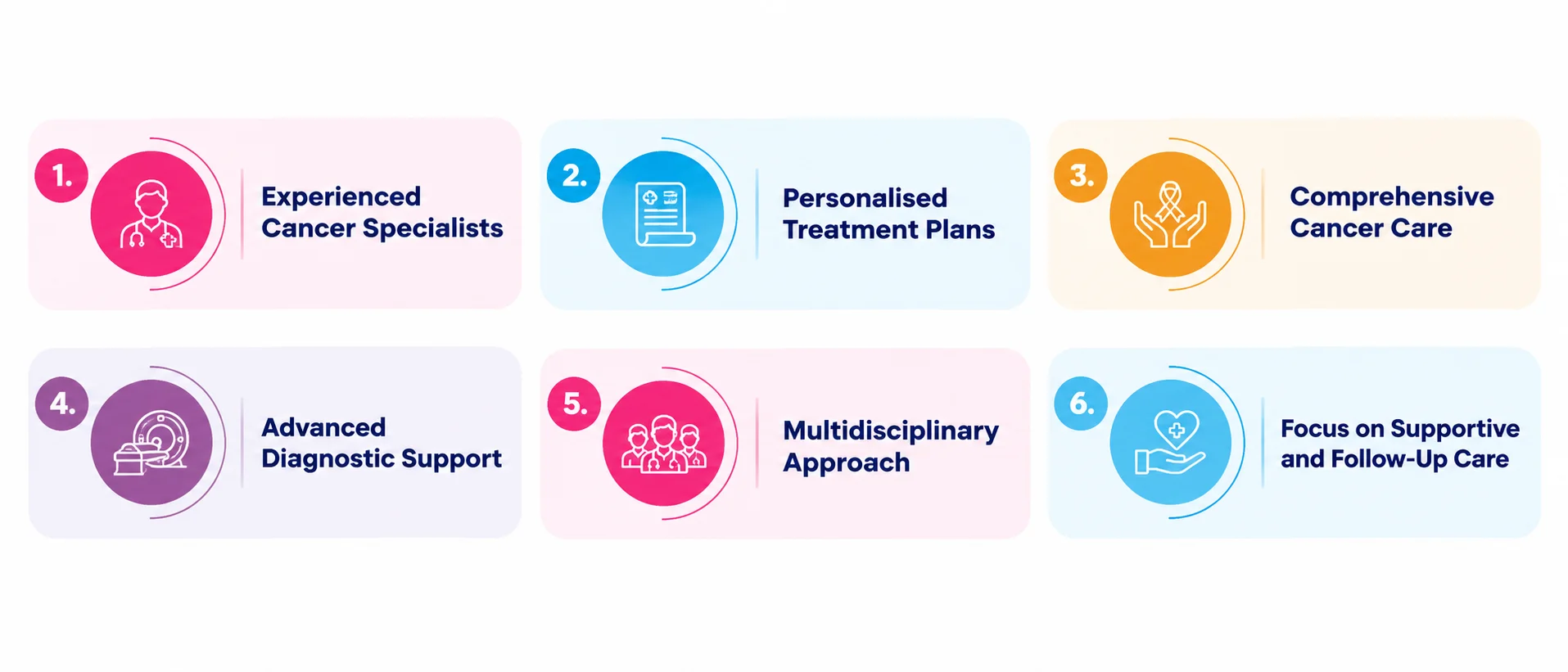
Choosing the right cancer care centre is an important part of the treatment journey. At Healius, testicular cancer care focuses on accurate diagnosis, personalised treatment planning and coordinated care throughout the patient’s treatment and recovery.
- Experienced Cancer Specialists: Healius brings together experienced cancer specialists who evaluate each patient’s condition and recommend treatment based on the type and stage of testicular cancer. The team focuses on providing personalised care at every stage of treatment.
- Personalised Treatment Plans: Every testicular cancer case can differ in its type, stage and response to treatment. Healius develops individualised treatment plans based on the patient’s diagnosis, overall health and specific treatment requirements.
- Comprehensive Cancer Care: From diagnosis and staging to surgery, chemotherapy and follow-up care, patients can access multiple aspects of cancer treatment under one care pathway. This helps ensure continuity throughout the treatment journey.
- Advanced Diagnostic Support: Accurate diagnosis and staging are important for determining the appropriate treatment approach. Healius provides access to diagnostic and imaging support to help specialists assess the cancer and monitor the patient’s response to treatment.
- Multidisciplinary Approach: Testicular cancer may require different forms of treatment depending on the stage and type of cancer. Specialists from different areas of oncology can work together to evaluate the case and develop a coordinated treatment plan.
- Focus on Supportive and Follow-Up Care: Cancer care extends beyond the primary treatment. Healius focuses on follow-up and supportive care to monitor recovery, manage treatment-related concerns and help patients stay informed throughout their cancer care journey.
FAQ
Frequently Asked Questions
Is testicular cancer curable?
Yes, testicular cancer is highly treatable, particularly when detected at an early stage. Treatment and prognosis depend on the type and stage of cancer, tumour markers, and whether it has spread to other parts of the body.
Is there testicular cancer treatment without surgery?
Yes, in selected cases, testicular cancer may be treated with chemotherapy, radiation therapy or active surveillance. However, surgery to remove the affected testicle is generally the standard initial treatment, depending on the type and stage of cancer.
What is a germ cell tumour of the testicle?
A germ cell tumour develops from the cells in the testicle that normally produce sperm. Most testicular cancers begin as germ cell tumours, which are broadly classified as seminomas and non-seminomas.
Can scrotal cancer spread to the testicles?
Scrotal cancer and testicular cancer are separate conditions, but advanced cancers can potentially involve nearby tissues. Proper examination and imaging help determine the extent of the disease.
How is testicular cancer diagnosed?
Diagnosis may involve a physical examination, testicular ultrasound, blood tests for tumour markers and imaging scans when required. If cancer is suspected, the affected testicle is typically removed through an inguinal approach, and the tissue is examined to confirm the diagnosis.
Where can I get testicular cancer treatment in Bangalore?
Testicular cancer treatment is available at specialised cancer centres in Bangalore, where patients can undergo diagnosis, staging and treatment planning. Healius Cancer & Hematology Clinics provides comprehensive cancer care, including surgical and medical oncology services.
Is penis cancer treatment possible without surgery?
Yes, some cases of penis cancer may be treated without surgery, depending on the cancer’s stage, size, location, and type. Treatment options may include radiation therapy, chemotherapy, or topical medicines in selected early-stage cases. A cancer specialist can recommend the most suitable approach after a detailed evaluation.
