

What Causes Cancer in Young Adults?
What Causes Cancer in Young Adults? Cancer is often associated with older age, which is why hearing about a cancer diagnosis in someone in their twenties or thirties can come as a shock. At an age when most people are focused on building careers, starting families, travelling, or making long-term plans, cancer may be the last thing they expect to deal with. This can leave young adults and their families with several questions, the most common being: How did this happen? Was there something that caused it? Could it have been prevented? So, what causes cancer in young adults? There is no single answer. Cancer develops when changes in the DNA of cells affect the way they grow, divide, and repair themselves. These changes can happen for several reasons, including inherited genetic conditions, certain infections, tobacco use, alcohol consumption, exposure to radiation, environmental factors, and lifestyle-related influences. In many cases, however, doctors cannot identify one specific cause. Understanding the possible causes is useful, but recognising unusual changes in the body is equally important. A persistent lump, unexplained weight loss, unusual bleeding, or ongoing fatigue should not be ignored simply because someone is young. In this blog, we will look at the possible causes of cancer in young adults, the risk factors to know about, common warning signs, and when to seek medical attention. We will also discuss how timely diagnosis and appropriate Cancer Treatment in Bangalore can help patients understand their options and take the next steps in their care. What Increases the Risk of Cancer at a Young Age? Cancer develops when cells acquire changes that allow them to grow and divide abnormally. Normally, the body has systems that regulate cell growth, repair damaged DNA, and remove cells that are no longer functioning properly. When these systems are affected, abnormal cells may continue multiplying and, in some cases, form a tumour or spread to other parts of the body. When people ask what causes cancer in young adults, it is important to look at both genetic and external influences. Some factors increase the likelihood of developing cancer, but having a risk factor does not mean that a person will definitely develop the disease. Here are some of the factors that may contribute to cancer in younger people. Genetic changes and inherited conditions Every cell in the body contains DNA, which carries instructions for how cells function. Certain changes in DNA can affect the genes responsible for controlling cell growth and repair. Some genetic changes develop during a person’s lifetime, while others are inherited from a parent. Inherited changes can increase the risk of developing particular cancers at a younger age. For example, inherited changes in the BRCA1 and BRCA2 genes can increase the risk of breast and ovarian cancer. Certain inherited conditions, such as Lynch syndrome and familial adenomatous polyposis, can also increase the risk of colorectal and other cancers. However, not every young adult diagnosed with cancer has an inherited genetic condition. Genetic counselling and testing may be recommended when there is a strong family history, an unusually young age at diagnosis, or a pattern of certain cancers within the family. Exposure to tobacco and alcohol Tobacco use is one of the established preventable risk factors for cancer. Cigarettes, bidis, chewing tobacco, and other tobacco products contain harmful substances that can damage DNA and affect normal cell function. Tobacco is associated with several cancers, including those of the mouth, throat, lungs, oesophagus, and bladder. The risk generally increases with the amount and duration of exposure, but there is no completely safe level of tobacco use. Alcohol consumption is also linked to certain cancers, including cancers of the mouth, throat, oesophagus, liver, breast, and bowel. The risk can increase with the amount consumed. Avoiding tobacco and limiting or avoiding alcohol can reduce exposure to these known cancer risks. However, it is important not to assume that every cancer diagnosis in a young person is caused by these habits. Certain viral infections Some infections can increase the risk of cancer by affecting normal cell activity over time. This is particularly relevant to certain cancers diagnosed in younger adults. Examples include: Human papillomavirus (HPV): Certain high-risk types of HPV can cause changes in cells that may eventually lead to cervical cancer and some cancers of the anus, penis, vagina, vulva, and oropharynx. Epstein-Barr virus (EBV): This common virus is associated with certain lymphomas and other cancers, although most people infected with EBV never develop cancer. Hepatitis B and C viruses: Long-term infection with these viruses can cause liver inflammation and increase the risk of liver cancer. Human immunodeficiency virus (HIV): HIV weakens the immune system and increases the risk of certain cancers, partly because the body may be less able to control cancer-associated infections. Human herpesvirus 8 (HHV-8): This virus is associated with Kaposi sarcoma, a cancer that is more likely to develop in people with weakened immune systems. Not everyone with these infections develops cancer. Vaccination against HPV and hepatitis B, appropriate testing, and timely treatment of infections can help reduce certain cancer risks. Radiation exposure Exposure to certain types of radiation can damage DNA and increase the risk of cancer. The level of risk depends on the type of radiation, the amount of exposure, and the age at which exposure occurs. Ultraviolet radiation from sunlight and tanning beds can damage skin cells and increase the risk of melanoma and other skin cancers. Repeated sunburns, particularly during childhood and adolescence, are an important risk factor. Exposure to ionising radiation, including certain medical radiation treatments, can also increase the risk of cancer. For example, some people who received radiation therapy for an earlier cancer may have a higher risk of developing another cancer later in life. This does not mean that necessary medical imaging or radiation therapy should be avoided. Doctors recommend these procedures when the expected medical benefits outweigh the risks. Patients should follow medical advice and discuss any concerns about previous radiation exposure. Lifestyle and metabolic factors Lifestyle
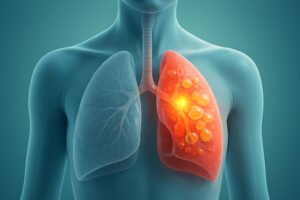
Can Non-Smokers Get Lung Cancer? Causes, Symptoms and Treatment
Can Non-Smokers Get Lung Cancer? Causes, Symptoms and Treatment Lung cancer is often associated with smoking, and for good reason. Tobacco use is one of the leading risk factors for this disease. However, there is an important fact that many people are unaware of: you do not have to smoke to develop lung cancer. People who have never smoked, those who quit years ago, and even individuals who have never been regularly exposed to tobacco smoke can be diagnosed with this condition. So, can non-smokers get lung cancer? Yes. Lung cancer can develop in people who have never smoked because several other factors can affect the cells in the lungs. These include exposure to second-hand smoke, air pollution, radon gas, certain workplace chemicals, inherited genetic factors, and changes in the DNA of lung cells. In some cases, doctors may not be able to identify one clear cause. This blog explains how lung cancer can affect non-smokers, the risk factors involved, symptoms to watch for, and the tests doctors use to confirm a diagnosis. It also covers the available treatment options and the importance of specialist care. For individuals looking for Cancer Treatment in Bangalore, understanding the condition is an important first step towards seeking the right medical support. Can Non-Smokers Get Lung Cancer? Yes, lung cancer can affect people who have never smoked. Although smoking remains a major risk factor, it is not the only reason lung cancer develops. Some people develop cancer because their lung cells undergo genetic changes that cause them to grow and divide abnormally. The term never-smoker generally refers to someone who has smoked fewer than 100 cigarettes during their lifetime. However, even people who fall into this category can develop lung cancer. Researchers have identified several environmental, genetic, and biological factors that may contribute to the disease. There are also differences in the types of lung cancer commonly found in people who have never smoked. For example, adenocarcinoma, a type of non-small cell lung cancer, is frequently diagnosed in non-smokers. It often develops in the outer areas of the lungs and may not cause noticeable symptoms during its early stages. It is important to understand that: Smoking is not the only risk factor: Lung cancer can develop due to exposure to harmful substances, genetic changes, and other factors. Non-smokers can experience the same symptoms: Persistent coughing, breathlessness, chest pain, and unexplained weight loss can occur regardless of smoking history. Some cases have no clearly identifiable cause: A person may develop lung cancer even when no obvious risk factor is present. Age does not provide complete protection: Although lung cancer is more common in older adults, younger people can also be diagnosed. Diagnosis requires medical investigations: Symptoms and risk factors alone cannot confirm whether someone has lung cancer. Therefore, the answer to the question, can non-smokers get lung cancer, is not just yes. It is also a reminder that awareness of symptoms and timely medical assessment matter for everyone, not only people with a history of smoking. What Causes Lung Cancer in Non-Smokers? Lung cancer develops when changes occur in the DNA of lung cells. These changes affect how cells grow, divide, and repair themselves. Instead of following the normal process of cell growth and death, abnormal cells may continue multiplying and eventually form a tumour. In non-smokers, these changes can be linked to several factors. However, having one or more risk factors does not mean a person will definitely develop lung cancer. Similarly, some people diagnosed with the disease may not have any known exposure or identifiable risk factor. Here are some of the factors associated with lung cancer in non-smokers. Second-Hand Smoke Exposure Not smoking does not always mean avoiding tobacco smoke. People who live or work around smokers can inhale second-hand smoke, which contains several harmful chemicals. Regular exposure to second-hand smoke can increase the risk of lung cancer, even in people who have never used tobacco themselves. Living with a smoker: People who share a home with someone who smokes may be exposed to tobacco smoke regularly, especially in poorly ventilated indoor spaces. Workplace exposure: Individuals working in environments where smoking is permitted or where tobacco smoke is present may experience repeated exposure. Long-term exposure: The risk can increase with prolonged exposure over time. Occasional exposure and long-term exposure do not carry the same level of risk. Exposure during childhood: Children living in homes where adults smoke may experience repeated exposure, although the individual cancer risk later in life cannot be predicted from this alone. Air Pollution Air pollution is another factor associated with lung cancer in people who have never smoked. Polluted air contains a mixture of gases, particles, and chemicals that can enter the respiratory system when inhaled. Fine particulate matter, particularly PM2.5, can travel deep into the lungs. Long-term exposure to outdoor air pollution is recognised as a cause of lung cancer. Sources of air pollution include: Vehicle emissions: Cars, buses, trucks, and other vehicles release pollutants that contribute to poor air quality, especially in busy urban areas. Industrial emissions: Factories and industrial facilities can release harmful gases and fine particles into the surrounding environment. Construction dust: Dust from construction sites, roadwork, and demolition can affect air quality when proper dust-control measures are not followed. Burning of waste and biomass: Smoke from burning waste, wood, crop residue, and other materials can contain harmful particles. Indoor air pollution: Poor ventilation and the use of certain fuels for cooking or heating can increase exposure to harmful substances inside homes. Living in a polluted area does not mean someone will develop lung cancer. However, long-term exposure to certain air pollutants can increase the risks. Radon Gas Exposure Radon is a naturally occurring radioactive gas produced by the breakdown of uranium in soil and rocks. It is colourless and odourless, which means people cannot identify its presence without proper testing. Radon can enter buildings through cracks in floors, walls, and foundations. When it accumulates indoors, people may inhale radioactive

How Long Does It Take to Recover After Cancer Surgery?
How Long Does It Take to Recover After Cancer Surgery? Completing cancer surgery is an important step in treatment, but what happens after the operation is just as important. Once the procedure is over, patients often have several questions. When will the pain settle? How soon can they walk comfortably? When can they return to work, eat normally, or manage everyday activities without assistance? Most importantly, how long will it take before they feel like themselves again? The recovery period after cancer surgery can vary considerably from one person to another. Someone who undergoes a small procedure may be able to resume light activities within a few weeks. However, a person who has a major operation involving the removal of an organ, nearby tissues, or lymph nodes may need several months to recover. The type of cancer, the location of the tumour, the surgical technique, and the patient’s overall health all influence the healing process. If you have been searching for how long does it take to recover after cancer surgery, understanding the different stages of healing can help you prepare for what lies ahead. Knowing what is normal, which activities to avoid, and when to contact your doctor can make the process easier to manage. For individuals seeking Cancer Treatment in Bangalore, having access to the right medical guidance is important throughout the treatment and recovery process. This blog explains the factors that affect recovery, typical timelines for different surgeries, common post-operative experiences, and practical ways to support healing after cancer surgery. How Long Does It Take to Recover After Cancer Surgery? There is no single recovery timeline that applies to every cancer patient. The time required depends largely on the type of surgery performed and how much tissue or surrounding structures are involved. As a general guide, recovery from minor procedures may take a few days to a couple of weeks. Many patients undergoing minimally invasive surgery need around two to six weeks to return to several everyday activities, although complete recovery can take longer. Major open surgeries may require six to twelve weeks or more for initial physical recovery, with strength and stamina continuing to improve over several months. The phrase how long does it take to recover after cancer surgery often leads patients to look for a fixed number of days or weeks. However, doctors usually assess recovery through several factors rather than relying on time alone. Here are some important aspects of the recovery period: Healing of the surgical wound: The incision needs time to close and the underlying tissues need to repair themselves. The healing period depends on the size and location of the wound, the surgical technique, and the patient’s health. Pain and discomfort: Some pain, swelling, or tenderness is expected after surgery. These symptoms usually improve gradually, although the duration and intensity vary depending on the procedure. Regaining physical strength: Patients may feel tired or weak after an operation because of the effects of anaesthesia, reduced activity, blood loss, and the body’s healing requirements. Regaining stamina can take several weeks or longer. Returning to everyday activities: Activities such as walking, bathing, cooking, driving, and working may need to be resumed gradually. The timeline depends on the extent of surgery and the doctor’s instructions. Adjusting to additional treatment: Some patients need chemotherapy, radiation therapy, or other treatments after surgery. These can affect energy levels and extend the overall recovery period. It is important not to compare your recovery with someone else’s. Even patients who undergo the same type of operation can heal at different rates. What Factors Affect Recovery After Cancer Surgery? Two patients may undergo similar operations but experience very different recovery periods. This is because healing depends on several medical and personal factors. Understanding these factors can help patients and caregivers set realistic expectations. Type and Location of Cancer Surgery: The type of operation is one of the biggest factors affecting recovery. A small procedure to remove a localised tumour may involve less tissue damage than an operation that requires removing an organ or nearby structures. For example, recovery after a minor breast procedure may be different from recovery after a mastectomy. Similarly, removing a small portion of the colon may involve a different healing process from a major abdominal operation. Surgical Technique Used: Cancer surgery can be performed using different approaches depending on the tumour, its location, and the patient’s condition. Open surgery: This involves making a larger incision to access the affected area. It may be necessary for complex operations or when the tumour needs to be removed along with surrounding structures. Laparoscopic surgery: This minimally invasive approach uses small incisions and specialised instruments. It may reduce wound size and help some patients recover sooner. Robotic-assisted surgery: This approach uses robotic instruments controlled by the surgeon to perform precise movements through small incisions. Its suitability depends on the type of cancer and the procedure. Endoscopic procedures: Certain cancers can be treated using instruments passed through natural openings or existing access points, avoiding some of the larger incisions associated with conventional surgery. Reconstructive surgery: Some cancer operations require reconstruction of the affected area. This can add to the recovery process because patients may need time to heal from both the cancer removal and reconstructive procedures. Minimally invasive surgery does not automatically mean a shorter recovery for everyone. The complexity of the operation and the patient’s overall condition remain important. Overall Health Before Surgery A patient’s health before surgery can influence how well the body responds to the operation. People with good nutritional status, adequate physical strength, and well-managed medical conditions may be better prepared for recovery. However, cancer itself can affect the body’s strength and energy levels. Conditions such as diabetes, heart disease, kidney disease, and respiratory problems may require additional monitoring during recovery. They do not necessarily prevent surgery, but they can influence wound healing and the time needed to regain strength. Age and Physical Fitness: Age can influence recovery, but it is not the only
How Many Rounds of Chemotherapy Are Usually Needed?
How Many Rounds of Chemotherapy Are Usually Needed? When someone hears the word chemotherapy, one of the first questions that often comes to mind is, “How long will the treatment last?” It is a reasonable question. Cancer treatment can affect almost every part of daily life, from work and family responsibilities to energy levels, appetite, hair, and skin. Knowing what lies ahead can make the entire process feel a little less uncertain. So, how many rounds of chemotherapy are usually needed? The answer depends on several factors, including the type of cancer, its stage, the medicines being used, how well the cancer responds to treatment, and how well the patient’s body tolerates it. Some people may need only a few cycles, while others may undergo treatment over several months. In certain situations, chemotherapy is also given alongside surgery, radiation therapy, targeted therapy, or immunotherapy. It is important to understand that chemotherapy is not usually given as one continuous treatment without breaks. Instead, it is commonly organised into cycles. A cycle includes the days when chemotherapy medicines are administered and the recovery period before the next cycle begins. These breaks allow the body time to recover from some of the effects of treatment. At Healius, patients exploring Chemotherapy Treatment in Bangalore can enquire about oncology services and discuss their diagnosis, treatment schedule, expected side effects, and recovery needs with the appropriate specialists. Understanding the treatment plan from the beginning can help patients prepare for the practical and emotional aspects of care. In this blog, we will explain how chemotherapy cycles work, what determines the number of rounds required, how long treatment may take, and what patients can do to look after themselves throughout the process. What Is a Round of Chemotherapy? Before discussing the number of rounds required, it helps to understand what doctors mean when they talk about chemotherapy cycles. The terms round, cycle, and session are sometimes used interchangeably in everyday conversations, but they do not always mean the same thing. Understanding the difference between a cycle and a session Chemotherapy session: This refers to an individual treatment appointment during which chemotherapy medicines are administered. Depending on the treatment plan, a session may last from a short period to several hours. Chemotherapy cycle: A cycle includes the planned treatment days and the recovery period that follows. For example, a patient might receive chemotherapy on the first day and then have a few weeks before the next cycle begins. Number of rounds: When people ask how many rounds they will need, they are generally asking how many treatment cycles their oncologist plans to administer. Recovery period: The time between cycles gives the body an opportunity to recover. Doctors may use this period to monitor blood counts, assess side effects, and decide whether the next cycle can proceed as scheduled. Treatment course: This refers to the overall planned period of chemotherapy, which may include several cycles. The full course may last weeks or months, depending on the cancer and the treatment protocol. How Many Rounds of Chemotherapy Are Usually Needed? There is no single number of chemotherapy rounds that applies to every patient. Some treatment plans involve four cycles, while others may involve six, eight, or more. Certain cancers require a different schedule altogether, including maintenance treatment that continues for a longer period. When patients ask how many rounds of chemotherapy are usually needed, oncologists consider the purpose of treatment rather than relying on a fixed number. Chemotherapy may be given to cure cancer, reduce the risk of it returning, shrink a tumour before surgery, or control cancer that has spread. The following factors help explain why treatment schedules differ. The type of cancer Different cancers respond to different medicines. Some cancers may be treated with a relatively short course of chemotherapy, while others require multiple cycles or a combination of medicines. The stage of cancer The stage describes how far the cancer has grown or spread. However, a higher stage does not automatically mean that a person will need more chemotherapy cycles. The purpose of chemotherapy The goal of treatment plays an important role in determining its duration. Curative treatment: Chemotherapy may be part of a treatment plan intended to eliminate the cancer. Adjuvant treatment: Chemotherapy is given after surgery or another primary treatment to help reduce the risk of cancer returning. Neoadjuvant treatment: Chemotherapy is administered before surgery or another treatment to shrink the tumour or make further treatment more effective. Disease control: Chemotherapy may help slow cancer growth and manage the disease when a cure is not possible. Symptom relief: In some situations, treatment may help reduce symptoms caused by cancer and improve quality of life. The medicines being used Not every chemotherapy medicine works in the same way. Some are given intravenously, while others are taken orally. Certain medicines are administered on a single day, whereas others are given over several days. The combination of medicines, their doses, and the interval between treatments all influence the number and timing of cycles. How the body responds to treatment Doctors assess how well the cancer is responding and whether the patient is tolerating the medicines. Blood tests, scans, physical examinations, and symptom reviews may be used during treatment. If the cancer responds as expected, the planned course may continue. If significant side effects occur, the oncologist may recommend a delay, dose adjustment, or change in treatment. These decisions are made according to the patient’s clinical needs. Typical Chemotherapy Cycles for Different Cancers The number of rounds varies considerably by diagnosis and treatment plan. The table below provides general examples to help explain how chemotherapy schedules may differ. These are not fixed recommendations for individual patients. Cancer Type or Treatment Situation Typical Chemotherapy Schedule Breast cancer Some treatment regimens involve around 4 to 8 cycles, depending on the cancer subtype, stage, medicines, and whether surgery or other treatments are planned. Colorectal cancer Some treatment plans involve around 3 to 6 months of
